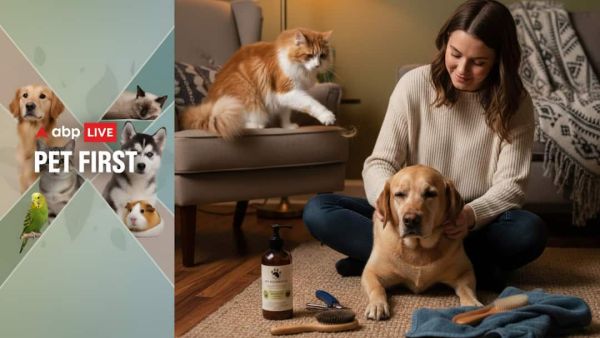
Keeping your pet well-groomed doesn’t have to mean expensive salon visits every month. With rising grooming costs, many pet parents are looking for smarter, more affordable ways to maintain hygiene at home. Regular grooming isn’t just about appearance; it supports skin health, prevents infections, reduces shedding, and strengthens the bond between you and your pet.
Here are seven practical, affordable grooming tips that genuinely work and are trusted by experienced pet owners.
ABP Live Pet First | Larry The Cat Marks 15 Years As Downing Street’s Unshakeable Chief Mouser
1. Invest Once In Basic Grooming Tools
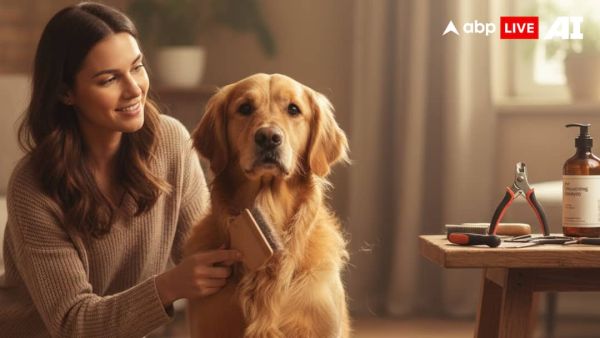
Instead of booking frequent grooming appointments, start by purchasing essential tools that last. A good-quality brush suited to your pet’s coat type, nail clippers, a mild pet shampoo, and grooming wipes can significantly cut long-term expenses. Choosing the right brush is crucial. For short-haired pets, a rubber curry brush helps remove loose fur and stimulate the skin. Long-haired breeds benefit from slicker brushes or wide-tooth combs that prevent matting. When you brush your pet regularly, you reduce shedding and prevent painful tangles that would otherwise require professional intervention. Quality tools may seem like an upfront investment, but they pay for themselves within a few months.
2. Create A Simple Bath Routine At Home

Frequent professional baths can quickly add up. Instead, establish a manageable bathing schedule at home. Most dogs only require a bath every three to four weeks, while indoor cats rarely need regular baths unless advised by a vet. Over-bathing can actually strip natural oils and cause skin dryness. Use lukewarm water and a pet-safe shampoo. Drying is equally important. Pat your pet dry with an absorbent towel and allow air-drying in a warm, draft-free area. For pets comfortable with noise, a low-heat dryer setting works well.
3. Trim Nails Safely And Regularly
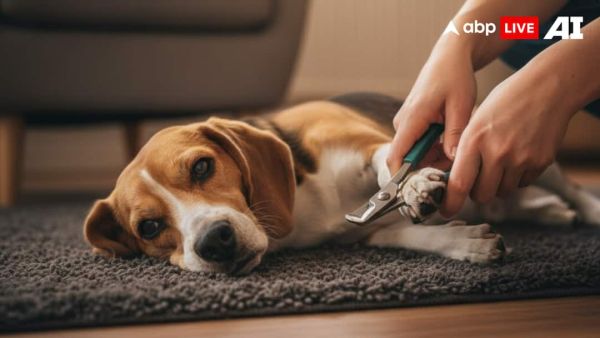
Overgrown nails can cause discomfort, posture problems, and even joint strain. Many pet parents delay trimming out of fear, but with the right technique, it’s manageable and cost-effective. Invest in a sturdy nail clipper or grinder designed for pets. Trim small amounts at a time, avoiding the “quick,” the sensitive inner portion of the nail. For pets with light-colored nails, the quick is visible as a pink section. For darker nails, trim gradually and watch for a chalky white ring before stopping. Regular trims prevent overgrowth and reduce the risk of cracking or splitting.
4. Use DIY Grooming Wipes Between Baths

Not every grooming session requires a full bath. Pet-safe grooming wipes are affordable and extremely effective for maintaining cleanliness between washes. Focus on paws, ears (outer area only), under the tail, and facial folds if your pet has them. You can also create a simple DIY wipe solution using warm water and a few drops of vet-approved pet shampoo. Dip a soft cloth, wring it out thoroughly, and gently clean targeted areas. This method helps remove dirt, allergens, and mild odors without stressing your pet. Regular wipe-downs reduce the need for frequent full baths, especially during rainy seasons when pets track mud indoors.
5. Brush Teeth Without Expensive Dental Treatments
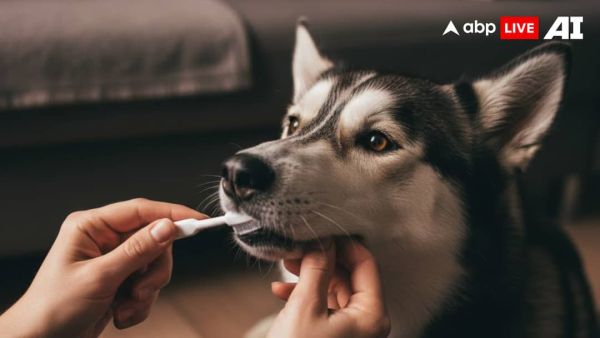
Dental care is often overlooked until problems arise and professional dental cleaning can be expensive. Introducing a simple brushing routine at home can prevent plaque buildup and bad breath. Use a pet-specific toothbrush or even a finger brush. Never use human toothpaste, instead, opt for enzymatic pet toothpaste formulated for safe swallowing. Begin slowly, allowing your pet to get used to the taste and sensation. Complement brushing with dental chews or vet-recommended toys that help scrape plaque naturally.
6. Control Shedding With Smart Diet Choices

rooming isn’t just external, it starts from within. Excessive shedding often links to poor nutrition. Feeding a balanced diet rich in omega-3 and omega-6 fatty acids supports skin health and strengthens the coat. High-quality pet food reduces dull fur and dry skin, minimizing hair fall around the house. While premium food may seem pricier, it can lower grooming and cleaning costs over time. A healthy coat requires less intervention, fewer medicated shampoos, and reduced vet visits for skin issues. Always consult your veterinarian before adding supplements, but consider fish oil or coat-support blends if recommended.
7. Schedule Preventive Checkups Instead Of Emergency Visits
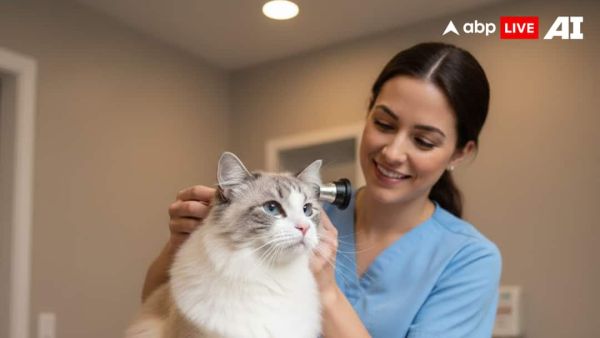
While this may not seem like a grooming tip, preventive veterinary visits play a huge role in maintaining hygiene and overall appearance. Skin infections, ear mites, and parasites can escalate quickly, and treatment costs far more than routine checkups. Regular wellness exams help detect early signs of dermatological issues. Keeping vaccinations and deworming schedules updated also supports coat and skin health. Healthy pets require less corrective grooming. Think of preventive care as a long-term financial strategy.
[Disclaimer: The information provided in this article is intended for general informational purposes only. It is not a substitute for professional veterinary advice, diagnosis, or treatment. Always consult a qualified veterinarian regarding your pet’s health, diet, or any medical concerns.]
-
What Did Serbia's President Say About India's Role in AI? Insights from Aleksandar Vucic

-
Expo hours extended amid VIP visit chaos, robodog controversy at India AI Summit

-
So what if the internet goes down? UPI payments can be made instantly, even without data. Learn this easy method.

-
8th Pay Commission: No salary increase, no allowances... These employees will not benefit from the new Pay Commission.

-
Priya Mani, Kishore's looks in Varalaxmi Sarathkumar's 'Saraswathi' revealed!