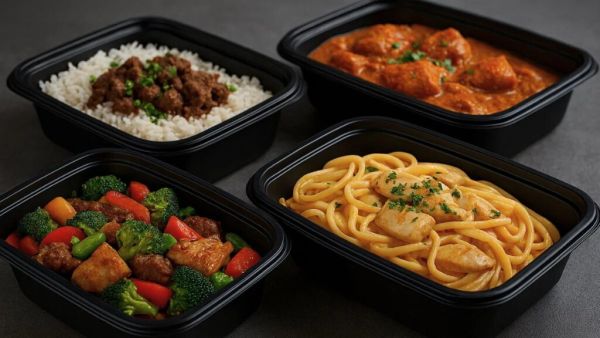
Black plastic containers are so common in food deliveries that most people barely think twice before stacking them in their kitchens. They seem convenient and harmless, the sort of thing everyone ends up reusing without question. But earlier this week, nutritionist and food writer Dr Nandita Iyer took to Her post has been attracting attention because of what she reveals about how black plastic is made and how it reacts with food. Once you hear her explanation, it becomes difficult to look at these everyday containers the same way.
She points out that “almost all restaurants use this to deliver food”, and she even knows people who collect these containers as if they are too precious to throw away. The real issue, she explains, is that “black plastic is often made by recycling potentially contaminated plastic waste.” According to her, some of this waste might still carry residues from electronics like old TVs and remotes, along with PVC scraps and flame retardants. She adds that these materials are “definitely not food safe.”
What makes this more worrying is how the containers react with heat. The black dye is used to hide the mix of various low-grade plastics. As Dr. Iyer puts it, “the black color dye helps mask the mishmash of plastics combined to make these boxes.” When these containers come into contact with hot food, oily curries or acidic dishes, they can release harmful chemicals. She explains that “black plastic, especially when heated in the microwave or in the presence of acids or fats, leaches higher levels of harmful compounds, including these brominated flame retardants and heavy metals.”
Not every black plastic item is dangerous, she clarifies, but many are made from recycled materials that cannot be traced. This uncertainty increases the risk of exposure to substances linked to hormone disruption, neurotoxicity and developmental problems in children.
Check out her X post below:
Dr. Iyer is not asking people to throw out every plastic item they own. She says she simply wants people to reduce their usage and make smarter choices. One of the simplest steps is to ask restaurants not to use black plastic containers. Even though white ones are not perfect, she says they are still a better option.
Paper containers are not automatically safer either, because most of them contain a thin plastic lining. The moment you receive food, she advises transferring it into a steel or glass container. And above all, she stresses that people should never microwave food in these containers, not even for a short reheat.
-
HPCL Apprentice 2026: Registration begins for 608 Graduate Trainee Apprenticeship posts, apply with these steps..

-
RRC Apprentice Recruitment: Registration for apprenticeship in Railways starts from February 21, recruitment will be done for 5,349 posts.

-
HPSC PGT Recruitment 2026: Registration begins for Haryana PGT Computer Science Teacher posts, check details here..

-
DSSSB Recruitment 2026: Registration for various posts including Junior Engineer and Legal Assistant begins from this day, see full details here..

-
India Post GDS Result 2026: When and where will the GDS result be released, check full details here..