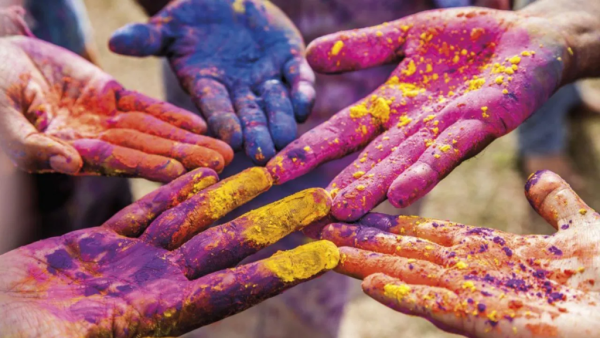
New Delhi: Holi — the festival of colours — is more than just a playful splash of reds, greens and yellows; it’s a powerful symbol of unity, renewal and joy. Celebrated with immense enthusiasm across India and around the world, Holi paints not just faces but hearts with happiness. Streets turn into open canvases of laughter, chants of “Holi Hai” echo in the air, and barriers of age, status and background dissolve in moments of collective cheer. As the vibrant powders fill the sky, they remind us to let go of the grey shades of everyday life and embrace all that’s bright and beautiful in the human spirit.
In 2026, Holi will be celebrated on March 3, and like every year, the excitement around colour play is already building up. From organic gulal to natural flower pigments, from water balloons to eco-friendly celebrations, Holi continues to evolve while keeping its age-old charms alive. But have you ever wondered where this tradition of playing with colours truly began and what deeper significance it holds? Let’s explore the fascinating history behind this joyful custom.
Origins of playing with colours in Holi
The tradition of throwing colours dates back to ancient India, closely tied to mythological tales and seasonal changes. One of the most popular legends revolves around Lord Krishna, who jokingly coloured Radha’s face to erase their difference in skin tone. This innocent act became a symbol of love, equality and celebration. Over time, this playful gesture transformed into the vibrant festival known today.
Another aspect of Holi’s history is linked with the arrival of spring — a time when nature itself bursts into colour. Ancient communities celebrated the end of winter and welcomed new beginnings with rituals that involved natural dyes, flowers and festive songs. These colourful gatherings reflected the renewal of life, crops and relationships.
Symbolism behind the colours of Holi
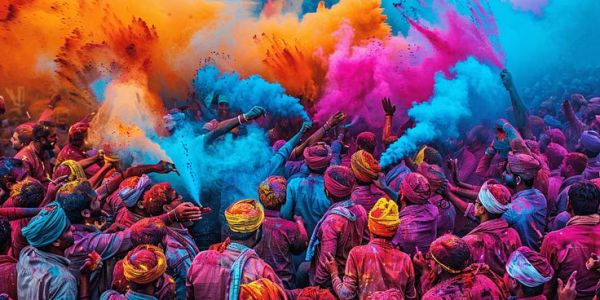
Every hue used during Holi has a meaning that extends far beyond its visual charm. Red signifies love and fertility, yellow represents happiness and energy, blue symbolises the divine presence of Krishna, while green denotes harmony and growth. When people smear colours on each other, they are not only celebrating togetherness but also acknowledging the diversity and beauty in human emotions — much like how different shades together create a perfect rainbow.
In a modern sense, playing with colours during Holi reminds everyone to step away from routine and embrace joy freely. It’s a moment when social differences fade, and laughter bridges every gap.
Modern-day Holi celebrations
Today, the festival has taken on a global identity, celebrated across continents with music, dance and cultural exchange. In cities like London, New York, and Sydney, Holi festivals of colours attract thousands of participants eager to experience this ancient Indian joy. Whether it’s eco-friendly gulal, organic colour powders or water-saving festivities, the spirit of Holi continues to adapt beautifully to modern sensibilities while keeping its essence alive — spreading happiness, warmth and hope.
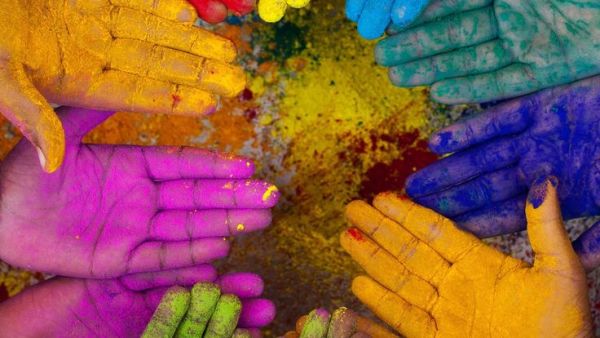
The tradition of playing with colours on Holi beautifully mirrors life itself — filled with shades of love, laughter, forgiveness and renewal. It unites generations, emotions and communities under one joyful sky, reminding everyone that happiness multiplies when shared.
-
What will be the penalty for not paying home loan EMIs? What will be the impact on CIBIL? Learn the bank's rules..

-
Income Tax: Fake HRA claims will be costly, Income Tax Department is going to change this rule..

-
8th Pay Commission: When will the 8th Pay Commission's interim report be released? How much will salaries increase? Here's the latest update..

-
KYC: Can you become a millionaire without KYC? Clear up any misconceptions about mutual funds..

-
IDFC First Bank: IDFC First Bank customers are worried about the fraud! Are your savings at risk?