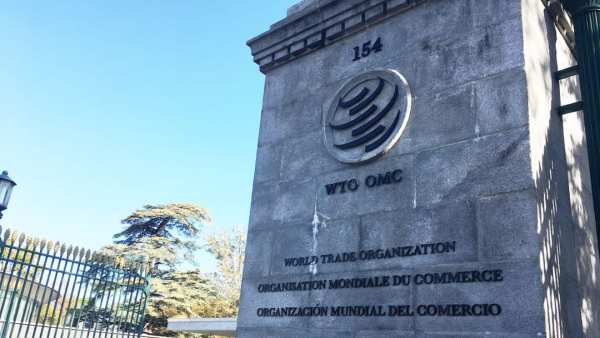
India will undergo its 8th Trade Policy Review (TPR) at the World Trade Organisation (WTO) in July 2026, marking a significant moment for the country’s global trade engagement. The review, a comprehensive peer assessment of national trade policies and practices, is part of the WTO’s regular monitoring mechanism aimed at ensuring transparency and predictability in the multilateral trading system.
According to an official statement released on Thursday, preparations are already underway. India’s previous, or 7th, Trade Policy Review was conducted in January 2021 at the WTO’s headquarters in Geneva. The upcoming review is expected to closely examine India’s policy framework, reform trajectory and alignment with global trade commitments, reported PTI.
Showcasing Digital Customs Reforms
In the run-up to the July 2026 review, an Indian delegation led by Surjit Bhujabal, Member (Customs), Central Board of Indirect Taxes and Customs (CBIC), presented India’s progress in digital customs reforms and implementation of the Trade Facilitation Agreement (TFA). The delegation highlighted the country’s efforts during special trade facilitation sessions organised at the WTO on February 24 by the CBIC and the Permanent Mission of India.
The Finance Ministry noted that the sessions saw participation from delegates representing around 40 countries, along with members of the WTO Secretariat. The strong turnout underscored the global interest in India’s evolving trade facilitation framework and its best practices.
Moving Beyond Compliance: ‘TFA Plus’ Ambitions
India has already notified 100 per cent of its commitments under the WTO Trade Facilitation Agreement within the prescribed timelines. Officials described this as a reflection of sustained efforts to enhance transparency, streamline procedures and strengthen inter-agency coordination.
With compliance achieved, India is now working towards what the ministry termed “TFA Plus” measures under the National Trade Facilitation Action Plan (NTFAP 3.0). These measures aim to move beyond baseline requirements and align India’s trade processes with emerging global standards.
During the WTO session, the Indian Customs delegation emphasised what it called a “whole-of-government approach” to reform. Over the past decade, customs procedures have undergone extensive digitisation and process re-engineering, creating what officials described as a faceless, contactless and paperless ecosystem.
A Digitised Trade Ecosystem
The modernisation drive has connected traders, customs authorities, banks and logistics operators through a unified digital interface. Electronic processing of customs documentation has reduced transaction costs and improved clearance timelines, making cross-border trade more efficient.
Bhujabal stated that India’s digitisation and modernisation of customs procedures over the past decade have contributed meaningfully to trade growth and deeper integration into global value chains. He added that these reforms reflect India’s commitment to transparency and trade efficiency.
The WTO’s Trade Policy Review mechanism is designed not to pass judgement, but to promote mutual understanding of members’ trade policies. For India, the July 2026 review will serve as both a report card and a platform to outline its reform journey.
-
Supreme Court Imposes Ban on NCERT's Social Science Book Over Judiciary Corruption Chapter
-
Rashmika Vijay Wedding Live Updates: Rashmika Mandanna and Vijay Deverakonda tied the knot, married according to Telugu rituals..

-
For children: Avisha writes scathing email to an author. Thus begins an unexpected correspondence

-
Robots deliver Just Eat takeaways across 'tech savvy' UK city for first-ever time

-
Sauce.vc Closes ₹750 Cr Fund To Double Down On Portfolio Startups