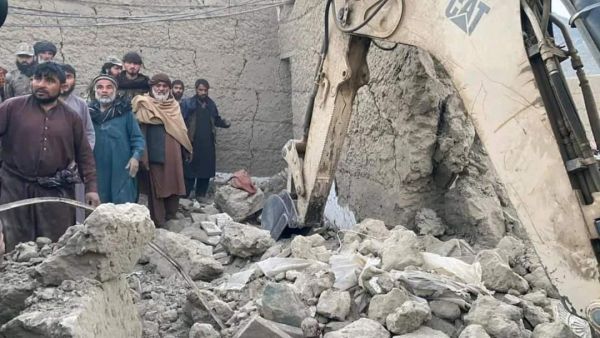
Pakistan carried out a drone strike on an Afghan military post along the Paktia-Kurram border just hours ago, dramatically escalating tensions between the two neighbours. The attack comes amid nearly 14 hours of sustained Pakistani air operations targeting Taliban-linked positions inside Afghanistan. The strategy mirrors past conflicts where air power was prioritised over ground offensives, reminiscent of Soviet operations in the 1980s and US air campaigns after 2001. With both sides now deploying air assets and claiming heavy casualties, what began as clashes with militant groups has spiralled into open confrontation between two states.
Air Power Replaces Ground War
Pakistani forces have increasingly relied on air and drone strikes rather than large-scale ground incursions. Afghan authorities, in turn, claim their air force has conducted retaliatory strikes, with reports suggesting operations reaching as far as areas near Islamabad.
Afghanistan has claimed that 55 people have been killed in Pakistani strikes, while Pakistan says 150 people have died in Afghan attacks. These figures remain unverified. What is clear, however, is that a conflict that initially involved the Tehreek-e-Taliban Pakistan (TTP) has now expanded into direct military engagement between Islamabad and Kabul.
The present crisis is rooted in longstanding tensions. After the Taliban returned to power in Afghanistan in August 2021, imprisoned TTP militants were released. Pakistan accuses the Afghan Taliban of allowing the TTP to regroup and stage attacks across the border, allegations Kabul has denied.
The Durand Line Dispute
Beyond militant activity, a deeper historical fault line fuels the hostility: the disputed Durand Line. Drawn in 1893 between British India and Afghanistan, the 2,670-kilometre boundary was inherited by Pakistan after independence in 1947. Afghanistan has long contested its legitimacy.
The border cuts through Pashtun tribal regions, dividing families and communities. Tensions over its recognition have repeatedly sparked skirmishes over decades. Even in the absence of the TTP, this unresolved territorial dispute provides ample grounds for confrontation.
Diplomatic efforts may follow, with countries such as Turkey and Qatar seen as potential mediators. However, with both governments publicly describing the situation as open war, a swift de-escalation appears unlikely.
-
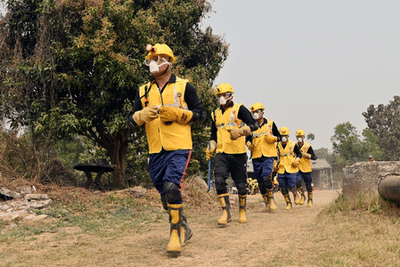
National Capacity Building Urban Search and Rescue Competition held by NDRF for Eastern, Northeastern States
-
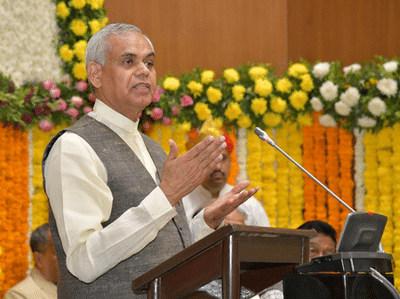
Natural farming best option to protect soil and health: Governor at Gujarat Assembly
-
The Kerala Story 2 Release Stay Lifted By Division Bench Of Kerala HC; See New Release Date

-
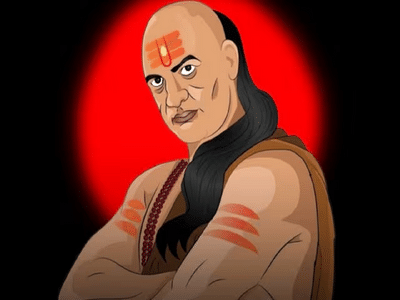
According to Chanakya Niti, never speak among these people, otherwise there will be loss
-
Kelvin Fletcher and wife emotional after storm hits farm 'we would have been homeless'