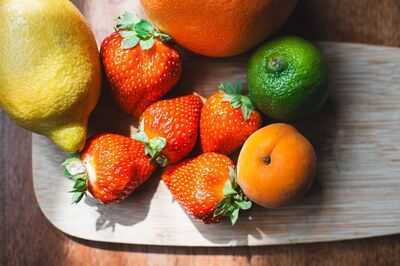
There's definitely no shortage of 'advice' circulating about foods that may help prevent colds and flu. Chances are that a well-meaning relative has urged you to eat oranges or take aspoonful of honey daily to avoid getting sick.
However, a biomedical science lecturer has explored whether there is solid scientific evidence behind these common claims. While he agreed that some foods may help boost the immune system, he also pointed out several misconceptions that need clarification.
Dr Gareth Nye, from the University of Salford, toldthe Mirror last year: "The general consensus is that a healthy, varied diet is crucial for supporting your immune system to function optimally and prevent immunodeficiency, which is when you are more susceptible to illness.
- 'I'm a cardiologist and there are three things I would never eat or drink'
- 'I drank SIX bottles of wine EVERY DAY - until something horrific happened'
"While you can't 'super-charge' or 'boost' your immune system beyond its normal, healthy function, a diet rich in specific nutrients provides the necessary building blocks and defences for your body's immune cells."
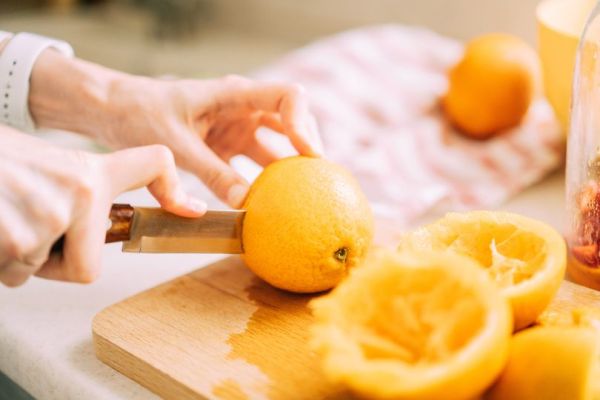
Dr Nye highlighted four key vitamins that support immune health, with Vitamin C being especially notable. This vitamin is abundant in fruits like oranges and strawberries, and in vegetables such as broccoli, Brussels sprouts, and peppers.
This perspective is endorsed by the NHS, which explains that vitamin C - also called ascorbic acid - not only protects cells but also helps keep skin, blood vessels, bones, and cartilage healthy.
Both Dr Nye and the NHS also emphasise the importance of vitamins A, D, and E. Vitamin D intake is particularly vital before the clocks go forward again, as the body produces less of it due to reduced sunlight exposure.
"Focus on the vitamins such as vitamin C, A, D and E," Dr Nye continued. "These vitamins are important to control the immune system and repair and maintain the respiratory system. Overall, protecting our bodies from infection and long-lasting symptoms.
"Vitamins also include antioxidant capacity which help cells manage inflammation and the negative aspects associated. Essentially, when you are sick, you need food rich in fruit and vegetables and avoid the ultra-processed foods, although following this guidance is good to help prevent getting sick in the first place."
There is increasing evidence that honey may help relieve symptoms of colds and flu. Although not a confirmed cure, a 2020 review suggests it could reduce the illness duration by a day or two in certain cases.
Dr Nye continued: "Honey may not ward off colds, but it does seem to help if you have one. Reviewing 14 studies of almost 1,800 people with upper respiratory infections being treated with either honey or usual methods showed that honey appeared to improve symptoms and even shorten the duration of symptoms by a day or two.
"These were just observations, though, as it is incredibly hard to get a constant 'illness' to be certain. Definitely worth a go though." On a separate note, he added: "Drink plenty of fluids during this time of year to prevent mucus buildup and dehydration, which can make colds feel worse. Remember, colds and flus are not caused by cold weather.
"Although cold weather can make your body more prone to getting symptoms and make it easier for the virus to spread, it's actually more linked to staying inside longer with other people.
"You are much more likely to catch a cold or flu by staying inside for longer periods. Try to get fresh air when you can and keep up with regular hand washing with soap and warm water."
For additional information on vitamins and minerals, visit the NHS website here.
-
Stomach not clear in the morning? Feeling heavy all day? Then mix this substance with curd and eat it, all the dirt in the intestines will be cleaned
-
Holi 2026 in Noida: Ultimate guide to craziest parties and colourful dance events

-
Best tips for working women, how to handle household and office work without tension

-
CBSE Board 12th Psychology exam on 5th March, write answers like this, know the pattern and marking scheme
-
South Korean actor Lim Ju Hwan works part-time at Coupang logistics center