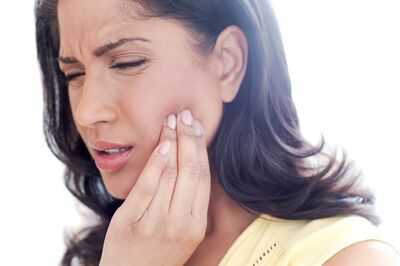
If you have ever yawned or chewed food and heard your jaw click, you are far from alone. Whilst this common condition is not usually a cause for concern, it may warrant a visit to your dentist or GP.
Known as Temporomandibular disorder, or TMD, the NHS explains that this conditionaffects jaw movement. It's typically not serious and generally resolves on its own.
While it may improve with time, there are certain symptomsworth monitoring. Should these develop, you may need to consult your dentist if teeth grinding could be a factor, or speak to a GP.
- 'I'm a cardiologist and there are three things I would never eat or drink'
- 'I was told I'd pulled muscle before they gave me devastating news over phone'
Symptoms of TMD include:
- Pain around your jaw, ear and temple
- Clicking, popping or grinding noises when you move your jaw
- A headache around your temples
- Difficulty opening your mouth fully
- Your jaw locking when you open your mouth
The discomfort can worsen when chewing or during periods of stress. TMD may also disrupt your ability to achieve a proper night's rest.
What causes TMD?Temporomandibular disorder (TMD) can be caused by:
- teeth grinding
- wear and tear of the joint
- a blow to the head or face
- stress
- an uneven bite
If teeth grinding is proving problematic, booking an appointment may be advisable. Teeth grinding doesn't always have an obvious trigger, but it's most frequently associated with stress and anxiety.
If you grind your teeth whilst sleeping, you might not realise it, and this could be the underlying cause of your TMD. Teeth grinding can also be linked to sleep issues (such as snoring and sleep apnoea), certain medications including SSRIs, and lifestyle factors like smoking, high alcohol or caffeine consumption, and recreational drug use.
It's common in children and teenagers, particularly during sleep, and often resolves once they reach adulthood and their adult teeth come through.
Teeth grinding can happen while you're awake or asleep. As well as grinding your teeth and clenching your jaw, other symptoms can include:
- face, neck and shoulder pain
- a painful jaw, which can lead to a condition called temporomandibular disorder (TMD)
- worn-down or broken teeth, which can cause increased sensitivity and loss of teeth and fillings
- headaches
- earache
- disturbed sleep
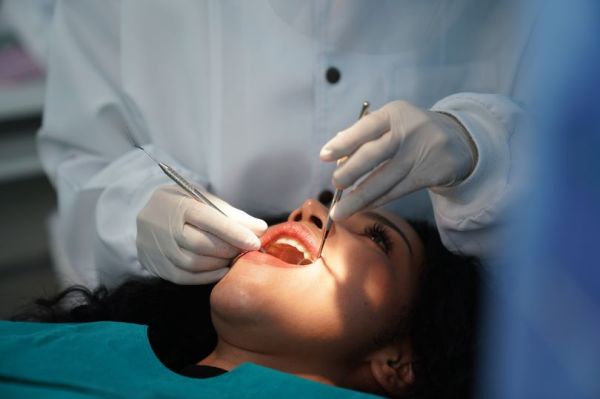
Temporomandibular disorder (TMD) usually gets better without treatment. But there are things you can do to ease the symptoms.
Do
eat soft food, like pasta, omelettes and soup
Take paracetamol or ibuprofen
hold an ice pack or heat pack wrapped in a tea towel to the jaw, whichever feels better
Massage the painful jaw muscles
try to find ways to relax
Don’t
Do not chew gum or pen tops
Do not bite food with your front teeth
Do not yawn too wide
Do not bite your nails
Do not clench your teeth – apart from when eating, your teeth should be apart
You should call 111 or ask for an urgent GP appointment if:
- You're unable to eat or drink
- You have clicking, popping or grinding noises when you move your jaw
- You have difficulty opening your mouth fully, or your jaw is lockingYouu have pain around your jaw, ear or at the side of your head
- You have frequent, severe headaches
- You have pain or tenderness at the side of your head or on the scalp
- You have vision problems, such as double vision or loss of vision in one or both eyes
The NHS says: "These can be signs of a serious problem that needs urgent treatment. You can call 111 or get help from 111 online."
How can a dentist or GP treat TMD?The GP may suggest you take stronger painkillers. They may also advise you on relaxation techniques to reduce stress and ways to improve your sleep.
They may also suggest you see a dentist if teeth grinding might be an issue. Other people they may suggest is a psychologist, if stress and anxiety are making your pain worse or a physiotherapist, for advice about jaw exercises and massage.
Should a dentist be deemed the most appropriate option, they will likely advise a mouth guard or mouth splint. These are worn overnight to protect your teeth from damage, and can be custom-made to fit precisely over your upper or lower teeth.
If these treatments prove ineffective, you may be referred to a joint specialist to consider further options, such as pain-relieving injections or surgery.
Ensure our latest headlines always appear at the top of your Google Search by making us a Preferred Source.Click here to activate or add us as your Preferred Source in your Google search settings.
-
Stomach not clear in the morning? Feeling heavy all day? Then mix this substance with curd and eat it, all the dirt in the intestines will be cleaned

-
Holi 2026 in Noida: Ultimate guide to craziest parties and colourful dance events

-
Best tips for working women, how to handle household and office work without tension

-
CBSE Board 12th Psychology exam on 5th March, write answers like this, know the pattern and marking scheme

-
South Korean actor Lim Ju Hwan works part-time at Coupang logistics center