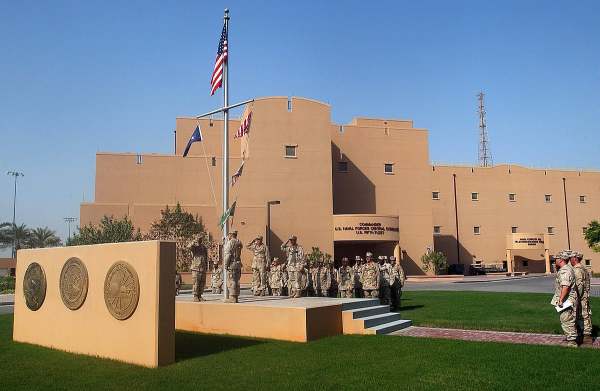
Applying Pearl Harbour's lessons on dispersal and constant vigilance, the US Navy’s 5th Fleet avoided catastrophic losses during Iranian missile strikes in Bahrain. Despite damage to infrastructure, strategic readiness and rapid personnel evacuations mitigated the impact of this unprecedented regional escalation
Iranian attack on the US Navy's Naval Support Activity (NSA) in Bahrain has drawn direct parallels to the 1941 attack on Pearl Harbour by Japan during World War II. Modern defence doctrine at the base is built on the hard-learned lessons of avoiding complacency and centralised vulnerability which led to the disaster for the US Navy in Hawaii. To counter the threat of swarm drones and hypersonic missiles, the Fifth Fleet utilised a strategy of dispersal and sortying—rapidly moving warships out of concentrated port areas to the open sea.
This "Fleet in Being" approach prevents assets from becoming "sitting ducks" while ensuring the navy remains a mobile, credible threat. By prioritising constant military readiness, 24/7 intelligence monitoring and advanced anti-drone technologies like C-RAM, the US Navy worked to bridge the gap between traditional harbour defence and the evolving realities of high-tech aerial warfare.
Click Here For US-Iran-Israel War Live Updates
Unprecedented escalation in the Persian Gulf
The regional security scenario shifted dramatically following a series of Iranian missile and drone strikes targeting the US Navy’s Fifth Fleet headquarters in Bahrain. This direct assault resulted in visible damage, with social media footage capturing thick plumes of smoke rising from the facility after drones targeted sensitive infrastructure, including a radar installation. These strikes are part of a broader retaliatory campaign by Tehran following US and Israeli operations against Iranian leadership, signalling a dangerous new phase in the regional conflict that has now seen missiles hit Al Udeid in Qatar and Al Dhafra in the UAE.
Evacuation and force protection measures
In the immediate aftermath of the strikes, US Navy Central Command (NAVCENT) issued an emergency directive to all service members and contractors residing in the Juffair neighbourhood of Manama. Determining that the area is no longer assessed as safe for American personnel, US Navy initiated an evacuation, providing funding for personnel to relocate to more secure lodging.
This move shows the severity of the threat, as multiple high-rise residential buildings in the capital also sustained damage during the aerial bombardment, complicating the safety of the thousands of Americans stationed on the island.
Technological superiority and defence gaps
The assault appears to have tested the limits of regional missile defence systems, with unconfirmed reports suggesting the use of Iranian hypersonic missiles. These advanced projectiles reportedly overwhelmed existing Patriot and THAAD batteries, allowing multiple impacts to occur within the base perimeter.
These strikes have exposed significant gaps in the security of static Gulf-based assets. The IRGC confirmed that the operation targeted multiple US bases across the region, describing the hits as successful strikes on key military facilities.
Sovereignty and international implications
The Bahraini government, through its state news agency, officially confirmed the attack on the US service centre and condemned the strikes as a blatant violation of its national sovereignty. As air-raid sirens become a reality for residents of the island nation, the international community is monitoring the situation to see if this escalation triggers a full-scale regional war.
For now, the focus at NSA Bahrain remains on rapid damage assessment and the evolution of defence doctrines to counter the sophisticated aerial threats that have fundamentally altered the security of the Persian Gulf.
-
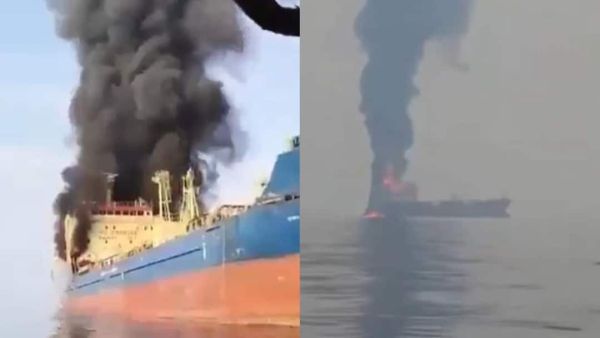
Indian Crew Member Killed After Strikes On Tanker Near Oman
-
Thalapathy Vijay’s first message after wife files for divorce

-
Nawazuddin Siddiqui comes onboard for ‘Tumbbad 2’

-
Summer Food Recipe: Have a tasty curd and rice dish for lunch in summer, the body will stay hydrated forever

-
AI+ Launches Pulse 2 With 120Hz Refresh Rate, 6,000mAh Battery, And Unisoc Chipset At Just Rs…