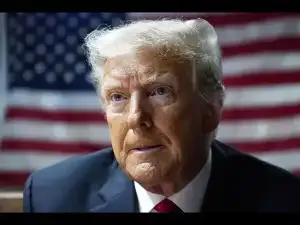
The possibility of a $2,000 rebate check for Americans linked to tariff revenue has become a trending economic topic across the United States. The proposal comes from a campaign message associated with Donald Trump, who said he is still considering the commitment but has not finalized any decision.
In January 2026, Trump told The New York Times directly: the tariff money is "so substantial" that he could comfortably send $2,000 payments to Americans "toward the end of the year." In December 2025, he went further, predicting "the largest tax refund season ever" and promising a "nice dividend to the people" on top of debt reduction.
The campaign email sent February 27, 2026, kept that energy alive. Written in Trump's signature style, it read: "I'm looking into these checks very seriously. I'm the only one who can do it. I haven't made the commitment yet, but I may make the commitment."
The rebate check plan targets middle- and lower-income Americans who are struggling with rising living costs, inflation pressure, and housing affordability challenges. Supporters believe the program could return trade-generated revenue directly to taxpayers. Critics, however, worry about fiscal sustainability and long-term price stability.
Interest in the proposal increased after a ruling from the Supreme Court of the United States limited the government’s ability to impose broad tariffs under emergency economic authority. The court’s 6–3 decision rejected the legal justification used to expand tariff programs without congressional authorization.
Legal experts say the ruling may complicate plans to finance rebate checks through tariff collections. Trade taxes traditionally require legislative approval when used for large-scale federal spending programs.
In the message, Trump wrote that he is studying the rebate check idea carefully. He emphasized that he has not made a final commitment but may move forward if conditions are favorable.
The email also claimed Democratic lawmakers oppose the program. It argued that political opponents are blocking what supporters view as financial compensation for American workers.
The Supreme Court delivered a stinging rebuke to Trump's tariff strategy. In a 6-3 decision, the justices ruled that Trump overstepped his authority by imposing broad tariffs under the International Emergency Economic Powers Act — commonly known as IEEPA. The court found clearly that IEEPA does not give any president the power to levy tariffs.
This ruling hits the $2,000 check plan at its foundation. Trump built his entire payment framework on tariff revenue. Those tariffs were pulling in an estimated $300 billion per year. The rebate checks were projected to cost $600 billion. Even before the ruling, the funding gap was enormous. After it, the core revenue stream has legally collapsed.
What makes this ruling more stinging for Trump: three conservative justices sided with the three liberal justices to reach the 6-3 decision. These tariffs never went through Congress — Trump implemented them entirely through executive orders. That means no Democrat or Republican on Capitol Hill ever cast a vote on them before the Supreme Court invalidated the whole approach.
Trump has repeatedly framed the proposal as an “America First” economic policy designed to return trade revenue to U.S. citizens.
The nonprofit Committee for a Responsible Federal Budget estimated that issuing $2,000 payments to eligible Americans could cost around $600 billion annually.
The group warned that financing such a program through tariff revenue alone may not be reliable. Analysts said the earlier projection that tariffs might generate about $300 billion per year could fluctuate depending on global trade conditions.
Economists also warn that large cash transfer programs can increase consumer demand quickly. When household spending rises faster than supply production, inflationary pressure often follows.
York also flagged a direct contradiction running through Trump's economic agenda. On one hand, Trump is pressuring the Federal Reserve to cut interest rates. On the other, he is pushing for massive new government spending. York warned that combining loose monetary policy with high spending "would seriously threaten a return of higher inflation" — meaning the check you receive today could shrink your purchasing power tomorrow.
The Committee for a Responsible Federal Budget reinforced this concern. A $600 billion spending program with no confirmed funding source would balloon the national deficit significantly — an awkward outcome for an administration that has championed fiscal discipline in other policy areas.
He argued that the decision might allow foreign companies and countries to continue benefiting from global trade advantages that he believes hurt American economic interests.
Trump described the ruling as potentially creating a “windfall” for foreign entities that allegedly received unfair advantages from past trade arrangements.
He also questioned whether the case could be reheard, although constitutional scholars say reopening Supreme Court decisions is extremely rare under normal legal procedure.
The proposal depends on several economic and political factors. These include tariff revenue performance, legislative approval, and broader fiscal policy strategy.
Some political strategists believe the rebate check idea could become a major campaign issue in future elections. The plan may appeal to voters who favor direct financial returns from international trade revenue.
Opponents argue that large government cash payments could increase federal spending without guaranteeing long-term economic growth.
Watch for three developments that could genuinely change this picture: a new executive action that survives legal challenge, a bipartisan Congressional bill with real teeth, or a formal White House announcement that includes income limits and a payment date. Until one of those happens, the $2,000 Trump rebate check remains a powerful campaign message — not a financial reality you can count on.
No official program has been approved. The proposal remains under discussion after a campaign email said Trump “may make the commitment” but had not finalized policy. There is no confirmed payment date, eligibility rule, or legislative authorization yet.
2. Where will the $2,000 rebate check money come from?
The plan is linked to tariff revenue. Earlier estimates suggested tariffs could generate about $300 billion annually, but a full rebate program could cost nearly $600 billion per year if issued widely, according to fiscal watchdog projections.
3. Is the $2,000 check legal after the Supreme Court ruling?
Uncertain. The Supreme Court of the United States ruled 6–3 against broad executive tariff authority under emergency law. The decision limits the ability to fund large rebate programs without congressional approval.
4. Who is eligible for the $2,000 rebate check?
Eligibility has not been defined. Early statements suggested middle- and lower-income Americans could be prioritized, but income limits and distribution methods are still undecided. No enrollment process has been announced.
In January 2026, Trump told The New York Times directly: the tariff money is "so substantial" that he could comfortably send $2,000 payments to Americans "toward the end of the year." In December 2025, he went further, predicting "the largest tax refund season ever" and promising a "nice dividend to the people" on top of debt reduction.
The campaign email sent February 27, 2026, kept that energy alive. Written in Trump's signature style, it read: "I'm looking into these checks very seriously. I'm the only one who can do it. I haven't made the commitment yet, but I may make the commitment."
The rebate check plan targets middle- and lower-income Americans who are struggling with rising living costs, inflation pressure, and housing affordability challenges. Supporters believe the program could return trade-generated revenue directly to taxpayers. Critics, however, worry about fiscal sustainability and long-term price stability.
Interest in the proposal increased after a ruling from the Supreme Court of the United States limited the government’s ability to impose broad tariffs under emergency economic authority. The court’s 6–3 decision rejected the legal justification used to expand tariff programs without congressional authorization.
Legal experts say the ruling may complicate plans to finance rebate checks through tariff collections. Trade taxes traditionally require legislative approval when used for large-scale federal spending programs.
Trump campaign email signals possible $2,000 payment plan but stops short of promise
The campaign email sent on February 27, 2026, carried a strong political message aimed at supporters. The subject line asked, “$2,000 stolen from you?” reflecting frustration about economic policy debates.In the message, Trump wrote that he is studying the rebate check idea carefully. He emphasized that he has not made a final commitment but may move forward if conditions are favorable.
The email also claimed Democratic lawmakers oppose the program. It argued that political opponents are blocking what supporters view as financial compensation for American workers.
The Supreme Court delivered a stinging rebuke to Trump's tariff strategy. In a 6-3 decision, the justices ruled that Trump overstepped his authority by imposing broad tariffs under the International Emergency Economic Powers Act — commonly known as IEEPA. The court found clearly that IEEPA does not give any president the power to levy tariffs.
This ruling hits the $2,000 check plan at its foundation. Trump built his entire payment framework on tariff revenue. Those tariffs were pulling in an estimated $300 billion per year. The rebate checks were projected to cost $600 billion. Even before the ruling, the funding gap was enormous. After it, the core revenue stream has legally collapsed.
What makes this ruling more stinging for Trump: three conservative justices sided with the three liberal justices to reach the 6-3 decision. These tariffs never went through Congress — Trump implemented them entirely through executive orders. That means no Democrat or Republican on Capitol Hill ever cast a vote on them before the Supreme Court invalidated the whole approach.
Trump has repeatedly framed the proposal as an “America First” economic policy designed to return trade revenue to U.S. citizens.
$2,000 rebate check cost estimate raises fiscal concerns among economists
The rebate proposal could become one of the largest direct payment programs in recent U.S. policy discussion.The nonprofit Committee for a Responsible Federal Budget estimated that issuing $2,000 payments to eligible Americans could cost around $600 billion annually.
The group warned that financing such a program through tariff revenue alone may not be reliable. Analysts said the earlier projection that tariffs might generate about $300 billion per year could fluctuate depending on global trade conditions.
Economists also warn that large cash transfer programs can increase consumer demand quickly. When household spending rises faster than supply production, inflationary pressure often follows.
Inflation risk becomes a major concern in rebate check debate
Economists are raising red flags — and you should pay attention to them. Erica York, Vice President of Federal Tax Policy at the Tax Foundation, put it bluntly in November 2025: sending out mass checks is "a recipe for higher inflation" at a time when inflation remains stubbornly elevated.York also flagged a direct contradiction running through Trump's economic agenda. On one hand, Trump is pressuring the Federal Reserve to cut interest rates. On the other, he is pushing for massive new government spending. York warned that combining loose monetary policy with high spending "would seriously threaten a return of higher inflation" — meaning the check you receive today could shrink your purchasing power tomorrow.
The Committee for a Responsible Federal Budget reinforced this concern. A $600 billion spending program with no confirmed funding source would balloon the national deficit significantly — an awkward outcome for an administration that has championed fiscal discipline in other policy areas.
Truth Social post shows Trump’s criticism of court tariff ruling
After the Supreme Court decision, Trump posted on Truth Social criticizing the ruling.He argued that the decision might allow foreign companies and countries to continue benefiting from global trade advantages that he believes hurt American economic interests.
Trump described the ruling as potentially creating a “windfall” for foreign entities that allegedly received unfair advantages from past trade arrangements.
He also questioned whether the case could be reheard, although constitutional scholars say reopening Supreme Court decisions is extremely rare under normal legal procedure.
Will Americans actually receive $2,000 rebate checks?
At present, there is no confirmed schedule for distributing $2,000 rebate checks. Authorities have not announced eligibility criteria, income limits, or funding authorization.The proposal depends on several economic and political factors. These include tariff revenue performance, legislative approval, and broader fiscal policy strategy.
Some political strategists believe the rebate check idea could become a major campaign issue in future elections. The plan may appeal to voters who favor direct financial returns from international trade revenue.
Opponents argue that large government cash payments could increase federal spending without guaranteeing long-term economic growth.
Watch for three developments that could genuinely change this picture: a new executive action that survives legal challenge, a bipartisan Congressional bill with real teeth, or a formal White House announcement that includes income limits and a payment date. Until one of those happens, the $2,000 Trump rebate check remains a powerful campaign message — not a financial reality you can count on.
FAQs:
1. Will Americans get $2,000 rebate checks from Trump?No official program has been approved. The proposal remains under discussion after a campaign email said Trump “may make the commitment” but had not finalized policy. There is no confirmed payment date, eligibility rule, or legislative authorization yet.
2. Where will the $2,000 rebate check money come from?
The plan is linked to tariff revenue. Earlier estimates suggested tariffs could generate about $300 billion annually, but a full rebate program could cost nearly $600 billion per year if issued widely, according to fiscal watchdog projections.
3. Is the $2,000 check legal after the Supreme Court ruling?
Uncertain. The Supreme Court of the United States ruled 6–3 against broad executive tariff authority under emergency law. The decision limits the ability to fund large rebate programs without congressional approval.
4. Who is eligible for the $2,000 rebate check?
Eligibility has not been defined. Early statements suggested middle- and lower-income Americans could be prioritized, but income limits and distribution methods are still undecided. No enrollment process has been announced.


