Mahalakshmi Varun, a karate coach from Bengaluru, is aiming to train State and national-level medallists and increase student participation in World Karate Federation (WKF)-recognised tournaments, providing her students an international platform.
Varun cleared the Accredited Coach Certification examination conducted during the 2026 Karate 1 Youth League in Fujairah, United Arab Emirates, organised by the World Karate Federation from February 12 to 15. The certification qualifies her to train at the international level, making her one of the few women to achieve this distinction.
In an exclusive interaction, Varun said, “I want my students to not only become champions in karate but also strong, disciplined individuals in life.”
She explained that the certification examination was conducted in written format and required candidates to attend a seminar beforehand. “I had a very good experience there. I got to meet and speak with coaches from different countries about their techniques and teaching styles,” she said, adding that she may pursue further certifications as a judge and later as a referee on the WKF platform.
The certification enables coaches to upskill and gain in-depth knowledge of WKF rules, modern training methods, penalties in kata and kumite — the two main karate competition formats — athlete safety, ethical coaching, and professional conduct.
“I now combine traditional Shotokan fundamentals with modern WKF-based kumite strategies. The difference lies in better planning, technical precision, and match awareness. It is more structured and competition-oriented,” she said.
Varun added that she has already begun implementing new drills, footwork patterns, timing exercises, and competition strategies in her regular classes, focusing on structured progression for each belt level.
Speaking about her students’ adaptability, she said, “Initially, some drills were challenging, but I can now see improvement in their speed, reaction time, confidence, and discipline. They are enjoying the upgraded training system and are adapting well.”
The Youth League, she noted, offers significant exposure to students. “The cultural diversity we gain from meeting people from different countries and observing different karate styles is immense. It acts as a bridge for knowledge exchange,” she said.
Reflecting on her journey, Varun spoke about taking forward her father’s organisation, the Japan Shotokan Karate Do India Federation, which has trained over 10,000 students. She continues to lead the organisation, with more than 400 students currently training across different schools.
“I am doing it with a stronger foundation, better training structure, and more competition exposure for students,” she said.
On financial gains, Varun said, “Monetarily, I do not gain much. But the satisfaction and happiness of accomplishing something at this stage of life after years of learning karate means a lot to me. That enthusiasm for learning will be the driving force for my next level.”
Looking ahead, she said she aims to develop disciplined and confident black belts while upgrading her own Dan rank and coaching credentials.
Praachi Jain, one of her trainees, said karate makes her feel powerful — physically, mentally, and emotionally. Calling it a journey of self-growth, she said karate has helped shape her personality to be bold, disciplined, and fearless. She described Varun as a role model who guided her through ups and downs, corrected her mistakes, and believed in her potential.
WRITTEN BY
Nanasu Raghuram
School of Communication and Media Studies
St Joseph’s University, Bengaluru.
-
T20 World Cup 2026: ICC’s big announcement before the semi-final matches, these 10 greats will decide the win-loss

-
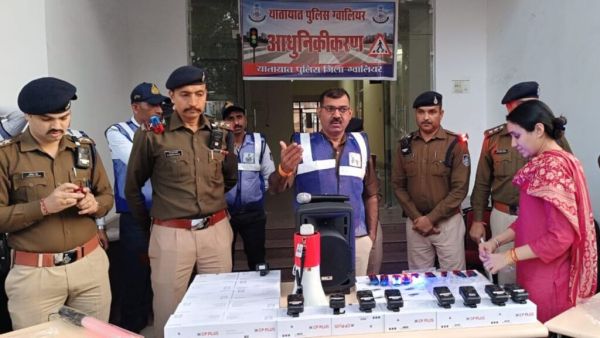
Gwalior police armed with body worn cameras, shoulder blinker lights, sticks on the streets, if you create ruckus on Holi, you will be sent straight to jail.
-
Will Aaqib Nabi enter Team India? BCCI Secretary gave a big statement

-
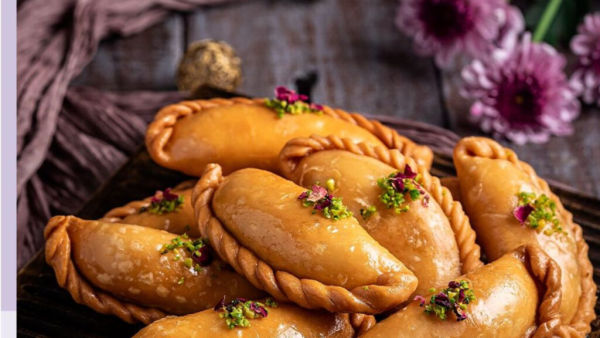
The history of Gujiya is 800 years old, its journey from Türkiye to India…this is how the taste and form changed.
-
Do you get angry over small things? Adopt these 5 easy methods to keep your mind calm, your life will change: