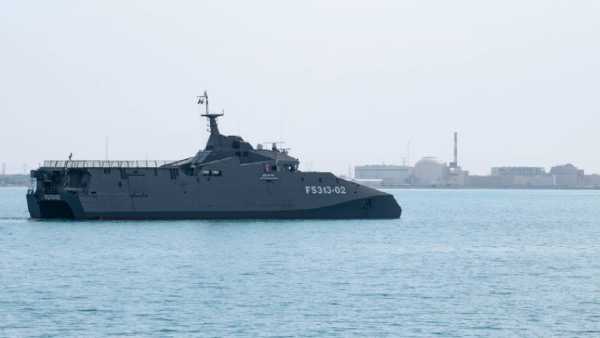
New Delhi: The world’s most critical energy chokepoint has effectively frozen. While the Strait of Hormuz remains technically open, maritime traffic has plummeted by a staggering 86 per cent, pushing global energy markets into a state of “wait and freeze” as regional conflict intensifies.
Data from analytics firms Windward and Kpler reveal a haunting scene. The pulse of global crude traffic has nearly flatlined. On March 1, only three tankers carrying 2.8 million barrels crossed the Strait, a fraction of the 19.8 million barrels daily average seen in 2026. By the following morning, the vital shipping lanes were nearly empty, occupied by only two small vessels.
An infographic titled “Strait of Hormuz” was created in Ankara, Turkiye, on March 2, 2026. The Strait of Hormuz is known as one of the most strategic maritime chokepoints. (Photo by Mehmet Yaren Bozgun/Anadolu via Getty Images)
The result is a massive floating traffic jam. Approximately 706 non-Iranian tankers are currently “stacked” on either side of the waterway. Out of these stranded tankers, 334 are crude carriers, 109 are dirty product tankers, and 263 are clean product vessels. Hundreds more are drifting in the Gulf of Oman or idling inside the Gulf without clear destinations.
Crude and gas skyrocket
The economic fallout was instantaneous. Brent crude surged 10 per cent, hovering near 80 dollars a barrel, while European natural gas prices exploded by 40 per cent. The spikes followed targeted attacks on Saudi Arabia’s massive Ras Tanura refinery and a crucial Qatari LNG plant, forcing immediate shutdowns.
Shipping logistics are also in chaos. War-risk insurance premiums have tightened, and freight rates for supertankers in the Middle East have hit all-time highs. Costs for any vessel willing to brave the passage are being passed directly to consumers at the pump.
India on high alert: Rationing and reserves
The crisis poses an existential threat to major importers like India and China. New Delhi is particularly vulnerable, as it imports 80–85 per cent of its LPG from the Gulf. Current industry estimates suggest India’s LPG stocks might last less than two weeks if deliveries don’t resume.
In response, the Indian government is weighing drastic measures. India may halt the export of refined fuel to prioritise domestic supplies. The Centre is preparing a strategic demand management plan for households.
The government is also planning to increase Russian crude imports and ramp up production at state refiners like IOC, HPCL, and BPCL.
Oil Minister Hardeep Puri stated that India’s total strategic reserves, including underground caverns and floating storage, could cover roughly 74 days of demand. However, within that buffer, dedicated LNG and LPG reserves are much thinner, covering only 10–21 days.
“We are continuously monitoring the evolving situation, and all necessary steps will be taken in order to ensure availability and affordability of major petroleum products in the country,” the oil ministry said on X after Oil Minister Hardeep Puri reviewed supplies.
A conflict of “weeks, not days”
The paralysis follows a sharp escalation between the U.S. and Iran, with Tehran targeting vessels in retaliation for U.S. and Israeli strikes. US President Donald Trump has warned that the West Asia conflict could drag on for “weeks, not days,” signalling that the global energy squeeze is likely just beginning.
-
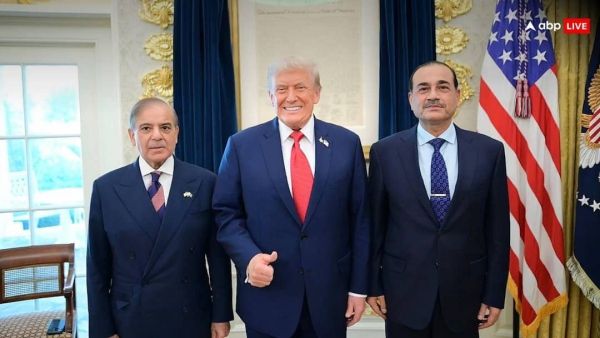
'Time Has Come': Sharif-Munir Under Pressure As Protests Erupt In Pakistan Over Khamenei’s Death
-
AAP Surpasses Congress, SAD-BJP In Excise, GST, Stamp Duty Collections: Minister Cheema
-
Nepal elections: Gen Z hopes for genuine political reforms

-
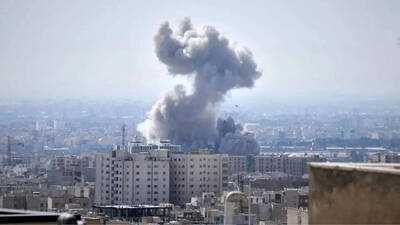
Recent Airstrikes Target Iranian Clerical Body Amid Middle East Tensions
-
Telangana govt to hold 99-day public outreach programme from March 6