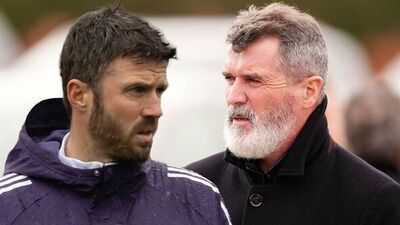
Michael Carrick has wasted little time in making his mark as Manchester United's interim manager. The current climate at the club bears little resemblance to the situation back in 2019 when former captain Roy Keane made a low-key visit. During that period, Keane's ex-colleague Ole Gunnar Solskjaer was in the manager's seat.
The Norwegian had overseen a notable upturn in performances following his appointment to replace Jose Mourinho midway through the 2018/19 season, similar to Carrick, who has also revitalised morale at Old Trafford both inside the dressing room and out.
"As you'd imagine, Roy has strong views on what it takes to be a proper United player, and he gave it to them straight," The Mirror were told of Keane's visit at the time. Whilst performances may have been improving during that era, certain matters continued to frustrate Keane.
"He wasn't impressed with one player who didn't seem to be all that interested and looked as if he'd rather be somewhere else. But for the majority, it was a fascinating snapshot into the hunger and desire that drove Roy during his time at the club."
Today, conditions stand in stark contrast to those which left Keane so frustrated.
Carrick has orchestrated a marked improvement on the field, with the shift away from Ruben Amorim's three-defender system being the most visible change, although the more substantial transformations have taken place behind the scenes.
Among the key changes introduced by Carrick is the implementation of shorter but more intensive training sessions. These have reportedly left some staff 'blown away', with the results evident in such a limited timeframe.
Carrick has also shown willingness to bring in experienced coaches who aren't afraid to question his judgement. Whilst Keane hasn't been hired, despite some calls for his return to Old Trafford following Amorim's departure, individuals like Steve Holland and Jonathan Woodgate are considered more likely to challenge the manager.
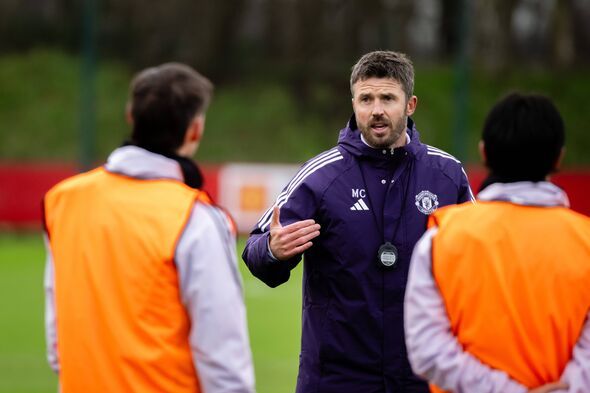
"I can't be right the whole time - it's impossible. That's why we've got a group of six in our office," Carrick recently told the BBC. "We've all got strong opinions, but we all filter it and it's important we have a connection and understanding of what direction we want to go in."
Furthermore, team meetings are typically limited to 15 minutes.
Given that various elements of the players' daily schedule now require less time, they're able to complete compulsory duties by 12.30pm, whilst there's been a greater emphasis on individualised training that wasn't evident during Amorim's tenure.
Whether this approach can continue to yield positive outcomes next season remains uncertain, particularly if Carrick secures the role on a permanent basis and United face the additional demands of European fixtures.
Currently, however, the strategy is proving effective for United's personnel and their less intensive timetable, suggesting substantial changes have occurred since Keane's visit approximately seven years ago.
-
UPSSSC Announces Recruitment for Pharmacist Positions in Uttar Pradesh

-
Fury as council installs 2 'massive' 75ft-long bus stops outside homes with no warning
-
Star-Studded Reception for Vijay Deverakonda and Rashmika Mandanna

-
Dele Alli training at Tottenham as midfielder nears return to action
-
Brooklyn Beckham's reaction in stark contrast to Kai Rooney's as key difference emerges