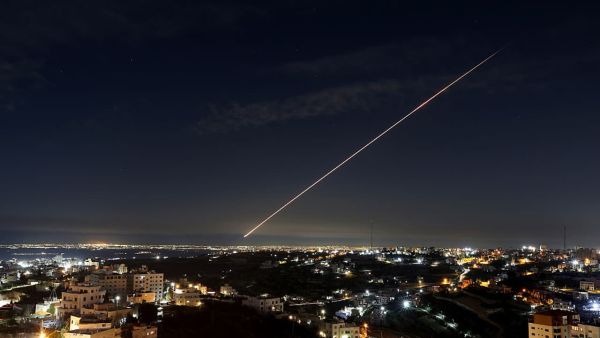
Iran’s missile and drone attacks drop sharply as US targets its launch systems. Ballistic missile launches down 86%, drones down 73%, signaling weakening offensive amid US-Israel strikes.
The intensity of Iran’s missile attacks appears to be dropping sharply as the war with the United States and Israel enters its fifth day. Senior US military officials say the decline follows sustained strikes on Iran’s missile systems and launch infrastructure.

Speaking at the Pentagon on Wednesday, the top US military officer said Iran’s ability to launch ballistic missiles and drones has weakened significantly since the conflict began.
Ballistic missile launches fall sharply
According to Dan Caine, the number of missiles fired by Iran has fallen dramatically compared with the opening phase of the war.
"Iran's theater ballistic missile shots fired are down 86 percent from the first day of fighting, with a 23 percent decrease just in the last 24 hours," Caine told a news conference at the Pentagon.
The United States began a large-scale military campaign against Iran on Saturday alongside Israel, targeting key military infrastructure. In response, Tehran launched waves of missiles and drones toward countries in the region that host US forces or bases.
Drone attacks also decline
US officials say the reduction is not limited to missiles alone. Iran’s drone launches have also dropped significantly over the past few days.
"Their one-way attack drone shots are down 73 percent from the opening days," Caine said.
Military analysts say drones have been a critical part of Iran’s strategy, often launched in large numbers to overwhelm air defence systems across the region.
US targeting Iran’s missile systems
The Pentagon says the fall in attacks reflects ongoing strikes aimed at crippling Iran’s ability to launch further barrages.
Caine said US forces are "targeting and eliminating Iran's ballistic missile systems to prevent them from threatening the US forces, partners and interests in the region."
Officials believe dismantling these launch systems is key to limiting Iran’s retaliatory capacity as the conflict continues.
Massive scale of weapons used so far
Despite the recent drop, the scale of Iran’s attacks since the start of the war remains significant.
Caine said Tehran had fired more than 500 ballistic missiles and more than 2,000 drones — posing what he described as a major challenge for air defence systems across the region.
The numbers highlight the intensity of the early days of the conflict and the strain placed on interception systems operated by the United States and its allies.
Concerns over interceptor stocks
The surge in missile and drone launches had raised concerns among experts about whether the US and its partners could sustain their air defence operations over a prolonged conflict.
However, US officials insisted their stockpiles remain adequate.
"We have sufficient precision munitions for the task at hand, both on the offense and defense," Caine said.
US Defense Secretary Pete Hegseth echoed that view, saying the gap between the two sides is growing.
He said the difference between "their ability to shoot versus our ability to defend" is "wider and wider every day."
(With inputs from AFP)
-
4 Zodiac Signs Attract Major Abundance & Luck On March 5, 2026

-
Southeast Asia’s largest economy tightens oversight of Airbnb-style short-term rentals

-
IndiGo Cancels 500+ Flights as West Asia Airspace Crisis Deepens

-
The US military is still using Claude — but defense-tech clients are fleeing
-
Azure Fundamentals for Beginners: Essential Cloud Concepts