
Parents are being urged to watch for some key signs of a condition affecting one in 10 people. Undiagnosed it can leave children frustrated and struggling, it has been warned.
Dyslexiais a common learning difficulty characterised by problems with reading, writing and spelling. While it doesn’t affect a person’s intelligence, it can affect other areas of their lives that have nothing to do with reading or writingand around one in every 10 people are believed to have some degree of dyslexia.
Experts at Evolve Psychology explained three signs of dyslexia that occur away from the books and how a diagnosis can help frustrated children and adults get the support they need. Alicia Johnson, Specific Learning Difficulty Assessor, at Evolve, said: “Struggling with literacy is such a fundamental challenge; it impacts a person’s experience of education, work and often, their self-esteem.
- 'Doctors told me to stretch, then I needed a pelvis amputation'
- Woman who lost family in drug-driver crash feels 'failed' after killer freed early
“Dyslexia is not linked to intelligence, and occurs across a range of abilities, but early recognition leads to swifter intervention and more positive outcomes.”
Signs of dyslexia that don’t involve reading or writing:
- Difficulty remembering sequences or following multi-step instructions
- Challenges with phonological awareness (identifying or manipulating sounds)
- Difficulties with working memory, organisation, and time management
The NHSalso notes that people with dyslexia may be able to understand verbal information but struggle with information that’s written down. They may also face difficulties with planning alongside the characteristic challenges of the condition like reading or writing very slowly, being confused by letters, avoiding written work and bad spelling.
If this issue goes undiagnosed, parents might notice a trend in the feedback they get from their child’s school. This can include taking longer with reading or written work, struggling to follow a sequence of instructions and a marked difference in ability between written and verbal work.
Children with undiagnosed dyslexia may also be more distracted and frustrated at school than they are at home. The experts recommended: “This behaviour may be communicating difficulty. Aim to establish whether the ‘meltdowns’ are linked to reading and writing tasks.”
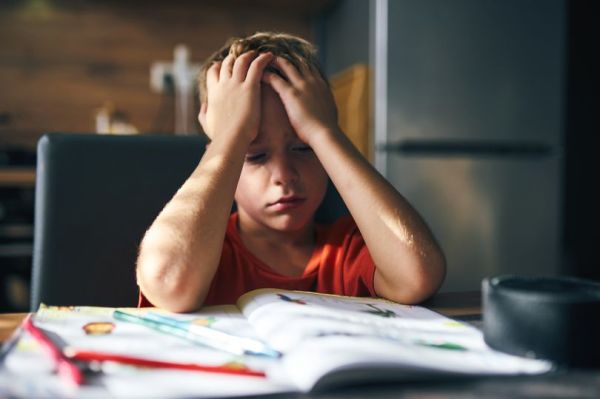
Getting the right dyslexia diagnosis can have a major impact on children and adults. Namely in their self esteem as it confirms that their learning difficulties aren’t linked to their intelligence, effort or confidence.
Some support tools, like assistive technologies and exam accommodations, can also improve academic outcomes. Dyslexia also often occurs alongside some other key conditions like ADHD, so getting a diagnosis for one can speed up the process for the other.
-
Chelsea handed immediate VAR verdict after two incidents in Aston Villa clash
-
BBC star in 'last stages of life' launches GoFundMe for wife and baby
-
Migrant from Chad charged after two stabbed in Edinburgh attack
-
Stunned Newcastle star Jacob Ramsey shown controversial red card vs Man Utd

-
Jonathan Ross reveals Oscars predictions days before hosting ITV's Academy Awards coverage