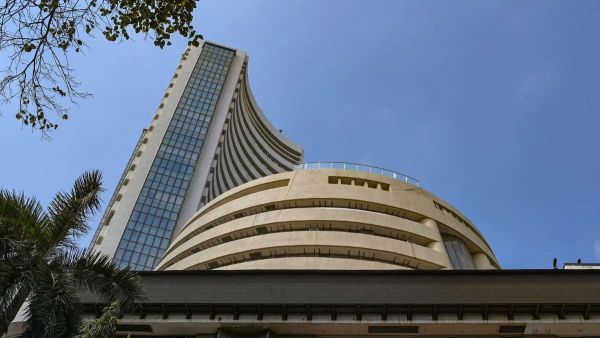
Shares of the Bombay Stock Exchange (BSE) surged as much as 3% in early trade on Thursday, March 5, 2026, following the announcement that the Securities and Exchange Board of India (SEBI) has approved the launch of derivative contracts on the BSE Sensex Next 30 Index.
The BSE is set to broaden its derivatives portfolio by introducing cash-settled monthly futures and options for the Sensex Next 30. It tracks the 30 largest and most liquid companies in the BSE 100 that are not part of the main BSE Sensex 30. This move is seen as a tactical step to compete with the National Stock Exchange of India (NSE) and capture a larger share of the burgeoning Indian F&O market.
Key Transaction & Index Data
- Stock Price Reaction: High of ₹2,710 (Up ~3% on NSE)
- Index Composition: 30 liquid stocks (Ranked 31–60 in BSE 100)
- Contract Types: Cash-settled Monthly Futures & Options
- Expiry Cycle: Last Thursday of the expiry month
- Current F&O Suite: Sensex (Weekly/Monthly), BANKEX, Sensex 50
As of March 4, 2026, the BSE Sensex Next 30 Index stood at 39,563.71. While the index saw a decline of 2.41% in the previous session due to Middle East geopolitical tensions, it has maintained a 17.4% return over the past year.
Strategic Market Positioning
The launch of these derivatives is expected to boost the exchange’s transaction revenue. In Q3FY26, BSE already reported a 174% year-on-year jump in net profit to ₹602 crore. This was driven largely by a 122% growth in derivative transaction charges.
The Sensex Next 30 index also offers differentiated exposure to investors. With relatively low overlap with the Nifty 50, the product is expected to serve as a new hedging and trading instrument for institutional investors.
In line with SEBI’s broader effort to curb excessive retail speculation, the new contracts will initially be launched with monthly expiries, rather than the high-frequency weekly cycles that dominate the derivatives market.
Major constituents of the index include companies such as Coal India, Tata Power, Bajaj Auto, Hindustan Aeronautics Limited and Adani Enterprises, which together represent a combined market capitalisation of more than ₹1.07 lakh crore.
-
ChatGPT: ChatGPT will now respond at rocket speed. A new and faster version has arrived, learn its features..

-
EPFO Update: EPFO enters NHAI's new InvIT, invests Rs 1,000 crore..
-
When, why, and how did country names change? You'll be surprised to learn the reasons.

-
A great opportunity for engineering and graduates in Konkan Railway, apply by March 20th.

-
What is the starting salary of an IPS officer? These are the perks available; learn the details.