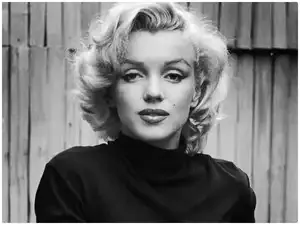
Quote of the Day: Quotes that stand the test of time often carry a simple truth about life, change, and resilience. Many famous lines resonate because they capture emotions people experience during difficult transitions. Among the most memorable reflections on growth and loss is a quote attributed to Marilyn Monroe, whose life story remains one of Hollywood’s most compelling and tragic narratives.
In moments of heartbreak, career setbacks, or personal change, people often turn to words that remind them that endings can also open the door to new beginnings. Monroe’s perspective reflects exactly that idea. Though her life was marked by fame and success, it was also shaped by hardship and uncertainty—making her words about life falling apart particularly meaningful.
The Quote of the Day today by Marilyn Monroe is:
“Sometimes good things fall apart so better things can fall together.”
This short but powerful statement reflects a hopeful way of looking at life’s disruptions. Monroe herself lived through dramatic changes, from an unstable childhood to becoming one of the most recognizable actresses of the 20th century. Her life journey, filled with both triumph and struggle, gives the quote a deeper emotional resonance.
Marilyn Monroe was born Norma Jeane Mortenson on June 1, 1926, in Los Angeles, California. She later adopted the surname Baker, which came from her mother’s name. Her childhood was far from stable. Monroe’s mother was frequently confined in an asylum, which meant that Norma Jeane spent much of her early life moving between foster homes. Over time, she lived with 12 different sets of foster parents and also spent a period in an orphanage.
At the age of 16, she married a fellow worker from an aircraft factory during World War II. The marriage ended shortly after the war. Around this time, she began working as a photographer’s model, which gradually opened the door to the film industry, as per information sourced from Britannica and IMDb.
In 1946, she signed a short-term contract with Twentieth Century-Fox and adopted the stage name Marilyn Monroe. Although her early roles were small, her striking screen presence quickly attracted attention.
Monroe’s early film appearances were modest, but they gradually led to bigger opportunities. A small role in The Asphalt Jungle (1950) generated significant fan mail and helped draw attention to her. Soon afterward, she appeared in All About Eve (1950), which earned her wider recognition and another contract with Fox.
During the early 1950s, Monroe’s career gained momentum through films such as Let’s Make It Legal (1951), Love Nest (1951), Clash by Night (1952), and Niagara (1953). These performances strengthened the studio-crafted image that portrayed her as a glamorous “love goddess.”
Her popularity soared with major box-office successes including Gentlemen Prefer Blondes (1953) and How to Marry a Millionaire (1953). Audiences around the world were captivated by her charm and screen presence, turning Monroe into one of Hollywood’s most recognizable stars, as per information sourced from Britannica and IMDb.
In 1954, she married baseball legend Joe DiMaggio, a union that attracted enormous media attention. However, the marriage lasted less than a year.
Determined to be taken seriously as an actress, Monroe later studied at the Actors’ Studio in New York with Lee Strasberg. Her performances in The Seven Year Itch (1955) and Bus Stop (1956) revealed her ability as a talented comedic and dramatic performer.
In 1956, she married playwright Arthur Miller and briefly stepped away from filmmaking. She later returned to the screen and earned critical praise for her role in Some Like It Hot (1959), which became one of her most acclaimed films.
Her final completed movie was The Misfits (1961), written by Miller during their troubled marriage.
By 1962, Monroe’s life had become increasingly difficult. She began filming the comedy Something’s Got to Give, but frequent illnesses kept her away from the set. In May that year, she traveled to New York City and famously sang “Happy Birthday” to John F. Kennedy at a gala.
Soon afterward, production problems led to her dismissal from the film, although she was later rehired. Work on the project ultimately never resumed.
After months spent largely in isolation, Monroe was found dead on August 5, 1962, in Los Angeles at the age of 36. Authorities determined that she had died from an overdose of sleeping pills, and the death was ruled a probable suicide. Despite the official ruling, speculation and conspiracy theories about her death continued for years, as per information sourced from Britannica and IMDb.
During her career, Monroe appeared in 23 films, which together earned more than $200 million during their original theatrical runs. Her image as a glamorous blonde star gradually evolved into something more complex—a symbol of vulnerability within the pressures of Hollywood fame.
Over time, Monroe became more than just a movie star. She emerged as a lasting pop culture icon, remembered for both her captivating screen presence and the personal struggles that shaped her life.
Even decades after her death, her influence on film, fashion, and celebrity culture remains strong. Monroe continues to represent both the dazzling promise and the darker realities of fame, as per information sourced from Britannica and IMDb.
The meaning behind Monroe’s quote—“Sometimes good things fall apart so better things can fall together”—is rooted in the idea that loss and change are often part of growth.
Life rarely follows a predictable path. Relationships end, opportunities disappear, and plans collapse unexpectedly. Monroe’s words suggest that these moments of breakdown may actually create space for something better to emerge.
Rather than viewing setbacks as permanent failures, the quote encourages people to see them as transitions. When circumstances fall apart, they sometimes clear the way for new experiences, stronger relationships, or personal transformation.
In this way, the quote serves as a reminder that life’s most painful moments can eventually lead to renewal.
Beyond the Quote of the Day, Marilyn Monroe left behind several memorable lines that continue to circulate in popular culture:
“I am good, but not an angel. I do sin, but I am not the devil. I am just a small girl in a big world trying to find someone to love.”
“If you're gonna be two-faced at least make one of them pretty.”
“It's far better to be unhappy alone than unhappy with someone — so far.”
“We should all start to live before we get too old. Fear is stupid. So are regrets.”
“She was a girl who knew how to be happy even when she was sad. And that’s important—you know ”
“No one ever told me I was pretty when I was a little girl. All little girls should be told they're pretty, even if they aren't.”
Together, these reflections capture the mix of confidence, vulnerability, humor, and honesty that defined Monroe’s public voice.
As a Quote of the Day, her words about things falling apart remain especially powerful. They remind readers that even when life feels uncertain, change may be quietly guiding us toward something better.
In moments of heartbreak, career setbacks, or personal change, people often turn to words that remind them that endings can also open the door to new beginnings. Monroe’s perspective reflects exactly that idea. Though her life was marked by fame and success, it was also shaped by hardship and uncertainty—making her words about life falling apart particularly meaningful.
Quote of the Day Today March 6
The Quote of the Day today by Marilyn Monroe is:
“Sometimes good things fall apart so better things can fall together.”
This short but powerful statement reflects a hopeful way of looking at life’s disruptions. Monroe herself lived through dramatic changes, from an unstable childhood to becoming one of the most recognizable actresses of the 20th century. Her life journey, filled with both triumph and struggle, gives the quote a deeper emotional resonance.
Early Life of Marilyn Monroe
Marilyn Monroe was born Norma Jeane Mortenson on June 1, 1926, in Los Angeles, California. She later adopted the surname Baker, which came from her mother’s name. Her childhood was far from stable. Monroe’s mother was frequently confined in an asylum, which meant that Norma Jeane spent much of her early life moving between foster homes. Over time, she lived with 12 different sets of foster parents and also spent a period in an orphanage.
At the age of 16, she married a fellow worker from an aircraft factory during World War II. The marriage ended shortly after the war. Around this time, she began working as a photographer’s model, which gradually opened the door to the film industry, as per information sourced from Britannica and IMDb.
In 1946, she signed a short-term contract with Twentieth Century-Fox and adopted the stage name Marilyn Monroe. Although her early roles were small, her striking screen presence quickly attracted attention.
Rise to Stardom in Hollywood
Monroe’s early film appearances were modest, but they gradually led to bigger opportunities. A small role in The Asphalt Jungle (1950) generated significant fan mail and helped draw attention to her. Soon afterward, she appeared in All About Eve (1950), which earned her wider recognition and another contract with Fox.
During the early 1950s, Monroe’s career gained momentum through films such as Let’s Make It Legal (1951), Love Nest (1951), Clash by Night (1952), and Niagara (1953). These performances strengthened the studio-crafted image that portrayed her as a glamorous “love goddess.”
Her popularity soared with major box-office successes including Gentlemen Prefer Blondes (1953) and How to Marry a Millionaire (1953). Audiences around the world were captivated by her charm and screen presence, turning Monroe into one of Hollywood’s most recognizable stars, as per information sourced from Britannica and IMDb.
In 1954, she married baseball legend Joe DiMaggio, a union that attracted enormous media attention. However, the marriage lasted less than a year.
Determined to be taken seriously as an actress, Monroe later studied at the Actors’ Studio in New York with Lee Strasberg. Her performances in The Seven Year Itch (1955) and Bus Stop (1956) revealed her ability as a talented comedic and dramatic performer.
In 1956, she married playwright Arthur Miller and briefly stepped away from filmmaking. She later returned to the screen and earned critical praise for her role in Some Like It Hot (1959), which became one of her most acclaimed films.
Her final completed movie was The Misfits (1961), written by Miller during their troubled marriage.
Last Year and Tragic Death
By 1962, Monroe’s life had become increasingly difficult. She began filming the comedy Something’s Got to Give, but frequent illnesses kept her away from the set. In May that year, she traveled to New York City and famously sang “Happy Birthday” to John F. Kennedy at a gala.
Soon afterward, production problems led to her dismissal from the film, although she was later rehired. Work on the project ultimately never resumed.
After months spent largely in isolation, Monroe was found dead on August 5, 1962, in Los Angeles at the age of 36. Authorities determined that she had died from an overdose of sleeping pills, and the death was ruled a probable suicide. Despite the official ruling, speculation and conspiracy theories about her death continued for years, as per information sourced from Britannica and IMDb.
Legacy of Marilyn Monroe
During her career, Monroe appeared in 23 films, which together earned more than $200 million during their original theatrical runs. Her image as a glamorous blonde star gradually evolved into something more complex—a symbol of vulnerability within the pressures of Hollywood fame.
Over time, Monroe became more than just a movie star. She emerged as a lasting pop culture icon, remembered for both her captivating screen presence and the personal struggles that shaped her life.
Even decades after her death, her influence on film, fashion, and celebrity culture remains strong. Monroe continues to represent both the dazzling promise and the darker realities of fame, as per information sourced from Britannica and IMDb.
Quote of the Day Meaning
The meaning behind Monroe’s quote—“Sometimes good things fall apart so better things can fall together”—is rooted in the idea that loss and change are often part of growth.
Life rarely follows a predictable path. Relationships end, opportunities disappear, and plans collapse unexpectedly. Monroe’s words suggest that these moments of breakdown may actually create space for something better to emerge.
Rather than viewing setbacks as permanent failures, the quote encourages people to see them as transitions. When circumstances fall apart, they sometimes clear the way for new experiences, stronger relationships, or personal transformation.
In this way, the quote serves as a reminder that life’s most painful moments can eventually lead to renewal.
Iconic Quotes by Marilyn Monroe
Beyond the Quote of the Day, Marilyn Monroe left behind several memorable lines that continue to circulate in popular culture:
“I am good, but not an angel. I do sin, but I am not the devil. I am just a small girl in a big world trying to find someone to love.”
“If you're gonna be two-faced at least make one of them pretty.”
“It's far better to be unhappy alone than unhappy with someone — so far.”
“We should all start to live before we get too old. Fear is stupid. So are regrets.”
“She was a girl who knew how to be happy even when she was sad. And that’s important—you know ”
“No one ever told me I was pretty when I was a little girl. All little girls should be told they're pretty, even if they aren't.”
Together, these reflections capture the mix of confidence, vulnerability, humor, and honesty that defined Monroe’s public voice.
As a Quote of the Day, her words about things falling apart remain especially powerful. They remind readers that even when life feels uncertain, change may be quietly guiding us toward something better.