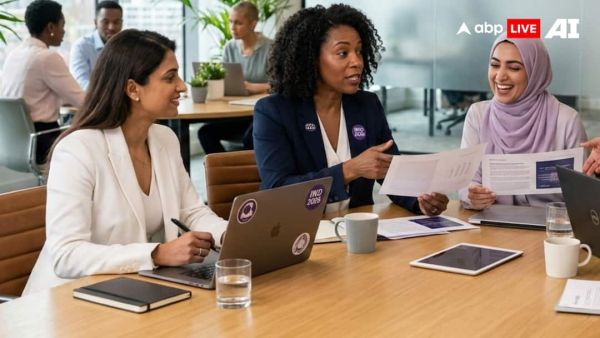
Just like every year, March 08, 2026 will witness many organizations across the world ‘celebrating’ Women’s Day with the same symbolic gestures such as panel discussions, appreciation posts and wellness webinars. While these efforts may signal intent, organizations world over continue to carry structural gaps in safety, health, career progression, and psychological support for female colleagues in the workforce. The real question for employers is no longer how to celebrate Women’s Day but how to embed women’s wellbeing into year-round health strategies and initiatives that can shift the conversation from celebration to commitment.
Recognizing The Complexity Of Women’s Workplace Experiences
It must be recognized that every woman’s workplace experience can never be uniform. Biological age and life-stage related health transitions, caregiving responsibilities, safety concerns, career interruptions, and social expectations often intersect with professional demands. Organizations that are able to acknowledge this complexity and act accordingly, can move from one-day visibility to year-round support more easily.
Expanding The Scope Of Women’s Health In Corporate Wellbeing
One of the best starting points in this regard is to ensure that there are enough women employees represented in health strategy formulation. Women’s health issues, in particular, have been poorly represented in corporate health initiatives, with maternity being the main focus. Today, we are able to expand this perspective to include issues of menstrual health, fertility, menopause, metabolic problems, musculoskeletal disorders, and, of course, mental health. Ensuring access to gender-sensitive preventive screening, counseling, ergonomics, and flexible leave policies sends a powerful message that women’s health is not just about the individual; it’s about the organization. Of course, this also means that health benefits are communicated in a way that does not stigmatize, promotes awareness, and facilitates utilization.
Flexibility As A Workforce Design Strategy
Flexibility is the other important aspect that forms the basis of supportive action. Flexible working arrangements should not be perceived as being for women but rather as being for the organization. Hybrid working, predictable shift patterns, the use of phased return to work for women who have been away from the workplace for caregiving, and the measurement of performance metrics for women all ensure that women are able to have successful working lives through the life cycle. Organizations that implement flexibility, rather than leaving it to the discretion of the manager, have better retention and engagement.
Closing The Gap In Career Progression
Career progression is perhaps the point at which symbolic intent meets reality. Many organizations have invested heavily in the hiring of women but have not invested enough in their progression. Programs such as transparent promotion criteria, sponsorship, leadership programs, and ‘second innings’ programs for women returning to the workforce ensure that women make it to the top. Women not only need mentors but also leaders who can ensure their visibility and opportunities for growth. Sponsorship of such programs by senior leaders is therefore important.
Building Psychological Safety At Work
Psychological safety is another non-negotiable imperative. Female employees frequently navigate micro-bias, self-doubt, and invisible workload burdens. Regular listening mechanisms like pulse surveys, safe reporting channels, focus groups, and leadership dialogues, help surface lived experiences that data alone cannot capture. Training managers to recognize bias, distribute opportunities equitably, and respond to health or caregiving disclosures with empathy transforms workplace culture more than awareness campaigns ever can.
Safety, Infrastructure, And Workplace Dignity
The importance of safety and infrastructure is fundamental. However, it is often overlooked in the larger narrative of corporations. Safe commute, facilities, transport, rest spaces, and sanitation are important in ensuring maximum attendance. In the context of frontline and retail employees, these are important factors. Supporting Women Across Life Stages
Another emerging dimension is life-stage support. Women’s needs evolve throughout their careers - early career confidence building, mid-career caregiving pressures, leadership readiness (and organizational recognition of the same), and late-career menopause support. Organizations that map these transitions can design targeted interventions rather than generic one-size-fits-all programs. This life-course approach also prevents talent leakage at inflection points.
Using Data To Drive Gender-Responsive Policies
However, it must be clear that data is what needs to guide these efforts. Gender-segmented analysis of absenteeism, health risks, attrition, promotion velocity, pay equity, and engagement scores allows organizations to move beyond possibly biased assumptions. When leadership reviews these metrics with the same rigor as financial indicators, women’s wellbeing becomes a strategic priority rather than a human resources initiative.
Ensuring Gender Equity Is A Shared Responsibility
One of the most important factors in developing successful Women’s Day strategies is incorporating men. Gender equity cannot be seen as a women’s issue. Educating male leaders and team members on caregiving equity, communication equity, and shared accountability is essential in normalizing changes. By using flexibility, parental leave, and well-being programs across genders, stigma is removed and organizational strength is enhanced.
Communicating Progress With Transparency
Communication is important - Women’s Day messaging should highlight policies, progress metrics, and future commitments, and not just appreciation. Employees trust organizations that demonstrate continuity between expressed words and actual experience at the workplace. Publishing goals, timelines, and accountability frameworks builds credibility internally and externally.
From One-Day Celebration To Year-Round Commitment
Ultimately, meaningful Women’s Day initiatives are less about events and more about intent-driven action. They require organizations to redesign policies, change leadership behaviors, develop inclusive health strategies, and implement measurement through a gender-informed lens. The return is not only social impact but business value with stronger retention, broader leadership diversity, reduced health risk, and improved employee trust being the outcomes.
Disclaimer: The information provided in the article is shared by experts and is intended for general informational purposes only. It is not a substitute for professional medical advice, diagnosis, or treatment. Always seek the advice of your physician or other qualified healthcare provider with any questions you may have regarding a medical condition.
-
Women's Day 2026: Women get these important legal rights after divorce, every woman should know..

-
Women's Day: Every woman should have these 3 safety apps on her mobile, they will get immediate help in times of trouble..

-
Five Indian Captains To Lead Team India Into World Cup Finals

-
Dhurandhar 2 Trailer: Ranveer Singh Says ‘Told You It Was Personal’, Declares ‘India Will Decide The Future Of Pakistan’

-
Dubai Airport Temporarily Shuts Operation After Reported Explosion Sound, Emirates Cancels Flights