
The mother of a five-year-old boy who died from anaphylactic shock after mistakenly being given cow's milk at school has called on Labour MPs not to vote against a new law which could save the life of a child. Helen Blythe's son Benedict collapsed at Barnack Primary School in Stamford, Lincolnshire, in December 2021. He vomited twice before dying later in hospital.
An inquest in 2025 into Benedict's death found the cause to be anaphylaxis from cow's milk protein given to him at school despite it being a known allergy, combined with lack of training, sharing of information, recognition of symptoms, and medication being administered too late to save his life. The school did not have spare allergy pens, provide allergy training to the staff providing his care, or have an allergy policy in place when he started school in 2021.
EpiPens (adrenaline auto-injector) work by injecting a dose of the body's natural hormone adrenaline which helps rapidly constrict the blood vessels which become dangerously dilated by an allergic reaction. For four years Helen and her family have been campaigning for Benedict's Law, which calls for spare allergy pens, allergy training, and allergy policies in every school.
The Department for Education (DfE) announced last week it would support the recommendations of Benedict's Law, with new statutory guidance for schools. But crucially many schools would be asked to fund equipment and training themselves, something education unions say should be funded by the Government and not already stretched individual school budgets.
But tonight (Monday) an amendment to the Children's Wellbeing and Schools Bill will ask MPs to write Benedict's Law into legislation and ensure schools are funded to implement them.
But it's understood Labour MPs are being whipped to vote against the amendment as the DfE said "auto-injectors will soon become outdated". However, Conservative MP Alicia Kearns urged "every MP to do the right thing, and vote to save children's lives".
Helen Blythe welcomed the new statutory guidance, but said there was still a big question over why Labour would not help schools fund the extra life-saving support for schools.
"They're saying that they care about the education system, they want to make things more inclusive, they want a level playing field that means that everyone can have the same access, they want to support children in more deprived areas, and they want there to be greater accessibility for children," she said.
"Having something that still creates that divide where some schools could go further and faster because they have the money to do so and some lag behind doesn't speak to what they say is important to them.
"And so I think there is a bit of kind of putting your money where your mouth is in this, you say this is important, show us, who can be against saving children's lives? It's one of those things where universally people think making schools safe for children with allergies is a good thing."
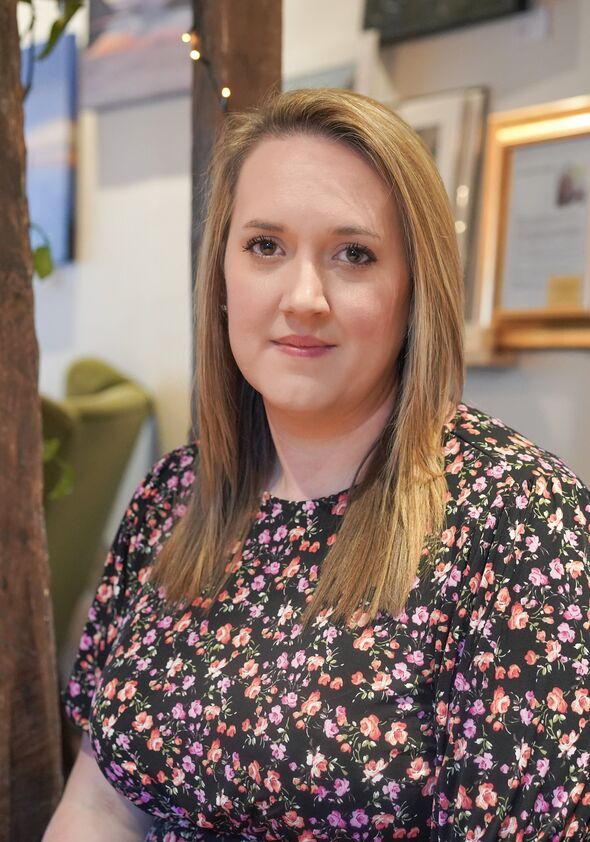
Mrs Blythe said that as part of the campaign the foundation submitted freedom of information requests to 20,000 schools and found that half of them didn't have auto-injectors. Food allergies affect around seven per cent of children worldwide, equivalent to roughly two pupils in every classroom. In England around 680,000 school-aged children live with a food allergy.
Data shows that approximately 18% of food allergy reactions and around a quarter of first-time anaphylactic reactions occur in schools and around 30% of allergic reactions in schools occur in children previously undiagnosed with an allergy. Hospital admissions for food anaphylaxis in UK children have risen significantly over the past two decades and nearly 3 million school days are lost every year due to allergies.
Mrs Blythe added: "They're just saying to schools to kind of rustle up the funds, with about six weeks notice to find at least £350 for each auto-injector, plus the cost of the training.
"When we did the Freedom of Information request we found that schools that had lower Ofsted rating typically had lower rates of allergy policies and allergy pens.
"And that's not surprising because if they're also facing kind of various other battles that mean that they're lower performing, such as workforce shortages or whatever might be playing a part in that, then obviously allergies aren't going to be at the top of the list, but that's the problem.
"If you happen to be in a school, typically in a more deprived area, typically where there's low Ofsted ratings and the kind of correlations between those two things, then it means that you're kind of further deprived by having less access to those kind of measures.
"We also know that children that are in more deprived areas, they're less likely to have a GP and be seen by a GP to therefore have their own pens and so they have higher rates of hospital attendance.
"That means that essentially there's a postcode lottery now and that impacts typically people who are more vulnerable and children who are vulnerable."
*** Ensure our latest news headlines always appear at the top of your Google Search by making us a Preferred Source. Click here to activate or add us as Preferred Source in your Google search settings. ***

Modelling from Dr Paul Turner of Imperial College London for the Benedict Blythe Foundation discovered £9,000,640 per year is currently spent on additional adrenaline auto-injectors prescribed to children to take into school individually. The research found that by altering the distribution model, the new measures outlined in Benedict's Law could be delivered while saving the treasury over £1million (£1,032,150).
Alicia Kearns MP, who drafted a previous amendment passed in the House of Lords, said "On Monday night MPs have the chance to make sure no other family suffers as Helen's has.
"The Government is whipping its MPs against this amendment on Monday night. I urge Ministers to think again, and urge every MP to do the right thing, and vote to save children's lives.
"Just as we don't ask schools to fundraise for fire extinguishers or defibrillators -- we should not leave schools to find the money to keep children with allergies safe. These changes can be funded without costing the Treasury a penny more.
"I welcome the statutory guidance published this week. But let's be honest, it was rushed out in direct response to our amendment, in the hope it would take the wind out of our sails and prevent MPs voting for our amendment and Benedict's Law in its entirely.
"The Government plans to whip its MPs against this amendment on Monday night. I urge Ministers to think again. Benedict's Law will save lives and save money, and voting against it is impossible to justify to the parents of every child with a severe allergy in this country. Do the right thing. Support the amendment, or I call on the Government to lay its own and we will support it if it delivers Benedict's Law."
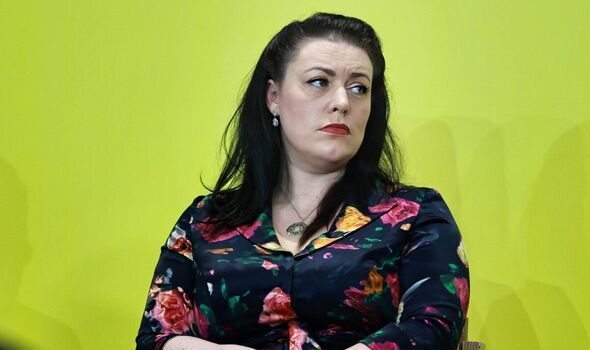
Daniel Kebede, general secretary of the NEU teaching union said "Schools maintaining a supply of spare allergy pens could save the life of a child who has left their device at home or who experiences their first severe allergic reaction at school.
"We would, however, urge the government to provide additional funding to cover this as the devices need to be bought from pharmacies and regularly checked against expiry dates."
A DfE spokesperson said: "There is nothing more important than the safety of our children and we recognise allergy safety requires the strongest possible protection, that's why we are legislating to make this happen.
"We will be bringing forward our own amendment which will see all schools required by law to have an allergy safety policy and give the Education Secretary the power to introduce further regulations on allergy safety if needed.
"Auto-injectors will soon become outdated, so our amendment will ensure regulations can keep pace with advancements in technology rather than quickly becoming unworkable.
"This will deliver the key protections for children with allergy - and the flexibility for our requirements to evolve as clinical advice changes."
-
King Charles ignores furious protestors as he leads Royal Family at Commonwealth Service
-
BBC chef forced to close Michelin star restaurant after 16 years

-
The hierarchy of sympathy: Why some mental health condition are less understood

-
Explained: What is Microsoft Copilot Cowork, and how does it work
-
Liverpool dream but Arsenal get Man City nightmare - FA Cup quarter-final draw simulated