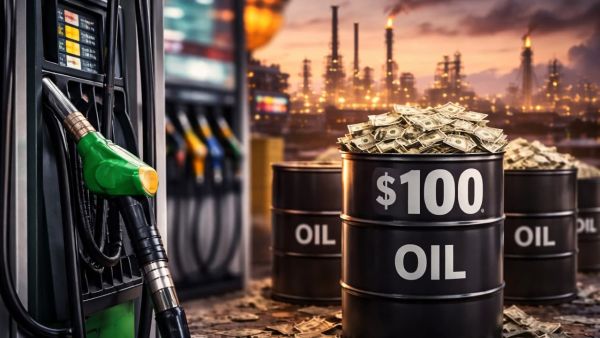
Global oil prices experienced extreme volatility, surging above $115 per barrel before crashing within 24 hours. The initial spike was driven by geopolitical tensions in the Middle East, which fueled fears of supply disruptions, prompted speculative buying.
Global oil markets experienced one of the most dramatic swings in recent months as crude prices surged above $115 per barrel before plunging sharply within just 24 hours. The rapid rise and fall in prices highlighted how sensitive energy markets have become to geopolitical developments, supply concerns and shifting investor sentiment.
The spike was largely driven by escalating tensions in the Middle East, a region that remains central to global oil production and shipping. As fears of supply disruption intensified, traders rushed to secure oil contracts, pushing prices sharply higher. However, a sudden shift in expectations about the conflict’s trajectory and potential supply measures triggered an equally rapid correction.
Geopolitical tensions fuel the initial surge
The first trigger behind the surge in oil prices was rising geopolitical uncertainty. Heightened conflict risks in West Asia raised fears that global oil supplies could be disrupted, particularly if shipping routes or key infrastructure were affected.
One of the most critical concerns was the Strait of Hormuz, a narrow but strategically vital waterway through which a massive share of the world’s oil shipments travels. Roughly one-fifth of global oil supply passes through this chokepoint each day, making it one of the most important routes in global energy trade. Any threat to the strait can immediately push oil prices higher because markets anticipate shortages or shipping delays.
As tensions escalated, traders began factoring in the possibility of reduced supply from the region. Oil markets typically react quickly to geopolitical risks because disruptions—even temporary ones—can have cascading effects on global fuel availability.
In addition to geopolitical concerns, production cuts by some oil-producing countries added to supply fears. Reports indicated that certain producers in the region were reducing output, which tightened available supply and pushed prices higher. Combined with shipping risks and logistical disruptions, these factors created a perfect storm for a sudden surge in crude prices.
The result was a sharp rally that pushed Brent crude close to $119 per barrel, the highest level in several months and one of the steepest short-term increases in recent years.
Panic buying and speculative trading
Another important factor behind the spike was speculative activity in the commodity markets. When geopolitical tensions intensify, traders often move quickly to hedge against potential supply shocks by buying oil futures.
This wave of buying can amplify price movements, especially when markets are already nervous. Investors and energy traders began stockpiling contracts to protect themselves from possible shortages or future price increases.
Such speculative momentum often drives prices beyond what underlying supply-and-demand fundamentals might justify. In times of uncertainty, traders are willing to pay a premium for energy security, which can lead to rapid price spikes.
For major oil-importing countries such as India, these sudden jumps in prices are particularly worrying. India imports a large share of its crude requirements, meaning any sharp increase in global prices directly raises its import bill and can fuel inflation. Analysts warn that prolonged oil prices above $100 per barrel could widen fiscal deficits and increase economic pressure on energy-dependent economies.
The sudden crash: What changed in 24 hours
Despite the dramatic surge, oil prices quickly reversed course and crashed within a day. The decline was triggered by a combination of political signals, market correction and expectations of supply intervention.
One major factor was the easing of immediate fears about the conflict escalating further. Statements suggesting that hostilities might not spiral into a prolonged regional war reduced the perceived risk to energy supply routes.
When geopolitical fears begin to subside—even slightly—oil traders often unwind their speculative positions quickly. As traders rushed to sell contracts they had purchased during the panic rally, prices fell sharply.
Another factor behind the decline was the possibility of coordinated action by major economies to stabilize the oil market. Discussions around releasing strategic petroleum reserves or increasing production can quickly calm markets by assuring traders that supply shortages will be managed.
Large oil-producing countries also have the capacity to adjust production levels if prices become too volatile. The expectation that producers might intervene to prevent excessive price spikes contributed to the rapid cooling of the market.
Impact on global markets and economies
The wild swings in crude oil prices sent shockwaves through financial markets worldwide. Rising energy costs typically pressure stock markets because they increase production expenses for businesses and reduce consumer purchasing power.
In India, analysts warned that sustained high crude prices could negatively affect economic growth. Oil prices above $115 per barrel could push inflation higher, widen the current account deficit and weigh heavily on industries such as aviation, automobiles, chemicals and paints that rely heavily on petroleum products.
Financial markets reacted sharply to the volatility. Stock indices across several countries fell as investors worried about the economic consequences of prolonged energy price shocks.
Currency markets also responded to the turbulence. Countries that depend heavily on oil imports often see their currencies weaken when crude prices surge because they must spend more foreign exchange on energy purchases.
Why oil markets remain highly volatile
The dramatic 24-hour price swing illustrates how fragile the global energy market currently is. Several structural factors are contributing to this volatility.
First, geopolitical tensions remain elevated in multiple regions that are critical for energy supply. Any disruption in these areas can quickly move markets.
Second, global oil supply chains are still adjusting after years of pandemic-era disruptions, sanctions and production changes. This means the market has less buffer capacity to absorb shocks.
Third, financial trading has become a significant driver of commodity prices. Large volumes of speculative trading can amplify both upward and downward price movements.
What happens next?
Energy analysts say the direction of oil prices will largely depend on geopolitical developments and supply decisions by major producers.
If tensions in the Middle East escalate further or shipping routes are threatened, prices could rise again rapidly. Conversely, diplomatic breakthroughs or increased production could stabilize the market.
For now, the dramatic spike and crash in oil prices serve as a reminder of how interconnected global energy markets are—and how quickly geopolitical developments can ripple through the world economy.
-
Everything you need to know about HMRC 'two-year rule' that 'risks double tax'

-
Accounts of millions of WhatsApp and Signal users may have been hacked, a new warning has been issued.

-
Gardeners' World star shares huge baby news and picture of new arrival

-
Gardeners' World star shares huge baby news and picture of new arrival
-
Brits reveal top 30 pearls of wisdom shared by their mums for navigating life