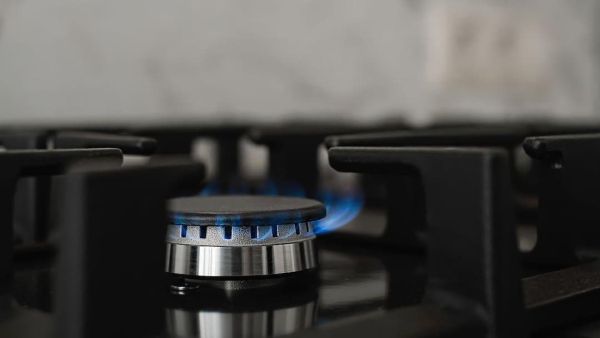
India’s three state-run oil marketing companies, Indian Oil Corporation (IOC), Bharat Petroleum Corporation Limited (BPCL), and Hindustan Petroleum Corporation Limited (HPCL), have outlined a set of measures aimed at stabilising LPG supply as global energy markets face disruption due to geopolitical tensions.
The announcement follows directions issued by the Ministry of Petroleum and Natural Gas, which earlier flagged emerging pressure on fuel supply chains and asked refiners and oil marketing companies to prioritise domestic requirements.
The latest communication from the public sector oil companies details operational steps being taken to ensure uninterrupted supply to households and critical services, while also setting up a review mechanism to manage requests from commercial users.
Focus On Protecting Household LPG Supply
The OMCs said that higher LPG production has been initiated in response to disruptions affecting global fuel supply chains. The move comes after the petroleum ministry directed refineries to increase production and divert additional volumes for domestic consumption.
“In light of current geopolitical disruptions to fuel supply and constraints on supply of LPG, Ministry has taken the step for higher LPG production and securing it for supplying to domestic customers,” the companies said in a joint communication.
Ensuring the availability of LPG cylinders to households remains the government’s top priority, especially at a time when global energy markets are witnessing volatility. Domestic cooking gas demand forms the backbone of India’s LPG consumption, making supply continuity a key policy objective.
Alongside maintaining household supply, the oil companies have also committed to supporting sectors considered essential to public welfare.
Priority Supply For Hospitals And Institutions
The companies said LPG supplies will continue to be provided as required to essential non-domestic sectors such as hospitals and educational institutions.
“Along with ensuring supplies to all domestic customers, it has been decided to make supplies as per requirement to the essential non-domestic sectors such as hospitals, educational institutions, etc.,” the companies said.
These sectors rely heavily on LPG for daily operations, and an uninterrupted supply is considered critical for maintaining healthcare services and institutional facilities.
However, the companies acknowledged that supply constraints may affect other commercial consumers that depend on LPG, including restaurants, hotels and small industries. To manage this situation, a formal review process has now been established.
OMC Committee Formed To Review Commercial Requests
To address requests from non-essential commercial sectors, the oil marketing companies have constituted a committee comprising three Executive Directors from IOC, BPCL and HPCL.
The committee will evaluate representations from organisations seeking LPG supply and will prioritise allocations depending on the urgency of requirements and availability of product.
The members of the committee include K Sailendra of Indian Oil Corporation Limited, TV Pandiyan of Bharat Petroleum Corporation, and Dhruv Kapil of Hindustan Petroleum Corporation.
Requests can be submitted to the committee through the following official email channels:
indanecareho@indianoil.in (Indian Oil)
edlpg@bharatpetroleum.in (Bharat Petroleum)
Ipg.sbu.head@hpcl.in (Hindustan Petroleum)
The companies clarified that the committee would review requests on a case-by-case basis.
“For LPG supply to other non-domestic sectors, a committee of three Executive Directors of Oil Marketing Companies have been constituted to review the representations and prioritise the LPG supply,” the companies said.
Supply Depends On Imported LPG Availability
The oil companies also noted that commercial LPG supply is closely linked to imports, which remain subject to fluctuations in global energy markets.
“Since non-domestic LPG supply depends on the availability of imported products, the committee may not be able to address every grievance,” the statement said.
Requests from industries and businesses will therefore be assessed based on product availability and the urgency of demand. Final decisions will depend on the broader supply situation.
Government Measures To Prevent Misuse
These steps are part of a broader policy response outlined earlier by the petroleum ministry to safeguard LPG availability during the ongoing energy disruption.
According to the ministry, additional safeguards have been introduced to prevent hoarding and misuse of household LPG cylinders. One such measure is a 25-day inter-booking period between LPG cylinder orders, aimed at discouraging black marketing and ensuring fair distribution.
The ministry has also redirected imported LPG supplies towards essential services where required.
“Non domestic supplies from imported LPG is being prioritised to essential non domestic sectors such as Hospitals and Educational institutions,” the ministry said in its earlier statement.
The formation of the review committee reflects the government’s attempt to balance competing energy needs during a period of supply uncertainty.
While household LPG supply remains protected, sectors that rely on commercial LPG are expected to face tighter allocation until global supply conditions stabilise.
-
Archaeologists Discover A 150-Year-Old Mystery Alcohol Bottle In Utah, Reveal Its Taste

-
Can Menstrual Blood Reveal Cancer, PCOS & Diabetes? 9 Health Insights

-
All the work of mosquitoes! Make 100% natural ‘mosquito repellent’ at home; Say bye-bye to market coils and liquids

-
Technology is playing a major role in media entertainment sector: Ashwini Vaishnav
-
Don’t make AI a lawyer, use ‘Artificial Intelligence’ wisely, strict warning from HC judges