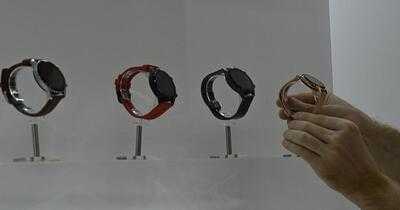
Half of people in the UK use a wearable device, such as a fitness tracker or smartwatch. These devices collect data relating to health and physical activity levels – including heart rate, step count and sleep quality. With the emergence of AI, such devices will probably become even more sophisticated – potentially able to diagnose our health problems before our GP.
But while wearables can be really useful when it comes to understanding many aspects of your heart health, they still have many shortcomings – so it’s important not to rely on them for everything.
A key strength of modern wearables is the fact that they record such a wide range of useful data, and track trends over time. This makes them perfect for measuring whether any lifestyle changes you’ve made are working for you, and what effects they might be having. For instance, your wearable can tell you if your health kick has had a measurable affect on your sleep quality or blood pressure.
In addition to measuring step count and physical activity, many of the most commonly worn wearables collect cardiovascular data via photoplethysmography (PPG). This is where a light located at the back of the wearable interacts with tiny blood vessels in the skin to...
Read more
-
Nagaland State Lottery Result: March 15, 2026, 8 PM Live - Watch Streaming Of Winners List Of Dear Magic Sambad Night Sunday Weekly Draw

-
Keir Starmer earns humiliating new reputation by Labour colleagues as passive PM

-
Sanju Samson Reflects on T20 World Cup Triumph: A Journey Like No Other

-
Rajnath Singh Advocates for Public-Private Partnerships to Boost India's Sports Economy

-
Households with microwaves face £10.81 charges from April