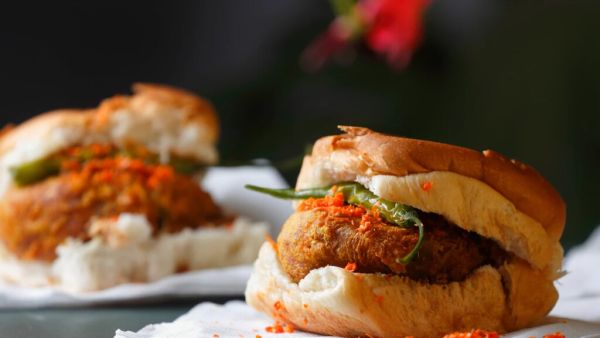
Maharashtra’s street food is bold and vibrant. In Mumbai and Pune, the aroma of frying oil, buttered pav, and roasted spices fills the air. Vendors shout “garam garam vada pav,” while spatulas scrape griddles and bhel puri crunches. This isn’t just food; it’s theatre, survival, and comfort, deeply Maharashtrian. Born from the necessity for workers and commuters, these dishes became cultural icons. Vada pav rose from a ₹0.15 snack to a global favourite. Misal pav and pav bhaji evolved into regional staples with devoted fans. Here are ten Maharashtrian street foods everyone should try once.
1. Vada Pav: The People’s Burger
If Maharashtra had a national dish, it would be vada pav. This is the snack that defines Mumbai. A spiced potato fritter (batata vada) dipped in chickpea flour batter, deep-fried until golden and crispy, then stuffed into a soft white pav with three essential accompaniments: dry garlic chutney, green coriander-mint chutney, and sweet tamarind chutney. A fried green chilli on the side completes the experience.
The Story: Ashok Vaidya, a street vendor near Dadar station in the early 1970s, created vada pav to feed hungry textile mill workers who needed something portable, affordable, and filling. Back then, it cost ₹0.10-0.15. The Shiv Sena political party later promoted it as the ideal working-class snack, even organizing “vada pav sammelans” (jamborees) across the city. Today, it’s sold everywhere, from street corners to fancy restaurants.
What Makes It Special: The contrast. Crispy exterior giving way to soft, spiced potato. The sharp bite of dry garlic chutney cuts through the richness. The soft pav is soaking up all the flavors without falling apart. It’s simple but perfect.
Where to Eat: Ashok Vada Pav (opposite Kirti College, Dadar West) is the original. But honestly, almost every Mumbai street corner has a decent vada pav stall. Look for crowds; Locals know what’s good.
2. Misal Pav: The Spice Bomb
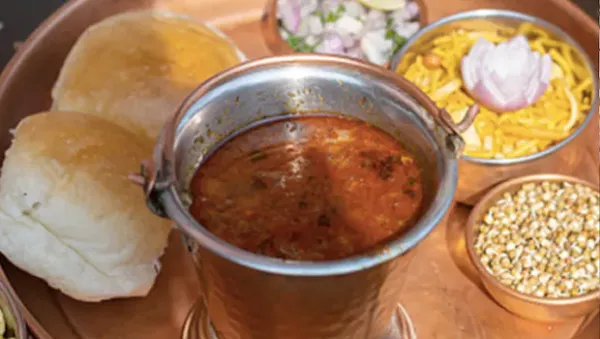
Misal pav is not for the faint-hearted. This is a spicy sprouted lentil curry topped with farsan (crunchy fried mix), chopped onions, coriander, and lemon, served with buttered pav on the side. The curry is made by cooking sprouted moth beans with onions, tomatoes, and a fiery spice blend that varies by region.
Regional Variations: Kolhapuri misal is famous for being dangerously spicy, the kind that makes you sweat and question your life choices, but keeps you coming back. Pune misal is slightly milder with more farsan on top. Nashik misal has a tangier profile.
What Makes It Special: The textures. The soft sprouted lentils in spicy gravy. The crunchy farsan adds bite. The fresh onions provide sharpness. And the pav is soaking up all that fiery, flavourful curry. It’s also surprisingly nutritious, sprouted lentils are packed with protein.
When to Eat: Misal pav is traditionally a breakfast dish, though you’ll find it served all day. Morning misal hits different—it wakes you up more effectively than coffee.
Where to Eat: Aaswad (Dadar West, opposite Shivaji Park, Mumbai) and Bedekar (Pune) are legendary.
3. Pav Bhaji: Butter on Butter on Vegetables
Pav bhaji is Maharashtra’s answer to comfort food. A spiced vegetable mash (bhaji) cooked with absurd amounts of butter, served with pav that’s been toasted on the same griddle and slathered with even more butter. The bhaji contains mashed potatoes, tomatoes, peas, cauliflower, and capsicum, all cooked down with pav bhaji masala until they form a thick, rich gravy.
The Story: Invented in the 1850s by Mumbai street vendors who needed to use up leftover vegetables at the end of the day. They mashed everything together with spices and butter, creating an affordable meal for textile mill workers who worked late shifts. What was necessary became iconic.
What Makes It Special: The butter. Seriously, the more butter, the better. Good pav bhaji vendors don’t skimp—they add it generously while cooking the bhaji, then again while toasting the pav, then again as a final dollop on your plate. The result is rich, indulgent, and impossible to stop eating.
How to Eat: Mix the bhaji and pav on your plate. Some people like eating them separately—pav dipped into bhaji, but mixing creates the full experience.
Where to Eat: Sardar Refreshments (Tardeo Road, near Elphinstone Bridge, Mumbai) has been serving legendary pav bhaji since the 1960s.
4. Bhel Puri: The Beach Snack
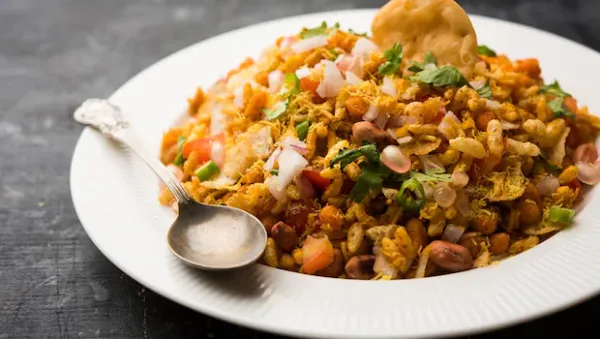
Photo Credit: iStock
Bhel puri is Mumbai’s official beach snack. A mix of puffed rice, sev (crispy chickpea noodles), chopped onions, tomatoes, boiled potatoes, and sometimes raw mango, all tossed together with tamarind chutney and green chutney, finished with coriander and lemon juice. It’s served in paper cones or on small plates.
What Makes It Special: The textures. Puffed rice stays crispy. Sev adds crunch. Soft potatoes provide substance. Fresh vegetables give bite. And the chutneys coat everything with sweet, spicy, tangy flavours. Every mouthful is different.
The Rule: Eat bhel puri immediately. The moment the chutneys hit the puffed rice, the clock starts. You have maybe 5-10 minutes before everything gets soggy. This is why vendors make it fresh for each customer.
Where to Eat: Any beach in Mumbai, Juhu, Chowpatty, Girgaon, has excellent bhel puri vendors. Babulnath Bhel (near Hanging Garden) is also famous.
5. Pani Puri: The Flavor Explosion
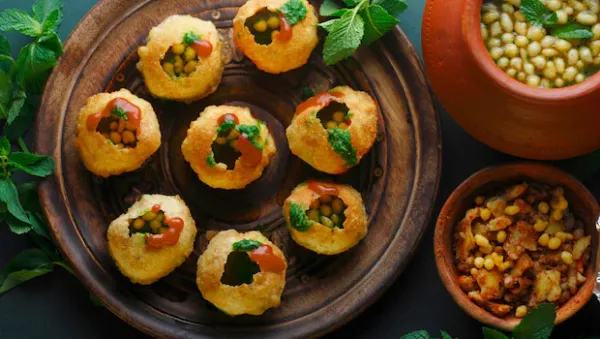
Photo Credit: iStock
Called gol gappa in Delhi and phuchka in Kolkata, Maharashtra’s pani puri consists of hollow, crispy puris filled with spiced water (pani), along with boiled potatoes, chickpeas, and chutneys. The magic happens when you pop the entire puri into your mouth, it bursts, releasing a flood of sweet, tangy, spicy water.
The Experience: You don’t eat pani puri sitting down. You stand at the vendor’s cart. They hand you one puri at a time, already filled. You eat it in one bite. Immediately, they hand you the next one. This continues until you signal to stop or the vendor runs out.
The Variations: Most vendors offer both teekha (spicy) and meetha (sweet) pani. Some alternate between them. The truly brave go full teekha. The cautious stick with meetha. The smart ones get a mix.
Where to Eat: Mobile carts near colleges, offices, and markets. The best pani puri comes from vendors with the longest queues.
6. Ragda Pattice: The Hearty Snack
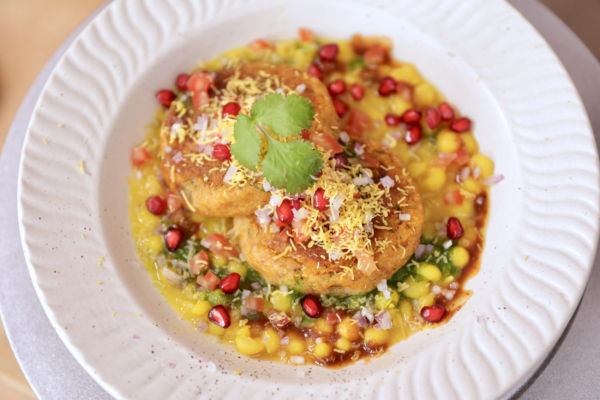
Ragda pattice bridges the gap between snack and meal. It’s crispy potato patties (pattice) topped with spicy white pea curry (ragda), finished with chutneys, sev, chopped onions, and coriander. The contrast between the crispy pattice and soft ragda creates a satisfying texture combination.
What Makes It Special: It’s filling without being heavy. The white pea curry provides protein. The potato patties add comfort. And the chutneys and toppings bring all the classic chaat flavours, sweet, tangy, spicy, and crunchy.
When to Eat: Evening is ideal. Ragda pattice is substantial enough to tide you over until dinner, but not so heavy that you can’t eat later.
Where to Eat: Juhu Chowpatty and other Mumbai food lanes, especially in the evening.
7. Sabudana Vada: The Fasting Favorite
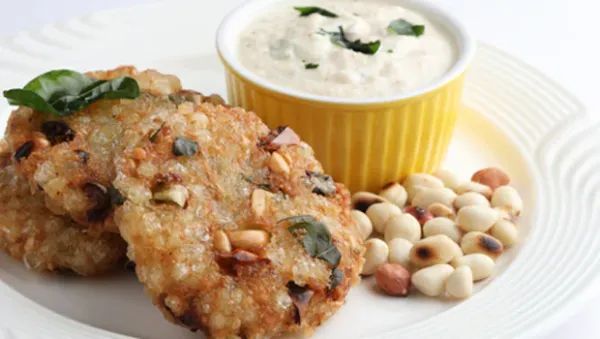
Sabudana vada is made from soaked tapioca pearls, mashed potatoes, crushed roasted peanuts, and spices (ginger, green chillies, coriander), formed into patties and deep-fried until golden and crispy. The result is crunchy outside, soft and slightly chewy inside.
The Fasting Connection: Sabudana (tapioca) is allowed during Hindu fasting days like Navratri, making these vadas a popular fasting snack. But they’re so delicious that people eat them year-round.
What Makes It Special: The texture. When done right, sabudana vadas have an exterior crunch from the fried peanuts and a unique, slightly chewy interior from the tapioca pearls. They’re unlike any other fried snack.
How to Eat: Served hot with yogurt or green chutney on the side.
8. Kanda Bhaji: The Monsoon Companion
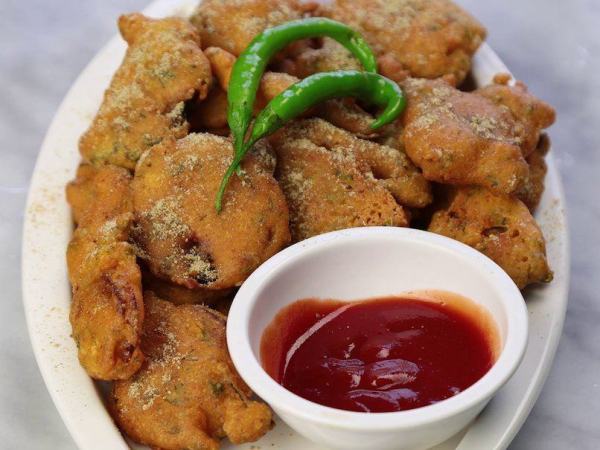
Kanda bhaji (onion fritters) are sliced onions mixed with chickpea flour batter and spices (turmeric, chilli powder, carom seeds), then deep-fried until golden and crispy. They become especially popular during the monsoon season.
The Monsoon Tradition: There’s something about rain that makes Indians crave fried food. Kanda bhaji with hot masala chai is a monsoon ritual across Maharashtra. The combination of crispy, hot bhajis and steaming tea while rain pours outside is pure comfort.
What Makes It Special: The onions release their natural sweetness when fried, which balances the spices in the batter. Good kanda bhaji should be crispy outside and have distinct onion layers inside, not a dense, doughy mess.
How to Eat: With green chutney or tamarind sauce, accompanied by hot chai.
9. Poha: The Breakfast Champion
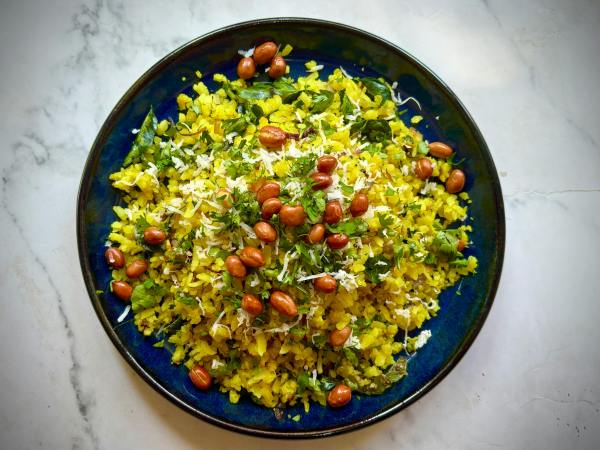
Poha is flattened rice flakes sautéed with mustard seeds, curry leaves, turmeric, green chillies, and onions, topped with roasted peanuts, fresh coriander, and lemon. It’s light, fluffy, and mildly spiced.
What Makes It Special: Poha is the rare Indian breakfast that’s both filling and light. It doesn’t sit heavily in your stomach like parathas but keeps you satisfied until lunch. The combination of soft rice, crunchy peanuts, and fresh lemon creates a refreshing morning meal.
The Variations: Kanda poha (with lots of onions), batata poha (with potatoes), dadpe poha (uncooked, just soaked and mixed), and indori poha (with sev and pomegranate).
When to Eat: Morning, always. Poha is a breakfast food. Eating it any other time feels wrong.
10. Thalipeeth: The Multigrain Powerhouse
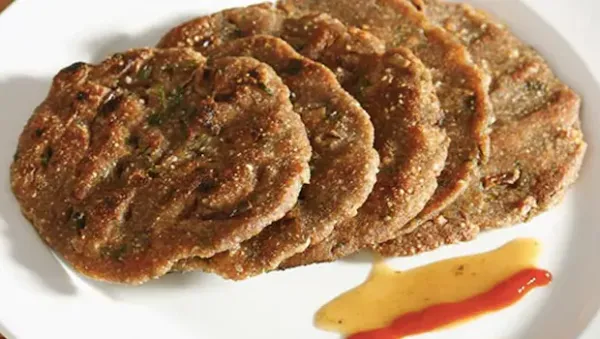
Photo Credit: iStock
Thalipeeth is a thick, savory pancake made from a mixture of different flours (rice, jowar, bajra, wheat, chickpea) mixed with spices, grated vegetables (onions, carrots, coriander), and cooked on a tawa until crispy. It’s nutritious, filling, and deeply traditional.
What Makes It Special: Unlike regular parathas or dosas, thalipeeth uses multiple grains, making it more nutritious and giving it a complex, earthy flavour. The vegetables mixed into the dough add moisture and flavour. It’s comfort food that’s actually good for you.
How to Eat: With white butter and yoghurt, or with thecha (a spicy chutney made from green chillies, garlic, and peanuts).
Where to Try: Home-style restaurants serving Maharashtrian food, or from vendors who specialize in traditional breakfast items.
Final Thoughts
Maharashtrian street food is bold, unapologetic, and satisfying, not delicate or Instagram-perfect. Created for real people needing real flavours, vada pav was for textile workers, misal pav for early commuters, and pav bhaji for using up waste vegetables. These dishes, born from humble origins, have become icons, found from street corners to five-star menus. Yet, the best versions remain on the streets. In Maharashtra, skip fancy restaurants for one meal. Find a crowded stall, order a vada pav, let the chutney burn your tongue, and watch the vendor work efficiently. That’s when you’ll see these dishes as culture, history, and community in a pav.
-
Enterprise marketing platform BambooBox raises $6.6 million led by Peak XV Partners
-
Nora Fatehi 'sarke chunariya' song controversy: How a girl from Canada built her Bollywood career and her net worth today

-
GATE 2026 Result Date: When to check results at gate2026.iitg.ac.in; steps to download scorecard and more

-
10 movies likely to dominate the 2027 Oscars — early predictions you can’t miss

-
St. Patrick’s Day deals are here — score big savings on food and drinks today