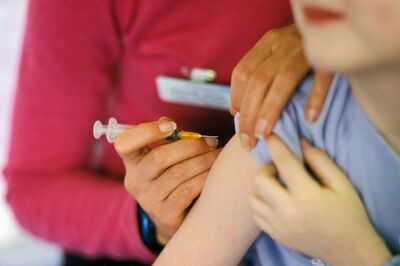
People can get free NHS-approved vaccine protection against meningitis if they fall into certain age groups. Most Brits will be given certain injections from an early age, but some might still be unprotected from this disease, which can quickly become serious and potentially fatal.
Meningitis is an infection of the protective membranes that surround the brain and spinal cord, according to the NHS. It can affect anyone, but it is most common in babies, young children, teenagers and young adults.
The current outbreak, originating in Kent, has been identified as a bacterial infection. Most people with bacterial meningitis who are treated quickly will also make a full recovery, although some are left with serious long-term problems, and it's estimated that up to one in every 10 cases of bacterial meningitis is fatal.
- Where to book a meningitis B vaccine today and how much it costs
- How to get vaccinated against meningitis - you don't need to see GP
Meningitis can be caused by several infections, so several vaccines offer some protection against it. A number of vaccinations are available that offer some protection against meningitis in its viral and bacterial forms.
Children should receive most of these as part of the NHS vaccination schedule. Anyone who missed these injections as a child but wants protection as an adult can also ask their GP about specific vaccines.
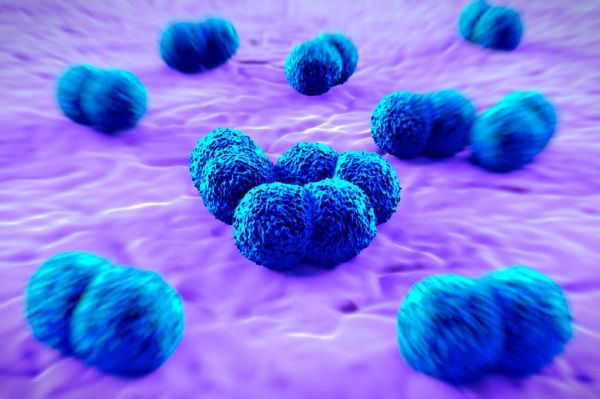 1. MenB vaccine
The MenB vaccine offers protection against meningococcal group B bacteria, which are a common cause of meningitis in young children in the UK. The vaccine is recommended for babies aged eight weeks, followed by a second dose at 12 weeks and a booster at one year old. The only reasons children cannot have the vaccine are if they've had a serious allergic reaction to a previous dose of the vaccine or any of its ingredients.
2. Six-in-one vaccineThe six-in-one vaccine, also known as the DTaP/IPV/Hib/Hep B vaccine, offers protection against diphtheria, tetanus, whooping cough, hepatitis B, polio and Haemophilus influenzae type b (a type of bacteria that can cause meningitis).
The vaccine is given on four separate occasions, when children are eight weeks, 12 weeks, 16 weeks and 18 months old. If your child has missed their six-in-one vaccinations, contact their GP surgery as they can still have the vaccine up to the age of 10. Most children can have the six-in-one vaccine, with allergies being the only reason they would be deemed unsuitable.
3. Pneumococcal vaccineThe pneumococcal vaccine offers protection against serious infections caused by pneumococcal bacteria, including meningitis. Babies are offered the pneumococcal vaccine as two separate injections at 16 weeks, with a booster given when they turn one.
A single dose is also offered to adults aged 65 or over. Allergies to any ingredients in the vaccine would be the only reason a doctor would not administer these jabs.
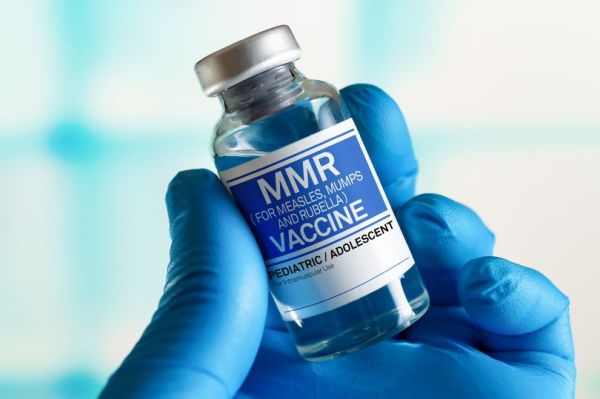
4. MMRV vaccineThe MMR vaccine protects against measles, mumps, rubella, and chickenpox. Meningitis can sometimes occur as a complication of these infections, providing an extra layer of protection against them.
The vaccine is usually given to children in two doses at 12 and 18 months old. Some older children are also offered it, and the number of doses children are given depends on when they were born.
The MMRV vaccine is not given to children who have "a severely weakened immune system" or who would risk a serious allergic reaction to the ingredients in the vaccine.
 5. MenACWY vaccine
The MenACWY vaccine protects against four strains of meningococcus that can cause meningitis: groups A, C, W, and Y. This vaccine is offered later in a child's life - often around the age of 13 or 14 - but it can be given to anyone "up to the age of 25" provided that they have never had a vaccine containing MenC.
If you missed having the vaccine when you were at school, you can still get it up until the age of 25. If you're under 25 and haven't had the MenACWY vaccine, you should ideally have it at least two weeks before starting college or university. Ask a GP about getting vaccinated.
The NHS added: "Although the vaccine is very effective, it does not prevent all types of meningitis, so it's still important to be aware of the symptoms of meningitis even if you've been vaccinated."
Anyone over 25 will not be eligible for a free NHS vaccine, and will need to look into options like pharmacies, travel clinics and private GP practices. Meningitis Now wrote on its website: "Prices will vary, so you may wish to contact more than one provider before making your choice. Expect to pay between £50 and £70 privately for this vaccine."
-
Switching to electric power has saved Railways Rs 6,000 crore: Ashwini Vaishnaw in Lok Sabha
-
Renault bets big on new launches to regain lost market share, rolls out Duster at Rs 10.49 lakh

-
Tata Steel signs MoU with University of Science and Technology Beijing

-
Dune: Part Three trailer released. Cast, release date, and other details we know about the for trilogy finale
-
WeCP, built by Abhishek Kaushik, gets acquired by Invisible to train AI models