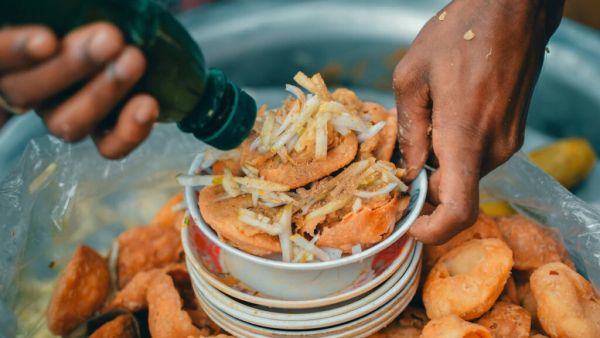
India’s street food, long known for being affordable and filling, is beginning to pinch pockets as cooking gas shortages push up costs for vendors. Over the past week, customers in several cities have reported higher prices for everyday snacks, from chaat and pakoras to dosas and vada pav. The rise comes as street vendors struggle to manage disruptions in commercial LPG supply, a key input for their daily operations. According to NDTV Profit, the LPG crunch, linked to global supply disruptions and fuel prioritization, is now filtering down to the street‑food economy, one of the most price‑sensitive segments of India’s food sector.
Survey Shows Widespread Price Increases
A recent LocalCircles survey points to how quickly the impact has reached consumers. The survey found that more than half of respondents said street vendors and small food sellers had increased prices in the past week alone. Many consumers reported noticing price hikes across commonly consumed items, with increases ranging from a few rupees to more noticeable jumps depending on the dish.
For daily wage earners, office commuters and students who rely on street food for affordable meals, even small price changes are being felt immediately.
LPG Shortage Raises Costs For Street Vendors
As reported by NDTV Profit, street vendors are among the worst hit by the LPG disruption because they depend almost entirely on commercial cylinders for cooking. Unlike larger restaurants, most vendors operate on thin margins and have limited capacity to absorb sudden cost increases.
The LocalCircles survey highlighted that several vendors are facing delayed cylinder deliveries, while others are being forced to procure LPG at higher prices through informal channels. For small food sellers, fuel is one of the largest daily expenses, leaving little option but to pass on the cost to customers.
Why Street Food Is Affected So Quickly
Street food prices tend to respond faster than restaurant menus during supply shocks. Vendors usually buy LPG in small quantities and cannot stockpile fuel. According to NDTV Profit, many also lack the infrastructure to switch to alternative cooking methods such as electric or induction stoves, especially in areas with unreliable power supply.
As a result, any disruption in LPG availability translates almost immediately into higher operating costs and, in turn, higher food prices.
Consumers Begin Cutting Back
The LocalCircles survey also found that some consumers have started reducing how often they eat street food or skipping certain items that have become more expensive. While the price hikes may appear modest individually, they add up over time for households that depend on street food for regular meals. Several respondents said they were worried about further increases if the LPG situation does not stabilize soon.
Authorities have said overall LPG availability remains adequate and have urged against panic. However, surveys suggest that street vendors are among the first to feel pressure when supply tightens.
-
Sawan Home Decor Tips: Give a traditional and fresh look to your home with these easy decoration ideas in Sawan.

-
Sawan Home Decor Tips: Give a traditional and fresh look to your home with these easy decoration ideas in Sawan.

-
Pattoor Accident: Speeding Car Triggers Chaos on Busy Road, Several Injured!

-
Tech, R&D to drive India’s next phase of economic growth: Goyal

-
Why you should add papaya seeds to your diet