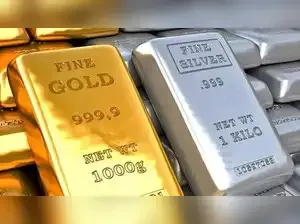
Gold prices surged more than 1% on Friday, with GC00 rising to 4,662.30 and silver futures SI00 gaining 1.21% to 72.08, but this rebound looks more like a technical bounce than a full trend reversal after a brutal sell-off earlier this month. U.S. gold futures were also reported up about 1.5% on March 20, even as bullion remained on track for a third straight weekly loss and more than 10% below levels seen after the late-February Iran shock. The main reason behind today’s rise is a mix of bargain buying, a weaker U.S. dollar, and some relief after the recent liquidation wave. But the bigger macro backdrop is still heavy for precious metals because central banks remain worried that war-driven energy inflation could keep interest rates higher for longer.
That is the real story markets are pricing in today. Gold and silver prices are rising because traders stepped in after a steep correction, not because the market has suddenly turned decisively bullish again. In fact, several central banks have shifted to a more hawkish tone as oil and gas shocks threaten to lift inflation again, and that weakens the case for non-yielding assets such as gold and silver.
At the same time, the dollar is heading for its first weekly decline in three weeks, which has offered short-term support to metals. So, yes, gold and silver prices are bouncing today, but the rebound is happening inside a much more fragile market structure.
Another key driver is the U.S. dollar. The dollar was set for a weekly fall as other major central banks turned more hawkish in response to higher energy prices. Since gold and silver are priced in dollars, a softer greenback makes them cheaper for overseas buyers and tends to support futures prices. That currency move gave precious metals breathing room after the recent pressure from rising Treasury yields and sticky inflation fears.
Still, the rebound needs to be seen in context. Gold has already lost much of its war premium since the start of the month, and silver has been even more volatile. Reuters noted earlier this month that the initial safe-haven rush after the Iran conflict faded quickly, with gold suddenly dropping 4% and silver sliding as much as 10% in one major reversal. That pattern matters because it shows traders have been using rallies to reduce exposure rather than chase higher prices aggressively.
The reason is simple. The market quickly shifted from fear to inflation. Oil prices surged sharply as energy infrastructure and supply routes came under threat, and that changed the entire macro story. Instead of focusing only on safe-haven demand, traders started worrying that higher crude prices would make inflation harder to control. Reuters said gold is now under pressure because energy-driven inflation risks have reinforced a hawkish Federal Reserve outlook and reduced the appeal of non-yielding bullion.
This is where central banks matter. Once policymakers begin signaling that rate cuts may be delayed, or that more tightening may be needed, gold and silver usually struggle. Higher interest rates increase the opportunity cost of holding metals that do not pay interest. That is exactly why safe-haven flows into gold were overshadowed by the earlier spike in the dollar and Treasury yields.
In other words, the Iran war initially helped gold, but the inflation shock that followed ended up becoming a bigger bearish force for the metals complex.
On the daily chart, gold is also trying to defend the 100-day EMA near 4,631. These are important support zones, but they are not enough on their own to confirm a bullish reversal.
Silver is showing a similar pattern. It tested a weekly low at 65.550 and is now trying to reclaim ground near 72, while defending the 20-week EMA around 73.301 and the 100-day EMA near 71.512. That means silver prices are rebounding, but they are still trading in a fragile area where a fresh breakdown could trigger another wave of selling. Compared with gold, silver remains more vulnerable because it is historically more volatile during broad commodity corrections.
So the technical message is fairly straightforward. Gold and silver prices are surging today because they became stretched on the downside and buyers stepped in near support. But unless both metals close the week above these key moving averages and attract follow-through buying early next week, the market may still treat this move as a relief rally inside a larger corrective phase.
For next week, traders will likely watch three things. First, they will track whether the dollar keeps weakening after its weekly slide. Second, they will focus on bond yields and whether inflation fears linked to oil remain elevated. Third, they will monitor the Middle East conflict for either escalation or signs of de-escalation.
Reuters also reported that oil pulled back after U.S. officials said Washington may soon lift sanctions on Iranian oil already at sea, potentially easing supply pressure. If crude cools further, that could reduce inflation fears and help gold stabilize.
But the opposite is also true. If yields rise again and metals fail to hold support, today’s rebound could fade quickly. That is why the latest move in gold and silver prices should be read carefully. The market is bouncing, yes, but it has not fully repaired the damage from the recent crash.
That tension is exactly why today’s 1% surge matters, but not enough to settle the trend debate. Gold prices and silver prices are rising on Friday because traders are buying the dip after a heavy sell-off and because the dollar has softened. Yet the larger chart structure still suggests caution. Unless gold decisively holds above 4,650 and silver regains strength above its weekly support zone, the selling trend may not be over.
That is the real story markets are pricing in today. Gold and silver prices are rising because traders stepped in after a steep correction, not because the market has suddenly turned decisively bullish again. In fact, several central banks have shifted to a more hawkish tone as oil and gas shocks threaten to lift inflation again, and that weakens the case for non-yielding assets such as gold and silver.
At the same time, the dollar is heading for its first weekly decline in three weeks, which has offered short-term support to metals. So, yes, gold and silver prices are bouncing today, but the rebound is happening inside a much more fragile market structure.
Why are gold and silver prices rising today after this month’s crash?
The immediate reason gold and silver prices are rising today is classic dip-buying. After a violent drop, many traders often re-enter the market near technical support zones, especially when prices begin to look oversold on short-term charts. Reuters reported that gold was gaining on Friday as traders bought the dip, even though it was still headed for a third weekly decline. That tells us the market is seeing value at lower levels, but confidence is still shaky.Another key driver is the U.S. dollar. The dollar was set for a weekly fall as other major central banks turned more hawkish in response to higher energy prices. Since gold and silver are priced in dollars, a softer greenback makes them cheaper for overseas buyers and tends to support futures prices. That currency move gave precious metals breathing room after the recent pressure from rising Treasury yields and sticky inflation fears.
Still, the rebound needs to be seen in context. Gold has already lost much of its war premium since the start of the month, and silver has been even more volatile. Reuters noted earlier this month that the initial safe-haven rush after the Iran conflict faded quickly, with gold suddenly dropping 4% and silver sliding as much as 10% in one major reversal. That pattern matters because it shows traders have been using rallies to reduce exposure rather than chase higher prices aggressively.
How did the Iran war, oil prices, and central bank caution hurt gold and silver?
At first glance, geopolitical conflict should support gold and silver prices because both are seen as safe-haven assets. And that did happen initially after the U.S.-Israeli strikes on Iran. Reuters reported in late February that investors rushed into gold and oil right after hostilities broke out. But that early reaction did not last.The reason is simple. The market quickly shifted from fear to inflation. Oil prices surged sharply as energy infrastructure and supply routes came under threat, and that changed the entire macro story. Instead of focusing only on safe-haven demand, traders started worrying that higher crude prices would make inflation harder to control. Reuters said gold is now under pressure because energy-driven inflation risks have reinforced a hawkish Federal Reserve outlook and reduced the appeal of non-yielding bullion.
This is where central banks matter. Once policymakers begin signaling that rate cuts may be delayed, or that more tightening may be needed, gold and silver usually struggle. Higher interest rates increase the opportunity cost of holding metals that do not pay interest. That is exactly why safe-haven flows into gold were overshadowed by the earlier spike in the dollar and Treasury yields.
In other words, the Iran war initially helped gold, but the inflation shock that followed ended up becoming a bigger bearish force for the metals complex.
Are gold and silver prices seeing a real recovery or just a technical bounce?
Right now, this looks far more like a technical bounce than the start of a sustained breakout. Your own chart levels support that argument clearly. On the weekly chart, gold started the week at 5,010, hit a high of 5,049.40, dropped to a low of 4,505.31, and is trying to stabilize near the 20-week EMA around 4,650.On the daily chart, gold is also trying to defend the 100-day EMA near 4,631. These are important support zones, but they are not enough on their own to confirm a bullish reversal.
Silver is showing a similar pattern. It tested a weekly low at 65.550 and is now trying to reclaim ground near 72, while defending the 20-week EMA around 73.301 and the 100-day EMA near 71.512. That means silver prices are rebounding, but they are still trading in a fragile area where a fresh breakdown could trigger another wave of selling. Compared with gold, silver remains more vulnerable because it is historically more volatile during broad commodity corrections.
So the technical message is fairly straightforward. Gold and silver prices are surging today because they became stretched on the downside and buyers stepped in near support. But unless both metals close the week above these key moving averages and attract follow-through buying early next week, the market may still treat this move as a relief rally inside a larger corrective phase.
What do gold, silver, platinum, and copper prices signal for next week?
The broader metals board also supports the idea of selective relief rather than a clean bullish turn. Along with gold at 4,661.70 and silver at 72.09, platinum rose 1.13% to 1,965.60, while copper was still slightly lower at 5.46. That mixed action is important. When copper lags and precious metals merely rebound from deep losses, it often signals caution rather than strong risk conviction across the commodity space.For next week, traders will likely watch three things. First, they will track whether the dollar keeps weakening after its weekly slide. Second, they will focus on bond yields and whether inflation fears linked to oil remain elevated. Third, they will monitor the Middle East conflict for either escalation or signs of de-escalation.
Reuters also reported that oil pulled back after U.S. officials said Washington may soon lift sanctions on Iranian oil already at sea, potentially easing supply pressure. If crude cools further, that could reduce inflation fears and help gold stabilize.
But the opposite is also true. If yields rise again and metals fail to hold support, today’s rebound could fade quickly. That is why the latest move in gold and silver prices should be read carefully. The market is bouncing, yes, but it has not fully repaired the damage from the recent crash.
Why are investors still searching for gold and silver price predictions after today’s rebound?
The answer is uncertainty. Investors want to know whether gold and silver prices will recover because the market is stuck between two powerful forces. On one side, geopolitical stress, weaker currencies, and volatility support demand for safe-haven assets. On the other, higher-for-longer interest rates, sticky inflation, and elevated yields continue to cap upside.That tension is exactly why today’s 1% surge matters, but not enough to settle the trend debate. Gold prices and silver prices are rising on Friday because traders are buying the dip after a heavy sell-off and because the dollar has softened. Yet the larger chart structure still suggests caution. Unless gold decisively holds above 4,650 and silver regains strength above its weekly support zone, the selling trend may not be over.