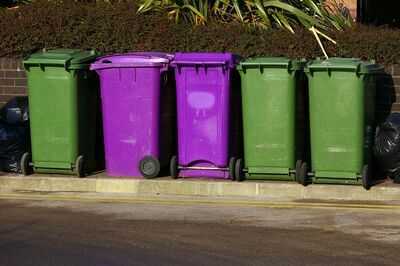
Households across the UK are being warned that simple bin mistakes could lead to complaints from neighbours under new recycling rules coming into force from March 31. The changes, part of the government’s Simpler Recycling scheme, will see councils introduce up to four separate bins for different types of waste in a bid to end the postcode lottery.
That includes separate containers for mixed recycling, paper and cardboard in some areas, food waste, and general rubbish. But experts say confusion around the new system could quickly lead to disputes, particularly where bins are shared or collections are refused.
Simarjot Singh Judge, managing partner at Judge Law, said the changes could create tension between neighbours if waste is not sorted correctly. He said: “Where recycling systems become more complex, there is always a risk of disputes arising, particularly if one household’s actions affect others.
- UK chocolate company falls into administration after making 300 tonnes each year
- Beloved family theme park open for 23 years now abandoned and closed forever
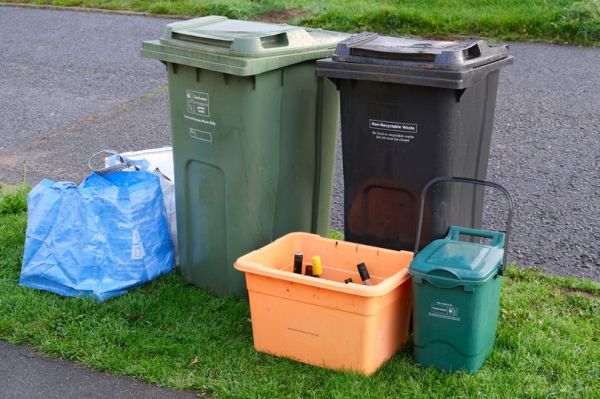
One of the biggest issues is “contamination”, where the wrong items are placed in recycling bins, potentially leading to entire collections being rejected. Common mistakes include putting food waste in the wrong bin, mixing materials incorrectly, or including items like greasy pizza boxes that cannot be recycled.
Mr Judge said: “If a bin is contaminated, councils can refuse to collect it, which can impact not just one household but others nearby.”
That can lead to frustration, especially in streets with shared bins or close proximity between properties. He said: “In those situations, it is not uncommon for neighbours to raise complaints, particularly if they feel someone else’s behaviour is affecting their service.”
While most cases will not escalate, repeated issues can result in warnings or further action from local authorities. “Councils do have powers to enforce recycling rules, although in many cases they will start with guidance or warnings rather than immediate fines,” Mr Judge explained.
He added that tensions can escalate if neighbours begin reporting each other directly or disputes become ongoing. “It’s important to remember that while people can raise concerns, disputes should not cross the line into harassment or unreasonable behaviour,” he said.
The introduction of food waste bins is also expected to cause confusion, with some households unsure what can and cannot be included. Mr Judge said: “Any time a new system is introduced, there is a period of adjustment, and misunderstandings are common in the early stages,” Mr Judge said.
He said the best approach is to familiarise yourself with local guidance and ensure waste is sorted correctly from the outset. “Taking a little extra care can help avoid both practical issues, like missed collections, and unnecessary disputes with neighbours,” he added.
The new bin rules will be enforced by councils by way of civil penalties, so complaints will be handled by the local authority and not police and fines will be handed out by the council that collects your bins.
-
VIDA Unveils VX2 Plus KKR Limited Edition Along With VIDA Electrifying Player Of The Match

-
RBI Declares Grade B Result 2026 At rbi.org.in; Check Final Result Here
-
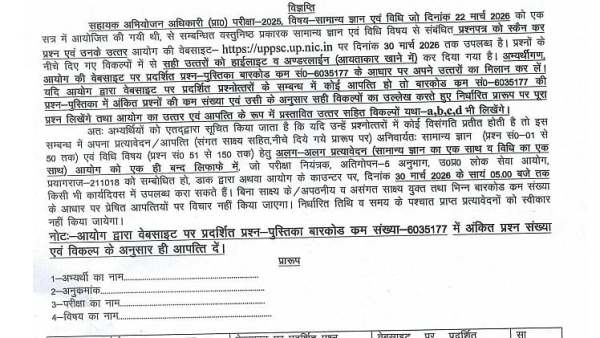
UPPSC APO Answer Key 2026 Released At uppsc.up.nic.in; Know Steps To Download And Challenge Answers
-
JNVST Class 9, 11 Result 2026 Expected Soon; Check Past Years' Trends

-
MP Board Class 5, 8 Results 2026 OUT At rskmp.in; Direct Link Here