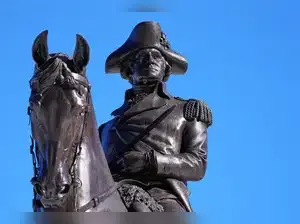
In a world that constantly nudges us toward connection, networking, and social validation, this timeless quote by George Washington lands with quiet clarity. At its core, the message is simple—but not always easy to live by. Choosing solitude over the wrong company requires a kind of self-respect that doesn’t come naturally to everyone.
Bad company doesn’t always announce itself loudly. Sometimes it comes disguised as convenience, familiarity, or even loyalty. It could be people who drain your energy, push you toward poor decisions, or subtly pull you away from your values. Staying in such spaces often feels easier than stepping away. After all, being alone can feel uncomfortable, even intimidating.
But that discomfort has its own kind of honesty. Solitude creates space—space to think clearly, to reset, to understand what you actually want rather than what others expect. It’s in those quieter moments that you begin to notice how certain influences shape your mindset, your habits, even your sense of self.
Washington’s words aren’t really about isolation; they’re about standards. They hint at the idea that your environment matters deeply. The people you surround yourself with can either sharpen your character or slowly erode it. And when the latter happens, distance—even if temporary—becomes a form of protection.
There’s also a subtle strength in choosing to walk alone when needed. It signals that you’re not willing to compromise your values just to avoid loneliness. Over time, that choice tends to attract better company—people who align with your thinking, respect your boundaries, and add something meaningful to your life.
So the quote sits there, not as a rule, but as a reminder. Not all company is worth keeping. And sometimes, the quiet path you take alone is the one that leads you somewhere better.
All about George Washington
George Washington was a central figure in the founding of the United States and served as its first president from 1789 to 1797. Before stepping into leadership, he commanded the Continental Army during the American Revolutionary War, guiding it to victory against British rule despite limited resources and immense challenges. Known for his discipline, restraint, and strong sense of duty, Washington set many precedents that shaped the role of the presidency, including the tradition of stepping down after two terms. Beyond politics and war, he was also a plantation owner at Mount Vernon and a figure widely respected for placing national interest above personal power. His legacy endures not just in history books, but in the political values and democratic traditions he helped establish.
Bad company doesn’t always announce itself loudly. Sometimes it comes disguised as convenience, familiarity, or even loyalty. It could be people who drain your energy, push you toward poor decisions, or subtly pull you away from your values. Staying in such spaces often feels easier than stepping away. After all, being alone can feel uncomfortable, even intimidating.
But that discomfort has its own kind of honesty. Solitude creates space—space to think clearly, to reset, to understand what you actually want rather than what others expect. It’s in those quieter moments that you begin to notice how certain influences shape your mindset, your habits, even your sense of self.
Washington’s words aren’t really about isolation; they’re about standards. They hint at the idea that your environment matters deeply. The people you surround yourself with can either sharpen your character or slowly erode it. And when the latter happens, distance—even if temporary—becomes a form of protection.
There’s also a subtle strength in choosing to walk alone when needed. It signals that you’re not willing to compromise your values just to avoid loneliness. Over time, that choice tends to attract better company—people who align with your thinking, respect your boundaries, and add something meaningful to your life.
So the quote sits there, not as a rule, but as a reminder. Not all company is worth keeping. And sometimes, the quiet path you take alone is the one that leads you somewhere better.