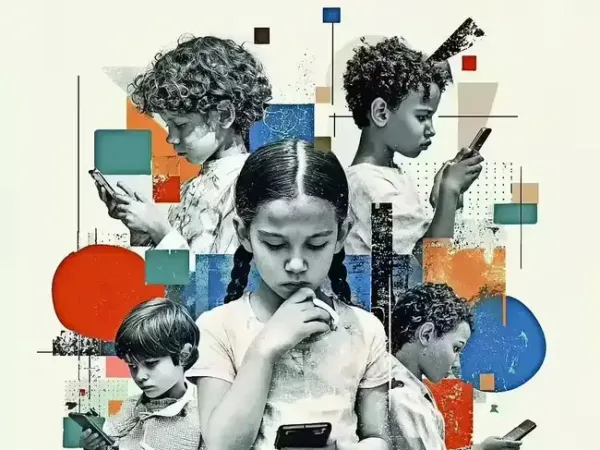
Governments around the world, including India, are moving towards tighter controls on minors’ access to social media. Concerns have been rising in recent years about the effects platforms such as TikTok, Facebook, Snapchat, and Instagram can have on children and vulnerable users.
Here is a look at countries that have taken steps in this direction to better protect young users:
India
On March 26, ET reported that the Centre is revisiting the question of whether children should be allowed on social media, with fresh discussions underway. The ministry of electronics and information technology has held meetings with platforms in recent weeks to assess whether age-based access controls can be implemented at scale, several officials told us.
Meanwhile, several states have already made moves. Karnataka has proposed a ban on mobile phones and social media for children under 16 and plans to introduce a bill soon. Andhra Pradesh is targeting full social media restrictions for under-13s within 90 days. Meanwhile, Maharashtra is set to take up the issue in its assembly.
Australia
In December last year, Australia became the first country to introduce a nationwide ban on social media access for teenagers. Ten of the largest platforms were ordered to block underage users or face fines of up to A$49.5 million ($33 million).
While the move drew criticism from technology companies and free speech advocates, it was welcomed by many parents and child-protection groups.
UK
The United Kingdom has become the latest to join the push to protect children. The government has issued guidance urging parents to limit young children’s screen time, recommending no screen exposure for children under two and no more than one hour a day for those aged two to five. This is because extended solo screen use can interfere with sleep and reduce time spent on play and physical activity.
At the same time, the government is actively exploring stricter measures, including the possibility of a ban on social media for children under 16, similar to Australia’s approach. This could be introduced as early as this year.
Officials are also reviewing gaps in existing regulations, particularly those that allow some AI chatbots to operate outside current online safety laws.
Austria
The UK’s advice to parents comes right after Austria's conservative-led, three-party government announced plans to prohibit children under 14 from using social media. Although there is agreement in principle among coalition partners, including how and when the ban will be enforced, key details are still being worked out.
Cabinet members have confirmed that draft legislation is expected to be prepared by the end of June.
Indonesia
Earlier in March, Indonesia announced that it would restrict social media access for children under 16 to reduce the risks of addiction and cyberbullying.
"We realise this may cause discomfort in the beginning. Children may complain, and parents may be confused dealing with their complaints,” said Meutya Hafid, Indonesia's communications and digital minister.
"Our children are facing risks from porn, cyberbullying, and online fraud to, most importantly, addiction," she said, adding that Indonesia will be the first non-Western country to impose such restrictions.
Malaysia
Neighbour Malaysia has also signalled similar plans. In November last year, the government announced that social media platforms would be banned for users under the age of 16 starting in 2026.
US
In the United States, existing federal rules mainly focus on protecting children’s data, especially those under 13, by requiring parental consent for its collection. However, these rules do not meaningfully address harms.
In response, several states have begun pushing for tougher measures. Some are considering laws that would require parental permission before minors can join social media platforms, while others are going even further. For example, Texas is reportedly close to introducing a sweeping restriction for all residents under 18 from joining social media platforms.
Spain
Spain is also preparing to tighten rules. In February, Prime Minister Pedro Sanchez announced that the government intends to ban children under 16 from accessing social media platforms. Speaking at the World Government Summit in Dubai, he said companies would need to introduce strong age-verification systems to enforce the policy.
Although current laws already aim to limit access to users aged 16 and above, the new proposal would go a step further by clearly banning minors from signing up altogether, according to Politico.
France
In France, lawmakers approved a bill banning social media access for children under the age of 15. The legislation was passed a month after Australia’s ban and is expected to take effect in September 2026.
The bill also prohibits the use of mobile phones in high schools. France had earlier introduced a nationwide rule banning mobile phone use in all primary and middle schools.
Germany
Political leaders in Germany have supported a proposal to ban social media use for children under 14. The plan also includes calls for stricter age-verification systems for older teenagers.
However, implementing such rules could be challenging because media regulation in Germany is managed at the state level, meaning all states would need to agree on a unified approach.
Portugal
In Portugal, parliament approved a bill in mid-February requiring explicit parental consent for children aged 13 to 16 to use social media. Parents will provide approval through a public digital identification system called the Digital Mobile Key (DMK).
The system will also help enforce an existing ban preventing children under 13 from accessing social media platforms, video- and image-sharing services, or online betting sites.
Technology companies will be required to implement age-verification systems that are compatible with the DMK.
Turkey
Turkey is also laying the groundwork for similar measures. A parliamentary report has recommended a broad set of actions, including stricter age verification and improved content filtering.
The proposals also suggest removing harmful content without prior notice and monitoring children’s video games or AI-enabled toys for potentially harmful material.
Brazil
Brazil has introduced new rules aimed at reducing the harmful effects of social media on young users. A law that came into force this month focusses on protecting minors from addictive, violent, and inappropriate online content and has been described by experts as a major step forward.
Under the law, children under 16 must connect their social media accounts to a parent or legal guardian, ensuring active supervision. It also places limits on platform design by banning features that encourage prolonged use, such as infinite scrolling and automatic video playback. In addition, companies are required to adopt reliable age-verification systems that go beyond simple self-declaration.
Several other countries are also exploring similar policies. Governments in Greece and Slovenia have said they are working on possible restrictions for minors.
The growing number of proposals has sparked debate among policymakers, technology companies, and child-safety advocates.
At the India AI Impact Summit, UNICEF global innovation director Thomas Davin told ET that a blanket ban on children accessing social media may not work in every country. According to Davin, the success of such policies depends on the development levels and socio-economic conditions of each country.
He noted that children in many developing countries — including India — need access to digital tools, artificial intelligence (AI) models, and online platforms for education and economic opportunity. Davin also stressed the need for stronger accountability from technology companies when deploying AI systems.
Here is a look at countries that have taken steps in this direction to better protect young users:
India
On March 26, ET reported that the Centre is revisiting the question of whether children should be allowed on social media, with fresh discussions underway. The ministry of electronics and information technology has held meetings with platforms in recent weeks to assess whether age-based access controls can be implemented at scale, several officials told us.
Meanwhile, several states have already made moves. Karnataka has proposed a ban on mobile phones and social media for children under 16 and plans to introduce a bill soon. Andhra Pradesh is targeting full social media restrictions for under-13s within 90 days. Meanwhile, Maharashtra is set to take up the issue in its assembly.
Australia
In December last year, Australia became the first country to introduce a nationwide ban on social media access for teenagers. Ten of the largest platforms were ordered to block underage users or face fines of up to A$49.5 million ($33 million).
While the move drew criticism from technology companies and free speech advocates, it was welcomed by many parents and child-protection groups.
UK
The United Kingdom has become the latest to join the push to protect children. The government has issued guidance urging parents to limit young children’s screen time, recommending no screen exposure for children under two and no more than one hour a day for those aged two to five. This is because extended solo screen use can interfere with sleep and reduce time spent on play and physical activity.
At the same time, the government is actively exploring stricter measures, including the possibility of a ban on social media for children under 16, similar to Australia’s approach. This could be introduced as early as this year.
Officials are also reviewing gaps in existing regulations, particularly those that allow some AI chatbots to operate outside current online safety laws.
Austria
The UK’s advice to parents comes right after Austria's conservative-led, three-party government announced plans to prohibit children under 14 from using social media. Although there is agreement in principle among coalition partners, including how and when the ban will be enforced, key details are still being worked out.
Cabinet members have confirmed that draft legislation is expected to be prepared by the end of June.
Indonesia
Earlier in March, Indonesia announced that it would restrict social media access for children under 16 to reduce the risks of addiction and cyberbullying.
"We realise this may cause discomfort in the beginning. Children may complain, and parents may be confused dealing with their complaints,” said Meutya Hafid, Indonesia's communications and digital minister.
"Our children are facing risks from porn, cyberbullying, and online fraud to, most importantly, addiction," she said, adding that Indonesia will be the first non-Western country to impose such restrictions.
Malaysia
Neighbour Malaysia has also signalled similar plans. In November last year, the government announced that social media platforms would be banned for users under the age of 16 starting in 2026.
US
In the United States, existing federal rules mainly focus on protecting children’s data, especially those under 13, by requiring parental consent for its collection. However, these rules do not meaningfully address harms.
In response, several states have begun pushing for tougher measures. Some are considering laws that would require parental permission before minors can join social media platforms, while others are going even further. For example, Texas is reportedly close to introducing a sweeping restriction for all residents under 18 from joining social media platforms.
Spain
Spain is also preparing to tighten rules. In February, Prime Minister Pedro Sanchez announced that the government intends to ban children under 16 from accessing social media platforms. Speaking at the World Government Summit in Dubai, he said companies would need to introduce strong age-verification systems to enforce the policy.
Although current laws already aim to limit access to users aged 16 and above, the new proposal would go a step further by clearly banning minors from signing up altogether, according to Politico.
France
In France, lawmakers approved a bill banning social media access for children under the age of 15. The legislation was passed a month after Australia’s ban and is expected to take effect in September 2026.
The bill also prohibits the use of mobile phones in high schools. France had earlier introduced a nationwide rule banning mobile phone use in all primary and middle schools.
Germany
Political leaders in Germany have supported a proposal to ban social media use for children under 14. The plan also includes calls for stricter age-verification systems for older teenagers.
However, implementing such rules could be challenging because media regulation in Germany is managed at the state level, meaning all states would need to agree on a unified approach.
Portugal
In Portugal, parliament approved a bill in mid-February requiring explicit parental consent for children aged 13 to 16 to use social media. Parents will provide approval through a public digital identification system called the Digital Mobile Key (DMK).
The system will also help enforce an existing ban preventing children under 13 from accessing social media platforms, video- and image-sharing services, or online betting sites.
Technology companies will be required to implement age-verification systems that are compatible with the DMK.
Turkey
Turkey is also laying the groundwork for similar measures. A parliamentary report has recommended a broad set of actions, including stricter age verification and improved content filtering.
The proposals also suggest removing harmful content without prior notice and monitoring children’s video games or AI-enabled toys for potentially harmful material.
Brazil
Brazil has introduced new rules aimed at reducing the harmful effects of social media on young users. A law that came into force this month focusses on protecting minors from addictive, violent, and inappropriate online content and has been described by experts as a major step forward.
Under the law, children under 16 must connect their social media accounts to a parent or legal guardian, ensuring active supervision. It also places limits on platform design by banning features that encourage prolonged use, such as infinite scrolling and automatic video playback. In addition, companies are required to adopt reliable age-verification systems that go beyond simple self-declaration.
Several other countries are also exploring similar policies. Governments in Greece and Slovenia have said they are working on possible restrictions for minors.
The growing number of proposals has sparked debate among policymakers, technology companies, and child-safety advocates.
At the India AI Impact Summit, UNICEF global innovation director Thomas Davin told ET that a blanket ban on children accessing social media may not work in every country. According to Davin, the success of such policies depends on the development levels and socio-economic conditions of each country.
He noted that children in many developing countries — including India — need access to digital tools, artificial intelligence (AI) models, and online platforms for education and economic opportunity. Davin also stressed the need for stronger accountability from technology companies when deploying AI systems.