In the silent pulse of digital transactions, trust must stand guard like an unseen sentinel.
A New Rulebook for Digital Trust
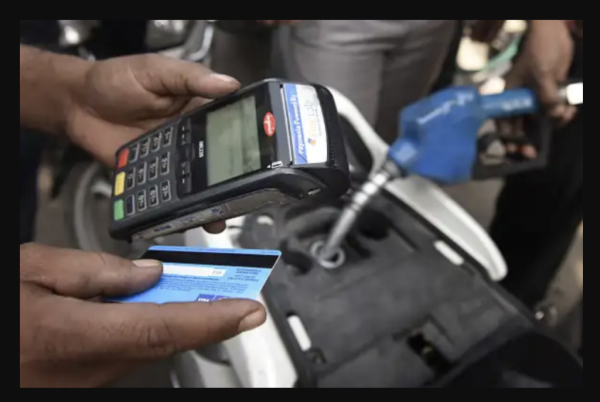
India’s digital payments ecosystem is set for a significant transformation from April 1, 2026, as the Reserve Bank of India mandates two-factor authentication for all online transactions. This move makes it compulsory for every digital payment to be verified through at least two distinct authentication factors.
These factors may include passwords, SMS-based OTPs, biometrics, PINs, or even hardware tokens and cards. Importantly, the framework allows issuers—such as banks, card networks, and fintech companies—to offer customers a choice in selecting their preferred authentication methods, as long as they comply with regulatory standards.
This shift reflects a move toward a more flexible yet secure system, ensuring users can balance convenience with safety while conducting digital transactions.
Layered Security: Beyond OTPs
The new regulations go further by introducing additional safeguards across the payments ecosystem. Cross-border transactions will also require authentication under this framework by October 1, adding another layer of oversight.
Risk-based authentication mechanisms will be implemented to trigger additional checks when transactions appear suspicious. Moreover, the rules place accountability on issuers—if fraud occurs due to non-compliance, liability will fall on them.
This comprehensive approach signals a clear departure from over-reliance on OTPs, pushing instead for layered, adaptive security systems. The RBI’s directive ultimately aims to curb fraud, prevent unauthorised transactions, and reduce phishing risks, strengthening trust in India’s rapidly growing digital payments landscape.
As money moves at the speed of light, security must become the shadow that never leaves its side.
Summary
From April 1, 2026, RBI mandates two-factor authentication for all digital transactions in India, requiring at least two verification methods like OTPs, biometrics, or PINs. The framework introduces risk-based checks, extends to cross-border payments, and holds issuers accountable for fraud. The move aims to enhance security, reduce phishing risks, and strengthen trust in digital payments.
-
'Deeply Saddened': KKR Pays Tribute To Bengali Actor Rahul Arunoday Banerjee After Tragic Death

-
JSW Sports Signs U19 Women's T20 World Cup Winning Captain Niki Prasad

-
Rahul Arunoday Banerjee Death: Bholebaba Paar Karega Producer Reveals Actor Was Asked Not To Go Into The Water, Says 'He Didn't Listen'

-
ASO Drowns In Putudi Waterfall During Holiday Trip To Odisha's Kandhamal

-
Mamata woos Marwari community, calls them integral to 'Bengal family'