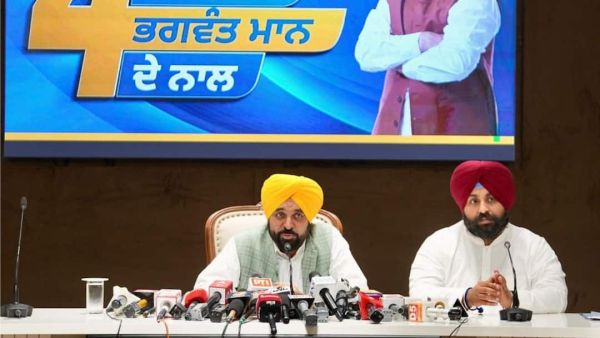
Punjab Chief Minister Bhagwant Mann on Monday unveiled a four-year report card on the state’s education overhaul, branding it a “Shiksha Kranti” that has reshaped government schools into competitive institutions. Presenting the update under a broader governance review series, Mann pointed to improved learning outcomes, tighter accountability and expanded funding as evidence of progress. The government claims the reforms have narrowed the gap with private schools, while boosting student performance and infrastructure. However, the claims come amid ongoing debates over delivery, scale and long-term sustainability.
Results Up, Scrutiny Follows
Mann highlighted Punjab’s top ranking in the National Achievement Survey 2024, alongside higher-than-average student scores and hundreds clearing national entrance exams. The administration also stressed there have been no exam paper leaks in four years, positioning this as a marker of system integrity.
Officials said over 14,000 teachers have been recruited and thousands of staff regularised, while training programmes have been conducted in countries including Singapore and Finland. Parents are now set to receive real-time alerts on attendance and teacher leave, signalling a push towards administrative transparency.
Yet, education analysts note that headline rankings often mask disparities between districts, and the real test will be whether gains are consistent across rural and urban schools.
Big Spend, Bigger Promises
The state’s education budget has risen sharply, from Rs 12,657 crore in 2021-22 to Rs 19,279 crore for 2026-27. A second phase of reforms, backed by World Bank support, is being pitched as the largest programme of its kind in the state.
Infrastructure upgrades include Wi-Fi-enabled campuses, new labs, sanitation staff and security hires. The government also cited initiatives such as Schools of Eminence, free transport for girls and entrepreneurship programmes that reportedly generated student-led revenue.
In higher education, plans range from a digital open university policy to new colleges and language-focused reforms.
While the administration frames the changes as transformative, critics argue that outcomes must be independently verified, particularly as education remains a politically sensitive and high-stakes sector ahead of future elections.
-
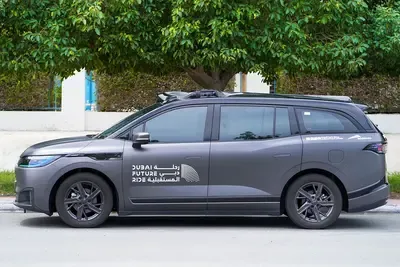
Dubai launches self-driving taxi service in Umm Suqeim, Jumeirah
-
Sagar Parekh Advocates for Equal Work Hours for Male Actors in Showbiz

-
Trump Issues Stark Warning to Iran Over Hormuz Strait

-
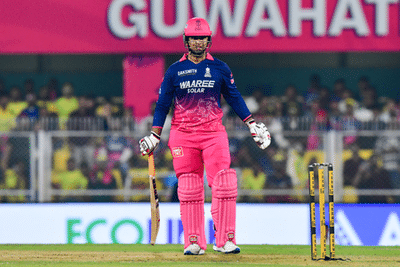
IPL 2026: Plan was to control the game in the powerplay, says Sooryavanshi
-
Newborn boy's body found in porta-potty near popular restaurant chain in Louisiana