
The global economy is about to suffer another shock, at the same time when the markets are struggling with the first shock. The blockage in the Strait of Hormuz has already significantly increased oil prices and disrupted energy supplies. But now a new and perhaps more destabilizing threat is emerging.
The threat is Yemen's Iran-backed Houthi rebels joining a major campaign against shipping in the Red Sea. If this happens, the world may have to face simultaneous blockages on its two most important sea routes, causing economic losses that could be much greater than the market thinks.
A delicate pause in the oil markets
There has been very slight fluctuation in oil prices in recent times, which shows a balance between hope and fear. On the one hand, there are reports that US President Donald Trump may be ready to stop military action against Iran without reopening the Strait of Hormuz. This immediately reduced the nervousness. On the other hand, the truth is that the oil supply through the Strait of Hormuz is still disrupted to a great extent.
This creates a confusing situation. Markets may be reacting to expectations of easing tensions, but oil supplies on land have not yet returned to normal. Experts say that for a true improvement in prices, it is necessary to completely restore the movement of ships through Hormuz, for which there is no firm guarantee yet. In this restless environment, another major center of obstruction is also emerging.
Houthi as a new strategic weapon
According to Bloomberg, Iran is actively inciting the Houthi rebels to launch a new campaign against shipping movements in the Red Sea. European officials said Iran is pressuring the Houthi rebels to prepare to launch a new campaign against ships in the Red Sea as Iran seeks to expand its influence beyond the Gulf region.
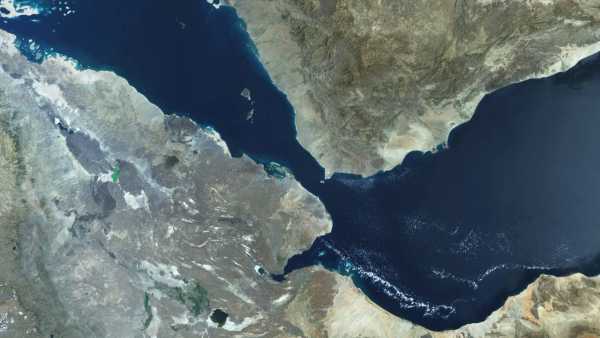
Houthi rebels have already shown signs of increasing tension. Firing missiles towards Israel for the first time during the ongoing conflict on Saturday shows their entry into this conflict. More importantly, they have warned that they may target ships passing through the Bab el-Mandeb strait. It is a narrow sea route that connects the Red Sea to the Gulf of Aden. This is not an empty threat. Between 2023 and 2025, Houthi rebels attacked more than 100 ships, forcing major shipping companies to divert their ships through Southern Africa. Due to this the cost increased, travel time became longer and insurance expenses also increased significantly. Now the situation may be more serious than before.
Two important paths, one big risk
There is a major weakness in the global energy system. It depends on certain sea routes. The Strait of Hormuz and Bab al-Mandeb are two such important routes. With the Strait of Hormuz already blocked, the Red Sea has become an essential alternative route, especially for Saudi oil exports. Saudi Arabia has increased shipments of oil through its East-West Pipeline to the Red Sea port of Yanbu, and this has accelerated in recent weeks.
But this alternative arrangement depends on safe passage through Bab el-Mandeb. If the Houthis block this route, the consequences could be serious. About 15% of the world's maritime trade passes through this narrow route. Its closure will not only affect oil, but will also affect container shipping between Asia and Europe, which will increase pressure on the supply chain. Any Houthi campaign against ships in the southern Red Sea and near Bab al-Mandeb would further destabilize global energy markets. Now the Red Sea is no longer a small area. It has become very important for global trade.
Impact of Red Sea crisis on India
This situation can be very serious for India. Major trade of India with Europe passes through the Red Sea and Suez Canal. If there is a blockage in Bab al-Mandeb, Indian traders will have to send goods via Africa, which will increase both time and cost. The impact in the energy sector will be deeper. India is very dependent on crude oil imports. Due to the blockage in Hormuz, the Red Sea route has become more important. If this is also disrupted, the supply of oil will reduce further and prices will increase further. Rising oil prices will increase inflation, increase current account deficit and put pressure on the rupee. Sectors like refining, aviation and logistics will be directly affected, while exports will also be affected due to expensive transportation.
-
New PAN Rules From April 1, 2026: Important Update for Taxpayers..

-
From the iQOO 15 Apex to the Redmi Note 15 SE 5G, these 4 new smartphones will launch in the first week of April..

-
It's Not Just About the Looks: Consider These 4 Things Before Buying an Induction Cooktop..

-
Gmail Address Change: The long 22-year wait is over—you can now change your Gmail address, Here is how..

-
April 2026 School Holidays: Good News for Children—Plenty of Holidays Await in April; Check Out the Full List