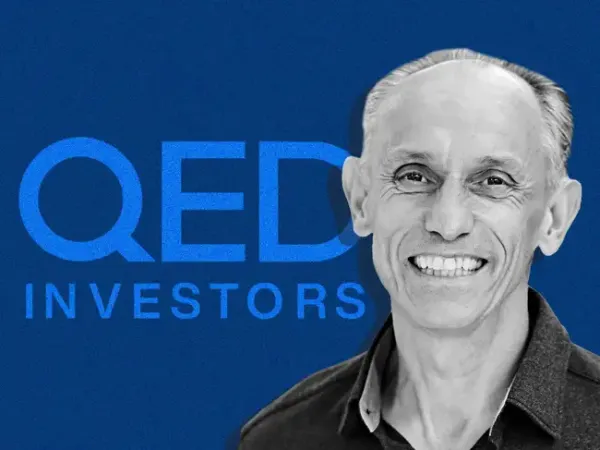
Regulatory tightening in India’s fintech sector has created near-term challenges for startups, particularly in the early stage, QED Investors’ co-founder and managing partner Nigel Morris told ET during an exclusive interaction.
“The Indian regulator has been quite intentional about their direction… in a more permissive environment, fintechs tend to get ahead of regulators. Over the last few years, regulators have taken a more assertive stance,” he said.
Morris said the assertive stance has made it harder for early-stage fintechs to scale quickly.
This is because young companies, which often operate with untested business models, are likely to feel the impact more acutely as compliance requirements rise, and access to partner bank infrastructure becomes more restrictive.
This has coincided with a broader change in the operating environment with growing geopolitical uncertainty, rising inflation, and AI-led disruption.
Portfolio companies of the fintech-focussed venture capital (VC) firm too have been impacted, he said.
Pune-based FPL Technologies, which runs OneCard, was affected after the RBI asked banks to pause co-branded card issuance over data-sharing concerns last December.
Leo1 also scaled back operations and shut its first loss default guarantee (FLDG) model last August, amid regulatory and broader sectoral pressures. FLDG is a digital lending model where a fintech partner guarantees to cover a portion of the losses of a regulated lender.
Morris told ET that as a result, several of QED’s lending-focussed portfolio companies have already begun tightening their underwriting standards.
“The Indian regulator has been quite intentional about their direction… in a more permissive environment, fintechs tend to get ahead of regulators. Over the last few years, regulators have taken a more assertive stance,” he said.
Morris said the assertive stance has made it harder for early-stage fintechs to scale quickly.
This is because young companies, which often operate with untested business models, are likely to feel the impact more acutely as compliance requirements rise, and access to partner bank infrastructure becomes more restrictive.
This has coincided with a broader change in the operating environment with growing geopolitical uncertainty, rising inflation, and AI-led disruption.
Portfolio companies of the fintech-focussed venture capital (VC) firm too have been impacted, he said.
Pune-based FPL Technologies, which runs OneCard, was affected after the RBI asked banks to pause co-branded card issuance over data-sharing concerns last December.
Leo1 also scaled back operations and shut its first loss default guarantee (FLDG) model last August, amid regulatory and broader sectoral pressures. FLDG is a digital lending model where a fintech partner guarantees to cover a portion of the losses of a regulated lender.
Morris told ET that as a result, several of QED’s lending-focussed portfolio companies have already begun tightening their underwriting standards.