India’s digital payments ecosystem continued to expand rapidly in 2025, with Unified Payments Interface (UPI) hitting a record 228.5 billion transactions — a 33% YoY increase from approximately 172 billion transactions in 2024. Total transaction value reached Rs 299.74 trillion, reflecting strong growth in both person-to-person (P2P) and person-to-merchant (P2M) segments. Notably, P2M transactions grew 34% to 143.82 billion, reflecting the growing penetration of UPI in everyday transactions.
The average transaction size for UPI declined 9% to Rs 1,314, while merchant payments declined even more to Rs 592. This trend reflects the successful transition of small transactions — previously cash-based, such as those at street vendors and local service providers — into the formal digital economy. According to the Worldline report, this change is a sign of large-scale digitalization and inclusion of small merchants in it.
Merchant acceptance infrastructure expanded significantly. UPI QR codes grew 15% to 731.38 million, and point-of-sale (PoS) terminals grew 15% to 11.48 million. Bharat QR usage declined slightly due to integration around UPI-centric models, further reinforcing the “QR-first, PoS-as-needed” approach. This approach helps even the smallest merchants accept digital payments at very low infrastructure costs.
Credit card transactions rose 27% to 5.69 billion, and online spending reached Rs 14.53 trillion. In contrast, debit card usage declined by 23% as many small payments shifted to UPI. Recurring payments through Bharat BillPay got a big boost. It processed 3.05 billion transactions with a total value of Rs 14.84 trillion — a 40% increase in volume and 93% increase in value. Its strong use in things like education fees, insurance, EMIs and subscriptions reflects the growing trend of “set-and-forget” automated payment models. Ramesh Narasimhan, CEO of Worldline India, described the scenario as entering a new phase of maturity, where scale and structure come together. Multiple payment channels — UPI, cards and platforms like Bharat BillPay — now complement each other, leading to a more inclusive and efficient digital economy.
Overall, 2025 was an important year for India’s payments ecosystem, marked by higher volumes of low-value transactions, greater merchant onboarding, and maturing recurring payment habits. This shift is changing how Indians move money, reducing dependence on cash and promoting greater financial inclusion.
-
Bill containing provisions for strict action against paper leaks to be introduced in Parliament: PM Modi

-
'Cheating Is Not Okay': Sachin Tendulkar Shares Heartfelt Message Amid Students' Protest, Calls For Honesty And Merit

-
'What A Phenomenon!': Shashi Tharoor Hails Vaibhav Sooryavanshi After He Silences Critics With Record Fifty Against Zimbabwe

-
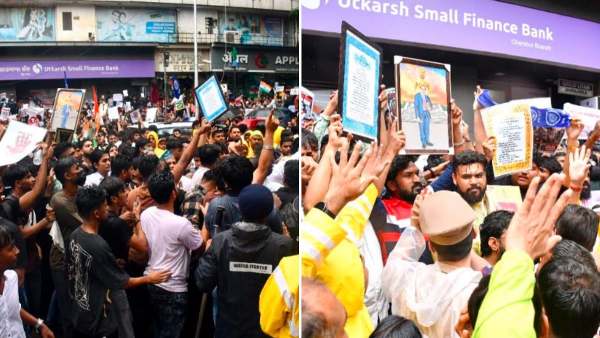
Over 150 Detained In Mumbai On Day 4 Of Anti-NEET Protests; Police Book 55 Under Three FIRs Over Maharashtra Bandh
-
NEET Paper Leak Row Sparks Uproar In BMC House As Opposition, Mahayuti Trade Slogans