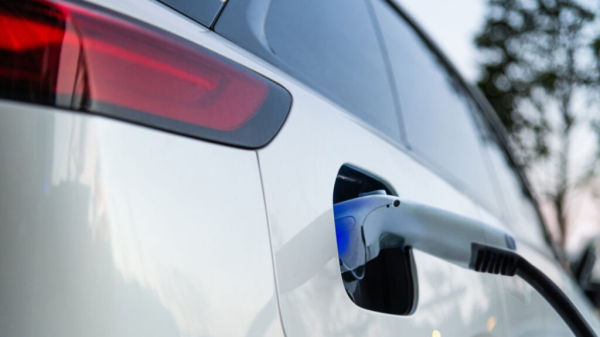
Driving an electric vehicle comes with a distinct set of benefits. You are free from the headache of refueling (though you have to charge it daily), you get instant acceleration from the moment you put pedal to the metal, and you get a noticeably quieter cabin. However, one major concern for EV owners is range anxiety. I own an EV, and aside from checking all mirrors, my eyes also frequently glance at the remaining range. The fear of battery percentage dropping faster than expected on a long drive is something that can take the joy out of the experience entirely.
While charging networks are expanding across the U.S., making cross-country road trips more feasible than they were five years ago, knowing how to squeeze out the last mile out of your EV’s battery is a skill that everyone should possess. Let’s make this clear right away — maximizing your electric car’s efficiency doesn’t require an engineering degree or a drastic change in your everyday driving. Instead, it involves understanding how an EV works and uses power to make some strategic adjustments to your driving habits. For instance, if you were a driver with a heavy foot on a gasoline-powered car and recently switched to an EV, your driving will drain the battery faster.
Small precautions, such as maintaining the cabin temperature, handling downhill stretches, and using correct driving modes, can help get more mileage from your EV. In this guide, we have listed five ways to get more range out of your EV.
Pre-condition the vehicle
Having a comfortable cabin before the journey begins is one of the critical factors in determining the range of your EV. In cold weather, when you get inside a freezing car, the first move of most of us is to blast the heater on full speed to make the cabin livable. However, this draws a significant amount of power from the battery. As a result, you will notice a chunk of the charge vanishing even before you leave your driveway. The simple solution here is to pre-condition the cabin before you begin your ride.
But how to do that? The best way to do this is to pre-condition your vehicle while the car is plugged into a charger. This way, the power that would be drawn from the battery is regained from the power source. The DOE’s 2024 Fuel Economy Guide also suggests heating and cooling your car while it is plugged into the wall. Some EVs will even let you turn on the AC with your smartphone, so the cabin is at a comfortable temperature when you get in.
Imagine scheduling your vehicle’s heater to activate 30-minutes before you leave for work in freezing weather. You will step into a car that has a comfortably warm cabin without sacrificing battery life along the way. This practice is beneficial for the health of the vehicle’s electrical system as well. Not forcing a freezing battery to instantly heat the cabin helps maintain an optimal EV battery health, which ultimately guarantees long-term performance.
Avoid aggressive acceleration
Unlike a gasoline car that takes its sweet time to provide you feedback when you press the accelerator, EVs provide an instant thump. You get full thrust the moment your foot touches the pedal. This blistering action is thrilling and one of the most loved qualities of an EV, but it’s also one of the quickest ways to drain your car’s battery. When you press the accelerator, the motor demands a huge surge of energy, which is provided by your EV’s battery, thereby lowering its overall efficiency and also lowering the total range.
To avoid aggressive acceleration, drivers should adopt a smoother approach to gain speed. Imagine a situation where you are stuck at a traffic light. Instead of launching your car when the light turns green, only to brake hard at the next intersection, you can press the accelerator gently to ensure that the power draw remains steady.
Developing new driving habits is one of the key ways of preserving an EV’s range. Additionally, this also provides secondary benefits. Pushing your vehicle hard from a standstill increases the wear and tear on your tires, brakes, and other crucial components. A measured driving style prevents unnecessary friction and keeps the mechanical components healthy, contributing to an EV that lasts longer.
Maximize regenerative braking
Modern electric vehicles are filled with innovative and interesting features. One of these, regenerative braking, can help regain some of the lost range, as it allows the car to recover energy that would normally be wasted. In a standard gasoline-powered car, applying the brakes creates friction, which slows down the car but emits kinetic energy that is basically useless. Electric vehicles function differently in this area by using the motors in reverse. This unique engineering allows the car to capture the forward momentum and convert it directly into usable energy and recharge the battery.
To ensure optimal efficiency, you must understand why regenerative braking is so important for EVs. Part of the kinetic energy spent during braking is converted back to electricity to recharge the vehicle. Imagine going down a steep mountain road. Normally, you would hit the brakes so that you don’t go too fast. In an EV, you can just take your foot off the accelerator and, with the right settings, the car will automatically start to slow down even without touching the brake pedal. And when the car is slowing down, it is actually recharging the battery using the energy from the car’s movement.
Most modern EVs allow you to adjust the intensity of regenerative braking directly from the dashboard. Setting it to the highest level often enables one-pedal driving. The U.S. Department of Energy also suggests using EVs’ regenerative braking feature to regain the lost range.
Maintain proper tire pressure
Tire pressure plays a very important role in determining your EV’s total range. You should be aware of your car’s optimal tire pressure and keep it at that level. Since an electric vehicle has a significant weight, the tires have to bear a heavy burden. If they aren’t inflated to the manufacturer’s recommendations and specifications, the car will have to work harder to move forward. This extra effort would require more power from your EV, thereby drawing more energy and lowering range.
Under-inflated tires have increased rolling resistance, which is why they demand more energy. For instance, imagine riding a bicycle with soft, deflated tires. You have to pedal significantly harder to achieve the same speed as you would with inflated tires. The same principle applies to a car’s electric motors.
Weather changes directly impact the car’s tire pressure. Cold temperatures cause the air inside the tire to contract and lose volume. On the other hand, during the summer, the tires inflate and gain pressure. Checking the tire pressure with a gauge or with the built-in tire-pressure monitoring system at least once a month is advised to ensure that you are not losing out on your EV’s range unnecessarily. Furthermore, you can also upgrade to EV-specialized tires that are designed for low rolling resistance.
Use the cruise control mode
Maintaining a perfectly steady speed is a difficult task, especially when you drive an EV where instant boost is just a pedal press away. Even the most experienced driver will speed up slightly or slow down when distracted. These minor fluctuations in acceleration require tiny surges of electricity. Over the course of a long trip, these minor accelerations or decelerations drain battery power from the available energy, lowering overall efficiency.
The easiest way to eliminate this human error is to use this cruise control mode during your highway trips. Highways are mostly straight and don’t have so much traffic that you have to apply the brakes often. You can set a speed on the cruise control and let your car’s brain do the rest. Your car’s system calculates and delivers the exact amount of power needed, preventing unnecessary drainage.
This automated precision helps you glide along efficiently without second-guessing your foot placement. On top of this, many modern vehicles come with an advanced adaptive system that can safely match the speed of the traffic ahead and even apply the brakes if something comes in their way.