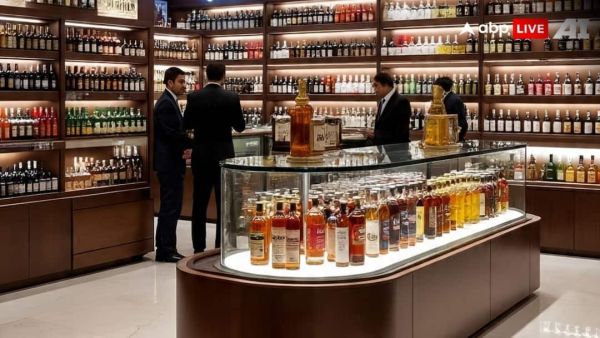
Shares of leading liquor companies moved higher on April 20 after the Karnataka government proposed a significant overhaul of its decades-old alcohol taxation system, signalling a structural shift that could reshape pricing and demand dynamics in the sector.
Tilaknagar Industries, Radico Khaitan and United Breweries were among the key gainers, rising up to 3 per cent in early trade as investors reacted to the proposed policy changes, reported Moneycontrol.
A Big Shift In A Six-Decade-Old Policy
The Karnataka government on Saturday issued a draft notification to amend the Karnataka Excise (Excise Duties and Fees) Rules, 1968, marking the first major overhaul of the state’s alcohol taxation framework in over 60 years.
At the heart of the reform is a move towards an alcohol-in-beverage (AIB) based taxation model. Under this system, excise duty will be levied based on the actual alcohol content in beverages rather than broad pricing slabs.
If implemented, Karnataka will become the first state in India to adopt such a structure.
The proposed system aims to simplify the current regime by reducing the number of pricing slabs from 16 and aligning taxation more closely with alcohol strength.
How The New Tax Structure Will Work
Under the AIB-based system, beverages with higher alcohol content will attract higher taxes, while those with lower alcohol levels will be taxed less.
This marks a shift from the existing system, where alcohol is classified into multiple price categories, each attracting a fixed excise duty regardless of strength.
The new regime is expected to be rolled out in phases once the amendment is finalised.
According to reports by The New Indian Express, the change is likely to increase the maximum retail price (MRP) of lower-end liquor products, particularly those in the first four excise slabs, which typically include products with around 42.8 per cent alcohol by volume.
On the other hand, premium products such as Scotch (bottled in origin with around 40 per cent alcohol content) may become relatively cheaper due to a lower effective tax burden.
Mild beer, typically with alcohol content below 5 per cent, could also see lower taxation under the revised structure.
Market Reaction: Liquor Stocks Rally
The proposed changes were quickly reflected in stock market movements.
As of around 11:30 AM on April 20, shares of Tilaknagar Industries rose 3.5 per cent, Radico Khaitan gained 3 per cent and United Breweries advanced 2.3 per cent.
Radico Khaitan and United Breweries also emerged among the top gainers on the Nifty FMCG index, which remained largely flat during the session.
The rally indicates investor optimism around the potential impact of the policy on profitability and demand in the liquor sector.
Why The Policy Is Seen As Positive For Companies
Brokerage firm Nuvama described the Karnataka liquor policy as a positive development for spirits and beer companies.
According to the brokerage, lower effective taxation on premium segments could help moderate prices, which in turn may drive higher volumes for listed players.
It added that improved pricing dynamics, combined with expected benefits from the UK-India free trade agreement (FTA) from the second quarter, could support margins for spirits companies.
Karnataka’s Importance For Liquor Companies
Karnataka plays a critical role in the revenue mix of several liquor companies. Tilaknagar Industries, for instance, is the largest player in the ‘Prestige and Above’ segment in the state, with a market share of around 39 per cent.
For United Spirits, Karnataka is one of the key markets for its premium portfolio, which includes brands such as McDowell’s No. 1 and Royal Challenge. United Breweries, meanwhile, is the country’s largest beer company and also has a significant presence in the state.
Given Karnataka’s status as one of the largest liquor-consuming states in India, any policy change in the region has a direct bearing on industry performance.
What It Means For Consumers
For consumers, the impact of the new policy will vary across segments.
Lower-end liquor products may become more expensive due to higher taxation based on alcohol strength, while premium products could see relative price reductions. Beer, especially in the mild category, may also benefit from lower taxes, potentially making it more affordable.
The shift could gradually influence consumption patterns, with a possible move towards premiumisation over time.