
New Labour Code Update: India’s revised wage framework under the New Labour Code is set to significantly reshape how salaries are structured across industries. One of the most impactful provisions mandates that an employee’s basic pay, dearness allowance (DA), and retaining allowance must make up at least 50% of the total Cost to Company (CTC).
While this change may slightly reduce monthly take-home pay for many, it is designed to boost long-term financial security by increasing contributions toward provident fund (PF) and gratuity. However, the impact will vary depending on income level, career stage, and existing salary structure.
What Exactly Is Changing in the Salary Structure?
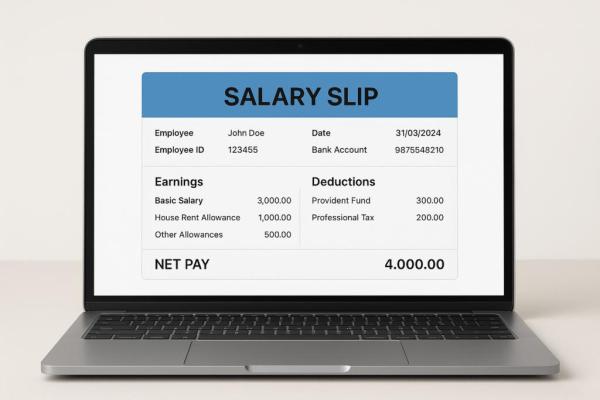
Under the new rules, companies can no longer allocate a large portion of salaries to allowances such as HRA, bonuses, or special perks to inflate in-hand income. If these allowances exceed 50% of total compensation, the excess amount must be shifted into the basic salary component.
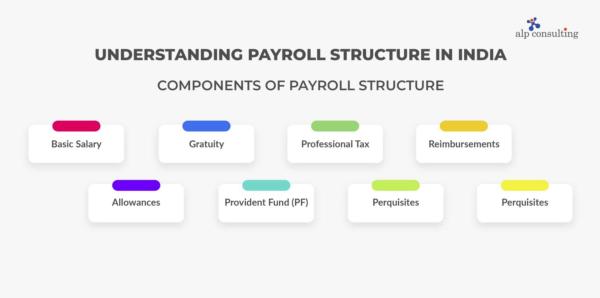
This matters because key benefits like PF and gratuity are calculated based on basic pay. As a result:
- Higher basic salary = Higher PF contributions
- Higher basic salary = Larger gratuity payout over time
In short, employees may see a dip in monthly disposable income, but their retirement savings will grow faster.
Who Benefits the Most from the New Rule?
1. Early-Career Professionals
Young employees and freshers stand to gain the most from this reform. Since they have a longer working horizon:
- Increased PF contributions benefit from compounding over time
- A stronger retirement corpus builds gradually
- Salary structures become simpler and more transparent
For those just starting out, this shift acts like a forced savings mechanism, helping them accumulate wealth without active planning.
2. Employees with Lower Basic Pay Earlier
Professionals whose basic salary previously made up less than 50% of their CTC will see the biggest structural change. With a higher base:
- PF and gratuity contributions increase significantly
- Long-term financial benefits improve
- Retirement planning becomes more robust
Though their in-hand salary may reduce slightly, the long-term payoff can be substantial.
What About Mid-Level Employees?
Mid-career professionals will experience a balanced impact:
- Their salary structure becomes more standardized
- Monthly take-home may decline modestly
- Long-term savings through PF and gratuity improve
For this group, the change is less about immediate gains and more about financial discipline and stability.
Impact on Senior and High-Income Employees
6
Senior professionals and high earners are likely to feel the most immediate impact:
- Their earlier compensation often included higher allowances and variable pay
- Increasing the basic salary reduces flexibility in structuring pay
- Take-home salary may decline more noticeably
However, on the flip side:
- PF contributions rise significantly
- Gratuity benefits increase due to higher base salary
So, while short-term liquidity may shrink, long-term wealth accumulation improves.
Special Option for Certain Employees
Some employees fall under the “excluded employee” category in the Employees' Provident Fund Organisation framework—typically those earning above ₹15,000 monthly and not previously enrolled in PF.
These individuals may have flexibility to:
- Contribute more toward PF for higher future savings
- Or limit contributions to retain higher in-hand salary
This option allows employees to customize their savings strategy based on personal financial goals.
Why Has the Government Introduced This Change?
The primary goal behind this reform is to strengthen long-term financial security for employees. By ensuring a higher basic salary component, the government aims to:
- Boost retirement savings through PF and gratuity
- Reduce dependence on voluntary savings
- Standardize salary structures across sectors
Ultimately, the reform encourages a shift from short-term income focus to long-term financial planning.
Final Takeaway
The new wage rules may initially feel like a setback due to reduced take-home pay. However, they are designed to build a stronger financial foundation for the future.
- Best suited for: Young professionals and those with low basic pay
- Moderate impact on: Mid-level employees
- Short-term impact on: Senior and high-income earners
Understanding these changes can help employees plan smarter—balancing immediate needs with long-term financial goals.
Stay informed on salary reforms, PF updates, and financial planning tips to make the most of India’s evolving employment landscape.