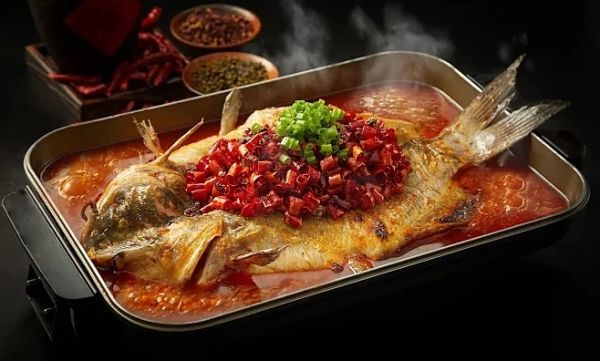
Inside a Chinese restaurant in Seoul’s Myeong-dong district, the scene was lively, filled with the aroma of food and the buzz of conversation. Staff called out orders in Mandarin, customers responded in Korean, and exchanges moved easily between the two languages.
The mix has become increasingly common in Seoul neighborhoods with clusters of Chinese restaurants, according to The Korea Times.
|
The famous shimmered fish from a well-known chinese restaurant. Photo from Google Maps/Bantianyao Kaoyu |
Such scenes were far less common even a few years ago but now reflect a broader shift in how younger Koreans dine and spend their evenings.
Across areas like Myeong-dong, Hongdae, Gangnam, and near Konkuk University, Chinese restaurants are pulling in steady crowds.
Most customers are in their 20s and 30s, a group that has made Chinese food part of their everyday meals, seeing it as a reliable choice they return to often.
For many, it began with a single flavor profile: mala, the spicy, numbing seasoning associated with China’s Sichuan region.
Chinese hot pot chains like Tanghwa Kungfu and Haidilao Huoguo entered the Korean market in the early 2010s, but initially struggled to attract customers.
The tingling heat of Sichuan peppercorns was unfamiliar to many local diners, and early customers were largely limited to Chinese expatriates and international students.
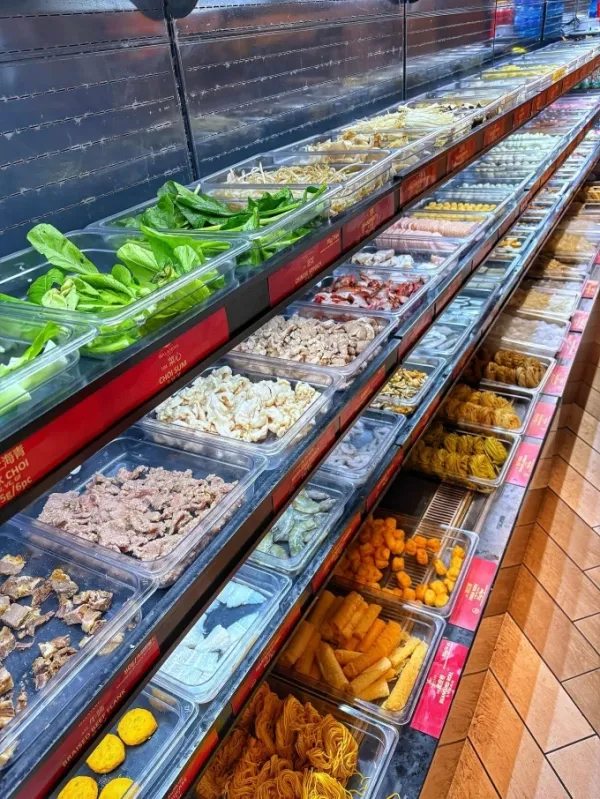
The turning point came in the late 2010s, when certain foods gained traction online. Malatang, a customizable, spice-forward soup, spread quickly through social media. Tanghulu, a traditional candied fruit skewer, also went viral thanks to its visual appeal. Both were bold in flavor and presentation, making them ideal for sharing.
 |
|
A wide selection of toppings for Malatang at a restaurant in Seoul. Photo from Instagram/@clairesfoodietherapy |
Hot pot chains gained further visibility as videos circulated of K-pop idols eating late-night meals together. For fans, those images helped reframe the cuisine as trendy rather than foreign.
Younger consumers, less tied to traditional taste preferences, adopted these foods quickly.
What followed was sustained growth and not a passing fad.
As interest in Chinese food grew, so did the variety of food options. While mala remained a key entry point, menus expanded to include noodles, grilled fish and a wider range of beverages.
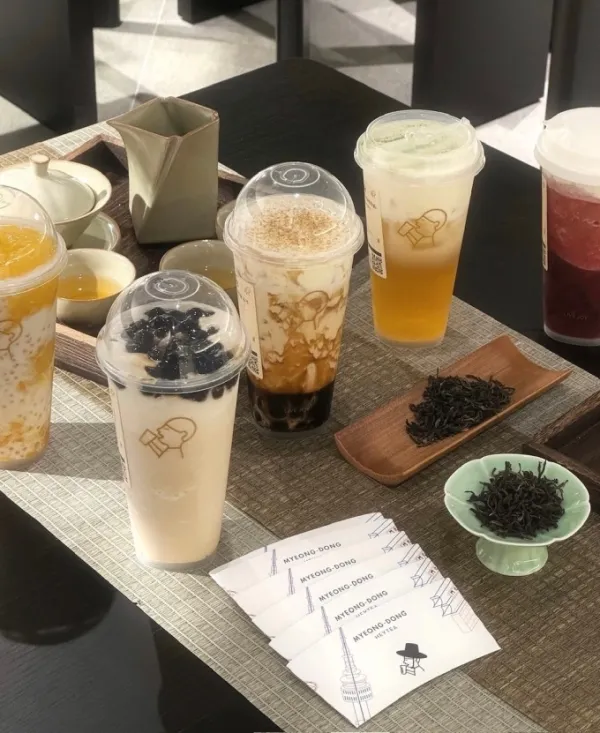
Chinese tea chains have also been growing in South Korea. Shanghai-based Auntie Jenny has opened two branches in Seoul, while Mixue has grown to around 15 outlets. HeyTea now has six stores, Chabaidao operates 21 and premium brand CHAGEE is preparing to enter the market.
Figures from Statistics Korea show the scale of the shift. Chinese restaurants posted average annual sales of 304.3 million won ($206,000) last year, outperforming Japanese, Western and Korean restaurants. They also recorded the highest daily customer traffic at 61.9 people on average and led in delivery orders with 19.7 per day, highlighting strong consumer demand.
Beyond the data, the change reflects evolving personal experiences. In recent years more Koreans in their 20s and 30s have traveled to cities such as Shanghai, Qingdao and Chongqing, where they encountered local cuisine firsthand.
Those experiences appear to have reshaped perceptions. Dishes that once felt unfamiliar are now more easily recognized, and concerns about authenticity or hygiene have become less prominent. Diners are placing greater emphasis on taste, value and overall experience.
That experience is central to the appeal. At Chinese-style fish restaurants, meals develop over time as ingredients are added and broths deepen.
At hot pot chains, diners choose ingredients, mix sauces and control how the meal unfolds.
Beverages follow a similar model, with customers adjusting sweetness levels, toppings and textures.
 |
|
HeyTea, a well-known Shanghai-based chain, is one of several Chinese beverage brands that have expanded into South Korean market. Photo from Instagram/@heytea.kr |
This allows personalization and aligns with how many younger Koreans view dining. They see it as something interactive, social and often shared online rather than something fixed.
At the same time expansion by Chinese brands reflects broader economic pressures. As competition intensifies in China’s domestic market, companies are increasingly looking abroad for growth. Korea, with its dense urban population and responsiveness to trends, has become a key target.
What sets the current moment apart is the alignment of supply and demand. Chinese brands are entering the Korean market as local consumers become more receptive, creating momentum that appears organic rather than forced.
Back in Myeong-dong, the restaurant remained busy as the evening progressed. Conversations continued to go back and forth between Mandarin and Korean, and tables were filled with shared dishes rather than individual plates.
For many, it has simply become part of everyday life, a familiar and communal way to eat.
-
Iran soldiers storm ships in Strait of Hormuz with rifles as Trump blockade falls apart

-
Iran soldiers storm ships in Strait of Hormuz with rifles as Trump blockade falls apart
-
Tragic Discovery: Bodies of Young Couple Found by Betwa River

-
Tragic Discovery: Bodies of Young Couple Found by Betwa River
-
Wild elephant succumbs three days after being rescued from slush near Uduthorehalla reservoir in Karnataka