There is one job that gardeners should be sure to complete before the end of April, experts are urging. The UK's leading garden charity, the Royal Horticultural Society (RHS), handed out advice on which tasks should be completed this month to keep crops, plants, and outdoor spaces thriving year-round.
April is a crucial month, as it marks the peak of spring when many plants and crops, especially fruit, begin to grow. This makes it extremely important to protect them as early as possible to ensure they crop well when ready. And the one thing that gardeners should be looking to protect their fruit from is frost.
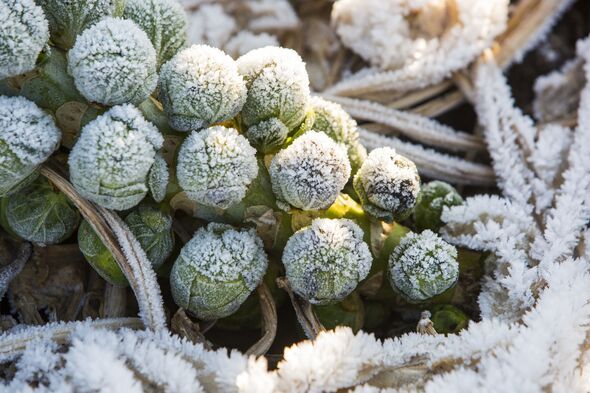
The RHS advice team explained: "In early spring, the new growth and blossom can be easily damaged by frost. Not only are plants in full flower vulnerable, but buds and even fertilised flowers can be damaged, so protection should be maintained for two weeks after flowering if severe frosts threaten.
"Frost occurs when temperatures fall below 0ºC (32ºF). On clear nights warmth is radiated out and lost. Cold air forms on trees and other objects and being heavier than warm air sinks to the ground, displacing warm air. Objects near the ground then become chilled and freeze."
The UK has been experiencing relatively cold conditions, with the Met Office even forecasting a possible "patchy frost" in some parts, meaning that, despite being well into Spring, crops are still at risk.
The experts highlighted that most potential fruit damage can be avoided, and in order to do so, gardeners should plant fruit in a sunny, sheltered position, such as a south-facing wall. If this is not possible, however, there are several methods you can use.
- Soft fruit bushes: use fleece to cover and protect the flowers and developing crop on nights when frost is forecast
Strawberries: protect with cloches or a double layer of fleece, removing or opening both in the day to allow pollinators access
Small fruit trees: cover with fleece overnight to provide frost protection and remove during the day, but this is generally impractical with larger trees
Fruit grown on walls and fences (cordon, espalier or fan-trained): cover with two or three layers of horticultural fleece, hessian or shade netting. This should be rolled up during the day. Use canes to keep the material off the blossoms. Remove the covers as soon as the danger is over
Keep grass around trees mown short in flowering season, as long grass prevents heat from being radiated from the soil
Apply mulches after flowering - bare soil radiates useful amounts of heat, protecting the blossom
According to the RHS, those planting in frost-prone gardens should choose frost-tolerant cultivars:
Apples that are late-flowering cultivars include 'Edward VII', 'Crawley Beauty' and 'Royal Jubilee'
Apples with long flowering seasons or frost-resistant blossom include 'Lane's Prince Albert' and 'Worcester Pearmain'
Suitable pears are 'Williams' Bon Chrétien' and 'Onward'
Frost-resistant plums: 'Pershore', 'Czar' and 'Blue Tit'
Acid cherry 'Morello' is a traditional, hardy choice
Raspberries, blackberries and loganberries flower fairly late and are less likely to be damaged although they can be caught by late frosts
Gooseberries flower after their leaves have formed and are also less likely to be damaged, although they too can be nipped by late frosts
Grow fruit in pots and move to a sheltered position during periods of frost risk
Modern blackcurrants have been bred to flower late and avoid frost: `Ben Lomond', `Ben Tirran'
Cherries, peaches, nectarines and apricots: small growing cultivars are easier to train on walls and in the case of patio fruit are readily covered in fleece or, if potted, brought under protection on cold nights
-
Tim Cook cites three reasons for stepping down as Apple CEO after 15 years

-
In the AI era, Apple's strengths may become its constraints

-
ASML says firm will not be chip industry's bottleneck

-
Marvel's Avengers Doomsday Faces Off Against Dune Part Three: A Cinematic Showdown

-
Asus launches ExpertBook Ultra Copilot+ PC laptop series in India: Price, features and more