Open social media, and your feed will be inundated with influencers or brands labelling an ingredient a “superfood.” And every year, a new ingredient wins this label depending on how trends pan out. It is confusing and overwhelming for consumers and health enthusiasts to keep track of which one ingredient they must incorporate into their diet. By the time people get used to enjoying it, another brand’s post crowning yet another ingredient throws you off your game.
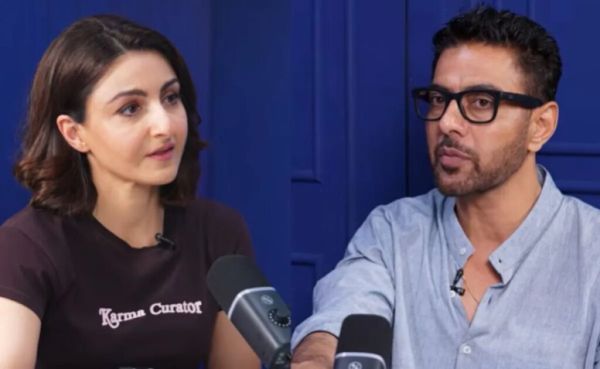
To put this confusion to rest, Soha Ali Khan spoke to Ranveer Brar and Garima Arora, who are not only known for their exquisite culinary skills but also for their immense knowledge of food. The restaurateurs got candid with the actor to address whether there is any ingredient that can actually be called a superfood, along with discussions on food memories, the culinary industry, and more.
Ranveer Brar Talks About Effect-Forward Approach In India
Before diving into the superfoods, Chef Ranveer Brar spoke about the anti-quinoa lobby that says millets are as good as this ingredient and people should not be wasting money on it. “But I want to thank quinoa, because if quinoa had not come, millets would not have become a part of this conversation,” he said.
He talked about smaller millets, like nachini (ragi or finger millet), and the amount of micronutrients they contain. He said that they are exceptionally rich in calcium. “I look at our berries, including jamun (Indian blackberry) and falsa (Indian sherbet berry); they are such strong-coloured fruits that are so high in antioxidants,” he said, explaining.
The restaurateur added that makhana (fox nut) is another strong player that contains a high amount of fibre and keeps you satiated for a longer time. “You have had these ingredients, and as a culture and civilisation, we have been an effect-first approach. Eat it because it is good for you. Even with haldi,” he explained.
Ranveer Brar said that our grandmothers never gave us any reasons why we should eat something; they just used to tell us to consume it. He remembered a time when his grandmother used to dig moringa (drumsticks) roots, scrape them, clean them, and make him drink their juice.
“Our culture has been effect-forward; unfortunately, to sell things you need to cause-first… Ayurveda is effect-first. Our science is engineered differently,” he said, explaining that the West says cause leads to effects. Our science says it is happening, and there will be causes. First, understand that it is happening and make the most of what is happening. We will figure out the causes as well.
He also explained that probably because of this effect-forward philosophy, Indian foods and ingredients didn’t climb the ladder as fast. Referring to a German company attempting to patent the wound-healing properties of haldi (turmeric), he said it was a moment when Indians realised that it was a crucial part of their culinary landscape and that it belonged to them.
Is Superfood A Myth
Explaining the concept, Chef Ranveer Brar said that now the market is flooded with cause-and-effect approaches. They name 10 compounds in an ingredient, which you might not even understand or care about, to build credibility.
“The word superfood. Who created this word? It’s a marketing stunt. Who defines superfoods? A company wanting to sell a product defines superfoods,” he said.
He further noted that, at the end of the day, consumers are at the other end of the chain, fed with information intended to sell a product directly or indirectly.
“Superfood is a word created with the intent to sell a product,” he concluded, adding, “What we need to do is understand the effects it has on our body and find answers based on those effects.”
-
Sanjay Dutt Announces 'Vaastav 2' During 'Khalnayak Returns' Launch Event

-
Pakistan President Asif Ali Zardari To Visit China, Discuss Bilateral Ties
-
Iran FM Abbas Aragchi Meets Pakistan Army Chief Asim Munir In Islamabad

-
‘Rashtriya Surrender Sangh’: Rahul Gandhi's Salvo Over Ram Madhav's Remark Oil Imports, Tariffs

-
Telangana RTC Strike Ends As Govt Accepts Key Demands; Pay Hike, Merger Talks Agreed