Case Western Reserve links gut bacterial sugars to ALS FTD
NewsBytes | April 26, 2026 2:39 AM CST
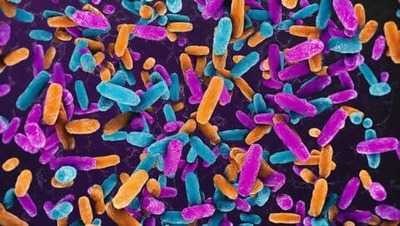
Parabacteroides merdae glycogen causes mouse neuroinflammation
The team discovered that a specific bacterium, Parabacteroides merdae, produces an inflammatory type of glycogen that causes brain inflammation in mice.
Treating these mice with an enzyme called alpha-amylase helped reduce inflammation and even increased their lifespan (though it didn't fix movement issues).
In people with ALS, higher levels of this inflammatory glycogen were also found.
Up next: clinical trials could begin in a year to test if breaking down this glycogen can actually slow these diseases, potentially opening doors for new treatments focused on the gut-brain connection.
READ NEXT
-
Couple rejected by society for marrying widow, question on humanity in Sagar, plea for justice from collector

-
Lareeb Malik leaks Rajab Butt’s private message, sparks fresh controversy

-
If you are also planning to go to a water park in summer, keep these things in mind…

-
Millennial Finds Out His Boomer Parents Are Millionaires After Struggling Through Life

-
Hard Times Come To An End For 4 Chinese Zodiac Signs On April 30, 2026