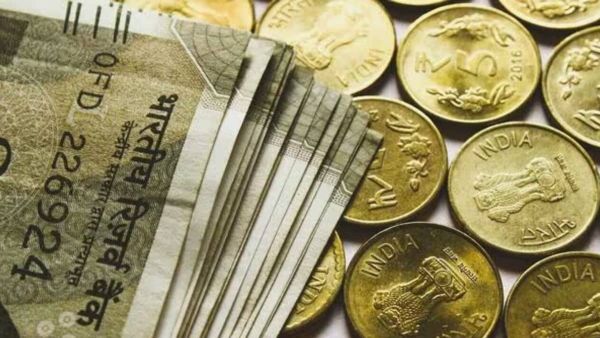
The Indian Rupee hit a historic low on Tuesday, sending a fresh wave of anxiety through the domestic markets.
The currency depreciated 24 paise to touch 94.39 against the U.S. dollar in early trade. This slump comes as India, the world's third-largest oil consumer, grapples with the fallout of the ongoing West Asia conflict.
The $110 Crude Crisis
The primary driver of the fall is the relentless climb of Brent crude. Prices are now hovering near $109 per barrel. Higher oil prices directly expand India’s import bill, putting immense pressure on the rupee. Analysts suggest that if crude breaches the $110 mark, the currency could see further "unpredictable" volatility.
Market participants noted that state-run banks were seen selling dollars throughout the morning. This move is widely interpreted as a Reserve Bank of India (RBI) intervention to prevent a runaway slide. While the RBI’s massive forex reserves provide a buffer, sustained pressure from foreign institutional investors exiting Indian equities is making the defense difficult.
Why It Matters to You
A weaker rupee directly impacts:
- Fuel Prices: Higher import costs often lead to hikes at the petrol pump.
- Inflation: Essential commodities and electronic imports are set to become more expensive.
- Foreign Education: Students heading abroad face higher tuition and living expenses in rupee terms.
As the US Federal Reserve signals a "higher for longer" interest rate stance, the dollar index remains dominant. For the Indian rupee, the path ahead remains tied to the volatile tides of global energy markets.
-
How sitting for long periods affects the body – and how to combat that in the office

-
Keir Starmer humiliated as former Labour MP issues brutal four-word takedown

-
NFR steps up monsoon preparedness to ensure safe train services

-
Meghan Markle torn apart on GB News: '100% race-baiting'

-
Explore Delhi's Best Budget Shopping Markets