Amid Iran war causing a widespread energy shock across the world, the United Arab Emirates said on Tuesday it quit OPEC and OPEC+, dealing a heavy blow to the oil exporting groups and Saudi Arabia.
The departure of the UAE, a long-standing member of OPEC, could disrupt the group’s cohesion and weaken its influence, which has traditionally relied on projecting unity despite internal differences over issues ranging from geopolitics to production quotas.
Read more: UAE walks out of OPEC & OPEC+ in high-stakes break, redraws global oil power lines amid West Asia turmoil
Meanwhile, Gulf producers within OPEC are already facing challenges in exporting crude through the Strait of Hormuz—a critical chokepoint between Iran and Oman that typically handles about a fifth of the world’s oil and liquefied natural gas flows—amid Iranian threats and attacks on vessels.
The UAE had been a longtime member of OPEC, first through its emirate of Abu Dhabi in 1967 and later when the UAE became its own country in 1971.
Why did UAE leave OPEC?
The UAE on Thursday said that the decision to withdraw from the OPEC and OPEC+ oil cartels is in the "national interests", causing fresh shockwaves as energy prices soar over the Middle East war.
"This decision reflects the UAE's long-term strategic and economic vision and evolving energy profile," the UAE statement said.
"During our time in the organisation, we made significant contributions and even greater sacrifices for the benefit of all," it added.
"However, the time has come to focus our efforts on what our national interest dictates."
How did oil prices react to UAE leaving OPEC?
Oil prices rose more than 3% on Tuesday as stalled efforts to end the Iran war kept the Strait of Hormuz largely closed, constraining Middle East supplies, though the UAE's announcement that it would leave OPEC and OPEC+ trimmed gains.
Brent crude futures for June climbed $3.37, or 3.1%, to $111.60 a barrel by 1336 GMT, after gaining 2.8% to close the previous session at their highest since April 7. The contract is up for a seventh straight day.
U.S. West Texas Intermediate (WTI) crude for June rose $3.72, or 3.7%, to $100.09 a barrel, after gaining 2.1% in the previous session. WTI futures rose above the $100 per barrel threshold for the first time since April 13 on Tuesday.
Prices pared some gains after the United Arab Emirates said on Tuesday it had quit OPEC and OPEC+, dealing a heavy blow to the oil exporting groups and their de facto leader, Saudi Arabia.
"The UAE withdrawal marks a significant shift for OPEC. Alongside Saudi Arabia, it is one of the few members with meaningful spare capacity - the mechanism through which the group exerts market influence. While near-term effects may be muted given ongoing disruptions in the Strait of Hormuz, the longer-term implication is a structurally weaker OPEC. Outside the group, the UAE would have both the incentive and the ability to increase production, raising broader questions about the sustainability of Saudi Arabia’s role as the market’s central stabiliser - and pointing to a potentially more volatile oil market as OPEC’s capacity to smooth supply imbalances diminishes," Jorge Leon, analyst at Rystad, told Reuters.
Also Read | OPEC+ hikes oil production quotas, issues warning
Before the war erupted, OPEC+ had been in the process of reviewing the capacity of individual members, with a view to setting next year’s output quotas.
The UAE was also one of the only OPEC+ nations alongside Saudi Arabia with spare production capacity to bring to the market — at least on paper. It held about 660,000 barrels a day idle, according to the IEA, though several analysts and traders believed Abu Dhabi was already near its maximum.
The UAE’s state-run oil giant, Adnoc, has put the country’s oil production capacity far higher than other assessments, at 4.85 million barrels a day, close to a planned 5 million-barrel target. If reached, it would give the country considerable extra supply to bring to market.
"Now, is probably the least damaging time to announce it - oil prices are high, and there are genuine shortages because of Hormuz closure. After Hormuz reopens, there will be elevated demand as countries will be replenishing reserves that were drawn down since February, so prices will stay high. Without the UAE, OPEC will be much weaker, other major producers, Iran and Iraq, did not maintain any substantial spare capacity. It was mostly done by UAE and Saudi Arabia," Sergey Vakulenko, Carnegie Russia Eurasia Center, former Gazprom Neft executive, told Reuters.
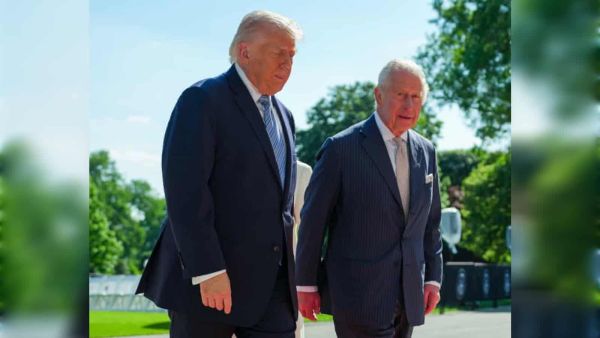
But the UAE exit from OPEC represents a big win for U.S. President Donald Trump, who has accused the organisation of "ripping off the rest of the world" by inflating oil prices.
Trump has also linked U.S. military support for the Gulf with oil prices, saying that while the U.S. defends OPEC members they "exploit this by imposing high oil prices".
The move came after the UAE, a regional business hub and one of Washington's most important allies, criticised fellow Arab states for not doing enough to protect it from numerous Iranian attacks during the war.
The departure of the UAE, a long-standing member of OPEC, could disrupt the group’s cohesion and weaken its influence, which has traditionally relied on projecting unity despite internal differences over issues ranging from geopolitics to production quotas.
Read more: UAE walks out of OPEC & OPEC+ in high-stakes break, redraws global oil power lines amid West Asia turmoil
Meanwhile, Gulf producers within OPEC are already facing challenges in exporting crude through the Strait of Hormuz—a critical chokepoint between Iran and Oman that typically handles about a fifth of the world’s oil and liquefied natural gas flows—amid Iranian threats and attacks on vessels.
The UAE had been a longtime member of OPEC, first through its emirate of Abu Dhabi in 1967 and later when the UAE became its own country in 1971.
Why did UAE leave OPEC?
The UAE on Thursday said that the decision to withdraw from the OPEC and OPEC+ oil cartels is in the "national interests", causing fresh shockwaves as energy prices soar over the Middle East war."This decision reflects the UAE's long-term strategic and economic vision and evolving energy profile," the UAE statement said.
"During our time in the organisation, we made significant contributions and even greater sacrifices for the benefit of all," it added.
"However, the time has come to focus our efforts on what our national interest dictates."
How did oil prices react to UAE leaving OPEC?
Oil prices rose more than 3% on Tuesday as stalled efforts to end the Iran war kept the Strait of Hormuz largely closed, constraining Middle East supplies, though the UAE's announcement that it would leave OPEC and OPEC+ trimmed gains.Brent crude futures for June climbed $3.37, or 3.1%, to $111.60 a barrel by 1336 GMT, after gaining 2.8% to close the previous session at their highest since April 7. The contract is up for a seventh straight day.
U.S. West Texas Intermediate (WTI) crude for June rose $3.72, or 3.7%, to $100.09 a barrel, after gaining 2.1% in the previous session. WTI futures rose above the $100 per barrel threshold for the first time since April 13 on Tuesday.
Prices pared some gains after the United Arab Emirates said on Tuesday it had quit OPEC and OPEC+, dealing a heavy blow to the oil exporting groups and their de facto leader, Saudi Arabia.
How will it impact global oil prices?
In the immediate future the impact of the UAE’s departure will likely be limited, as war between the US and Iran throttles exports from the Persian Gulf — forcing the UAE, Saudi Arabia, Iraq and others to slash production rather than increase it. Oil futures are trading near $111 a barrel in London, reported Bloomberg."The UAE withdrawal marks a significant shift for OPEC. Alongside Saudi Arabia, it is one of the few members with meaningful spare capacity - the mechanism through which the group exerts market influence. While near-term effects may be muted given ongoing disruptions in the Strait of Hormuz, the longer-term implication is a structurally weaker OPEC. Outside the group, the UAE would have both the incentive and the ability to increase production, raising broader questions about the sustainability of Saudi Arabia’s role as the market’s central stabiliser - and pointing to a potentially more volatile oil market as OPEC’s capacity to smooth supply imbalances diminishes," Jorge Leon, analyst at Rystad, told Reuters.
Also Read | OPEC+ hikes oil production quotas, issues warning
Before the war erupted, OPEC+ had been in the process of reviewing the capacity of individual members, with a view to setting next year’s output quotas.
The UAE was also one of the only OPEC+ nations alongside Saudi Arabia with spare production capacity to bring to the market — at least on paper. It held about 660,000 barrels a day idle, according to the IEA, though several analysts and traders believed Abu Dhabi was already near its maximum.
The UAE’s state-run oil giant, Adnoc, has put the country’s oil production capacity far higher than other assessments, at 4.85 million barrels a day, close to a planned 5 million-barrel target. If reached, it would give the country considerable extra supply to bring to market.
"Now, is probably the least damaging time to announce it - oil prices are high, and there are genuine shortages because of Hormuz closure. After Hormuz reopens, there will be elevated demand as countries will be replenishing reserves that were drawn down since February, so prices will stay high. Without the UAE, OPEC will be much weaker, other major producers, Iran and Iraq, did not maintain any substantial spare capacity. It was mostly done by UAE and Saudi Arabia," Sergey Vakulenko, Carnegie Russia Eurasia Center, former Gazprom Neft executive, told Reuters.
Win for US?
But the UAE exit from OPEC represents a big win for U.S. President Donald Trump, who has accused the organisation of "ripping off the rest of the world" by inflating oil prices.
Trump has also linked U.S. military support for the Gulf with oil prices, saying that while the U.S. defends OPEC members they "exploit this by imposing high oil prices".
The move came after the UAE, a regional business hub and one of Washington's most important allies, criticised fellow Arab states for not doing enough to protect it from numerous Iranian attacks during the war.