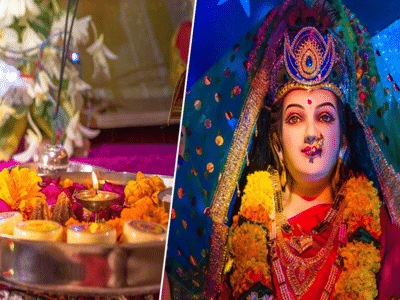
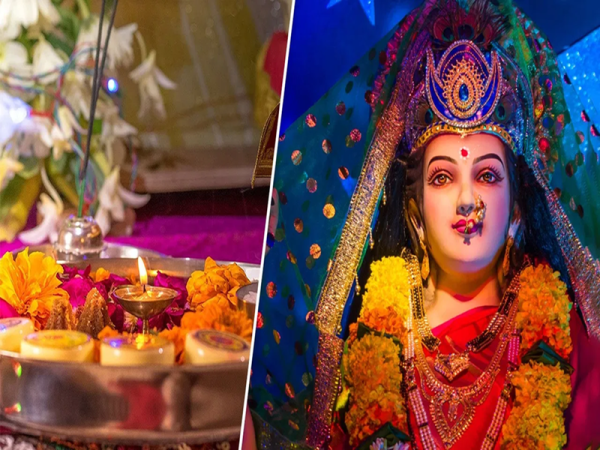
How to Worship Goddess Durga: In Hinduism, Goddess Durga is revered as the deity of power, courage, and protection. Daily worship of Goddess Durga is believed to grant liberation from all troubles and usher in happiness, peace, and prosperity in life. The scriptures state that the entire cosmos derives its energy solely from Goddess Durga; it is this energy that sustains the movement of planets, stars, galaxies, the wind, and nature itself. Everything that transpires in the world today is driven by the power of Goddess Durga. According to religious texts, a lack of proper knowledge often leads many people to commit errors during Durga Puja, thereby preventing them from reaping the full spiritual benefits of the worship. Here, learn the proper rituals and procedures for worshipping Goddess Durga.

**The Significance of Durga Puja**
According to religious beliefs, worshipping Goddess Durga liberates the devotee from fear, negativity, and mental stress. Devotees firmly believe that worship performed with a sincere heart boosts self-confidence and grants the inner strength to face life's challenges. According to priests, Goddess Durga symbolizes the "Navashakti" (the nine forms of divine power), and her adoration invites happiness, prosperity, good fortune, and peace into the home and family. Many devotees attest that regularly reciting the *Durga Saptashati* not only enhances mental concentration but also increases the likelihood of achieving success in one's endeavors.
**The Correct Method for Durga Puja**
Begin the day by taking a bath, wearing clean clothes, and thoroughly cleaning the home temple or designated worship area. For the puja, spread a red cloth over a *Chowki* (a low wooden stool), install an idol or image of Goddess Durga upon it, and chant the mantras dedicated to the Mother Goddess. Next, sprinkle *Gangajal* (holy water from the Ganges) in all directions around the altar. Following this, perform the *Kalash Sthapana* (installation of the sacred pot), placing water, mango leaves, and a coconut inside it. Then, offer various items associated with worship—such as *Roli* (vermilion paste), *Akshat* (unbroken rice grains), red flowers, *Sindoor* (vermilion powder), and fruits—to Goddess Durga. Additionally, offer items symbolizing marital bliss (*Suhag*) to the Mother Goddess. Furthermore, reciting the *Durga Chalisa* or the *Durga Saptashati* is considered particularly meritorious. Finally, light a *Diya* (oil lamp) and incense sticks to formally commence the worship rituals; conclude the ceremony by performing the *Aarti* (ritual lamp ceremony) and distributing *Prasad* (sacred food offerings). Afterward, join your entire family in chanting slogans of victory and praise (*Jai-jaikars*) to the Mother Goddess. *Kanya Pujan* (worship of young girls) holds special significance in the worship of Goddess Durga.
**In Which Direction Should the Worship Be Performed?**
According to religious experts, facing the East or North direction while performing Durga Puja is considered most auspicious. This facilitates the flow of positive energy and enhances the spiritual rewards of the worship.
**Key Mantras for Worshipping Goddess Durga**
Om Aim Hreem Kleem Chamundayai Vichche
Om Dum Durgayai Namah
**When to Worship and What to Keep in Mind?**
While performing the worship, keep your mind calm and focused. Avoid any form of haste and offer your prayers with deep reverence. It is essential to pay special attention to cleanliness and *sattvikta* (purity/wholesomeness). Although the worship of Goddess Durga is primarily observed during the festival of Navaratri, performing the rituals on Fridays, as well as on the *Ashtami* (eighth) and *Navami* (ninth) lunar days, is also considered highly auspicious.
PC Social Media
-
Jamia Millia Islamia Vice-Chancellor Addresses Controversial RSS Event
-
Everything you need to know after 'Jewish men stabbed' in Golders Green

-
Christian Pulisic and RCB Stars Unite in Unique Sports Crossover

-
ixigo Launches Native Travel Apps on ChatGPT; Brings Conversational Travel Planning Across Flights, Trains, Buses and Hotels

-
Paintal Takes Sly Dig On Casting Process: 'No Instagram Followers, So I'm Not An Actor'