For decades, the Indian kitchen followed a linear logic, one primary fuel, one dominant way of cooking, and a set of tools built around it. Change, when it came, was usually about replacement. New would push out old. That logic no longer holds.
Across households today, a new format is emerging, not defined by substitution, but by co-existence. LPG stoves continue to anchor the kitchen, but they are now increasingly complemented by induction cooktops that add flexibility, speed, and reliability to everyday cooking. The modern Indian kitchen is no longer singular. It is parallel.
At Stovekraft Limited, this shift is visible in the growing adoption of induction cooktops across markets, particularly models such as the Pigeon Prime 1800W, Rapido Premium, and Acer Plus, which are seeing strong traction beyond metro cities.
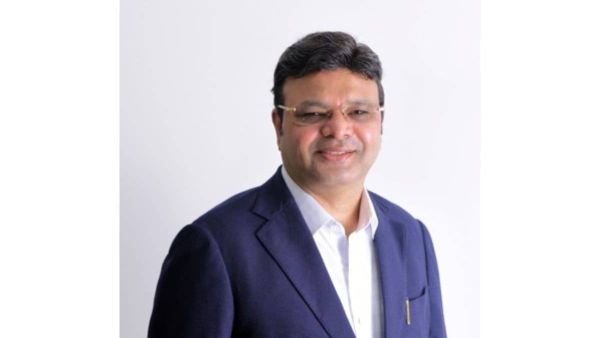
As Mr. Rajendra Gandhi, Managing Director of Stovekraft, explains, “At Stovekraft, we see the key drivers are a mix of affordability and functionality. Consumers today are looking for products that can handle Indian cooking styles, high heat, longer usage cycles, and durability, and our product innovations have been aligned to these needs.
Another important factor is practicality. In many non-metro markets, induction is increasingly being adopted as a dependable alternative during LPG shortages or as an additional cooking appliance in multi-member households. What has changed is that consumers no longer see induction as an urban or premium product, it is now seen as a reliable, everyday solution.”
This isn’t about upgrading kitchens, it’s about de-risking them.
In many households, especially in Tier 2 and Tier 3 markets, cooking cannot afford disruption. Induction cooktops are increasingly being used not as substitutes, but as parallel systems, stepping in during LPG shortages, supporting multiple cooking needs at the same time, and offering a dependable alternative when required.
This shift is being accelerated by access.
E-commerce has played a critical role in expanding the reach of induction cooktops beyond metros, especially in markets where physical retail depth is still evolving. In fact, during recent demand spikes, the company has witnessed up to a fourfold increase in weekly online sales of induction cooktops, underlining the growing role of digital channels in driving both discovery and conversion.
The result is a clear behavioural shift: Consumers are no longer asking, “What should I replace?”
They are asking, “What can I add to make this easier?”
This distinction is subtle, but powerful.
It also reflects in where the growth is coming from. Non-metro markets today contribute approximately 70% of overall induction cooktop sales for the company, with entry-level products driving widespread adoption and consistent double-digit growth outpacing metros.
The implication is clear: the Indian kitchen is no longer evolving through replacement cycles, but through layered adoption.
In this new reality, innovation is not about creating one perfect solution. It is about enabling multiple solutions to work together, because that is how India is choosing to cook today.
And that is where the real shift lies. Not in replacing the old, but in expanding what the kitchen can do.
-
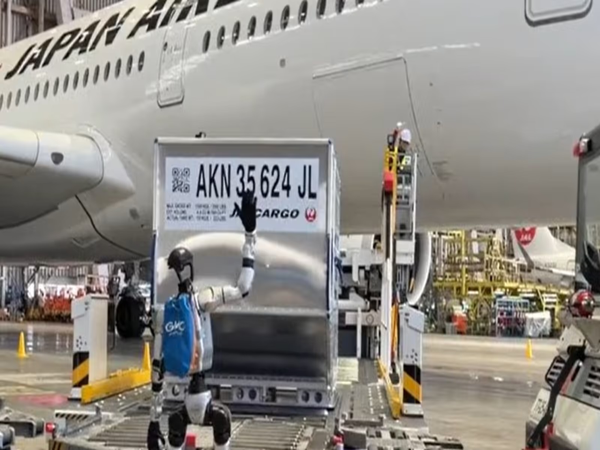
Robots: No longer humans—now robots will carry your heavy luggage at the airport! A unique experiment is launching in Japan..
-
Prepaid Plans: Why opt for expensive recharges when these top plans from Jio, Airtel, and BSNL are available for less than ₹200?
-
Convertible AC: What is a Convertible AC? What are the advantages compared to a standard AC? Get the full details here.
-
CAPF Exam 2026: Discrepancies in Several Candidates' Admit Cards; Entry Denied If Barcode Is Missing..

-
UPSC CSE Exam: Preliminary Examination to be held on May 24; Focused Study and Proper Time Management Are Crucial..