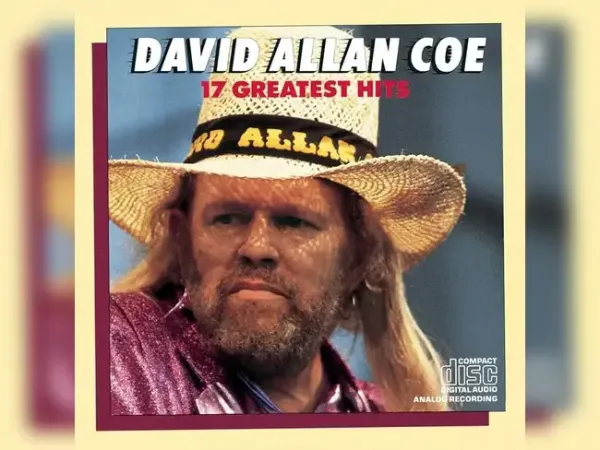
For decades, David Allan Coe cultivated the image of a defiant outsider, a rhinestone-clad outlaw who blurred the lines between myth and reality. Yet away from the stage lights and notoriety, Coe’s personal life was defined by marriages, children, and complicated family ties that evolved over time.
On April 29, ‘The Mysterious Rhinestone Cowboy’ died at 86, as reported by The Music Universe. The news also drew focus to the family he is survived by, many of whom built lives in music beyond his public persona.
Coe was married multiple times across his life. In his later years, he found stability with his wife Kimberly Hastings Coe, who became closely involved in managing aspects of his career and day-to-day affairs.
Several of Coe’s children followed him into creative paths, particularly music, though they largely avoided the controversies that surrounded their father’s public image, according to Country Thang Daily.
Tyler Mahan Coe, born November 9, 1984, performed in his father’s band as a teenager. He later became widely known for the acclaimed country history podcast Cocaine & Rhinestones, offering deeply researched narratives about the genre, including candid reflections on his father’s legacy.
Tanya Coe (also known as Tanya Montana Coe), raised primarily by her mother in Nashville, pursued music on her own terms. A graduate of Middle Tennessee State University, she briefly worked in the corporate world before returning to songwriting and recording, releasing her debut album Silver Bullet. She also became a small business owner in East Nashville.
Shelli Coe grew up immersed in country music culture in Austin and appeared as a child on her father’s Family Album project. She toured as a backup singer for Coe before stepping away to raise a family, later returning to music in the mid-2000s.
Shyanne Coe and Carla Coe remained largely out of the public eye, with little personal information shared publicly over the years.
As adults, his children built independent lives and careers, many of them connected to music but deliberately separate from the outlaw mythology that defined their father.
Tyler Coe, in particular, spoke openly in interviews and through his podcast about separating fact from fiction in his father’s stories, offering a more grounded historical perspective on a man who often preferred legend over documentation.
On April 29, ‘The Mysterious Rhinestone Cowboy’ died at 86, as reported by The Music Universe. The news also drew focus to the family he is survived by, many of whom built lives in music beyond his public persona.
Coe was married multiple times across his life. In his later years, he found stability with his wife Kimberly Hastings Coe, who became closely involved in managing aspects of his career and day-to-day affairs.
Children who inherited the music
Several of Coe’s children followed him into creative paths, particularly music, though they largely avoided the controversies that surrounded their father’s public image, according to Country Thang Daily.
Tyler Mahan Coe, born November 9, 1984, performed in his father’s band as a teenager. He later became widely known for the acclaimed country history podcast Cocaine & Rhinestones, offering deeply researched narratives about the genre, including candid reflections on his father’s legacy.
Tanya Coe (also known as Tanya Montana Coe), raised primarily by her mother in Nashville, pursued music on her own terms. A graduate of Middle Tennessee State University, she briefly worked in the corporate world before returning to songwriting and recording, releasing her debut album Silver Bullet. She also became a small business owner in East Nashville.
Shelli Coe grew up immersed in country music culture in Austin and appeared as a child on her father’s Family Album project. She toured as a backup singer for Coe before stepping away to raise a family, later returning to music in the mid-2000s.
Shyanne Coe and Carla Coe remained largely out of the public eye, with little personal information shared publicly over the years.
As adults, his children built independent lives and careers, many of them connected to music but deliberately separate from the outlaw mythology that defined their father.
Tyler Coe, in particular, spoke openly in interviews and through his podcast about separating fact from fiction in his father’s stories, offering a more grounded historical perspective on a man who often preferred legend over documentation.