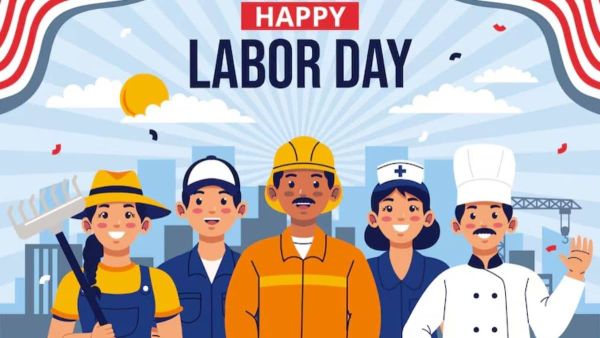
May 1 is celebrated as Labour Day across the globe. Also known as May Day, the day honours the contributions of workers and highlights their struggle. The history of the global event dates back to the 19th century, the Haymarket Affair. Over the years, the day has received global prominence.
What is the history of Labour Day?
The origin of Labour Day in India
In India, Labour Day was first celebrated in 1923 in Chennai (then Madras), organised by the Labour Kisan Party of Hindustan. The event introduced the red flag as a symbol of workers’ movements in the country. Today, the day is observed as a public holiday in many states, recognising the contributions of workers across sectors, from construction and manufacturing to services and agriculture.
International Labour Day is not just about remembrance; it is also a reminder of the progress made and the challenges that remain. Issues like fair wages, safe working environments, gender equality in workplaces, and job security continue to be relevant in modern economies. In an era of gig work and rapid technological change, the nature of labour itself is evolving, making the day even more significant.
-
Major Action Against Encroachment on Railway Land in Prayagraj

-
IPL 2026: CSK Triumphs Over MI, Points Table Update

-
Controversial Figure Pete Hegseth: A Potential 2028 Presidential Candidate?

-
Shooting Incident Near Chris Brown's Residence in Los Angeles

-
The elite of Britain's construction industry celebrated at Express backed awards