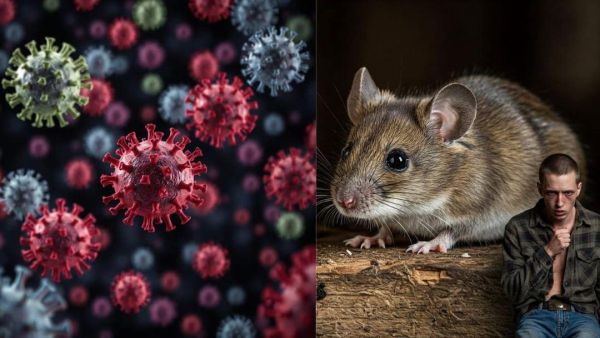
A luxury cruise ship turned into a nightmare as a rare hantavirus outbreak claimed three lives in the Atlantic Ocean. Passengers on the MV Hondius faced fear and isolation, with the vessel docked off West Africa. Health experts warn of flu-like symptoms turning deadly fast. This shocking incident raises alarms about rodent exposure on board. What caused this rare outbreak on a crowded ship? Read on for chilling details.
Outbreak Details
Three people died from a suspected hantavirus infection on the MV Hondius cruise ship. The World Health Organization (WHO) confirmed one case, with five more under investigation. The ship operator kept passengers onboard, barring them from leaving amid the crisis. One victim, a male passenger, showed fever, headache, abdominal pain, and diarrhea before dying on arrival at St Helena, a British territory. A woman was evacuated and died in Johannesburg.
How Hantavirus Spreads
Hantavirus spreads mainly through contact with infected rodents' urine, droppings, or saliva—not from person to person. Experts suspect rodents on the ship or from shore visits contaminated the environment. Outbreaks are rare in closed spaces like cruise ships, making this case unusual due to shared areas and elderly passengers. WHO noted no cause for public alarm, as risk remains low.
Symptoms And Treatment
Early signs mimic the flu: fever, muscle aches, fatigue, headaches, chills, dizziness, nausea, vomiting, diarrhea, and abdominal pain. It worsens quickly to cough, shortness of breath, chest tightness, and lung fluid buildup, leading to respiratory failure. Over one-third of respiratory cases can be fatal, per the Centers for Disease Control and Prevention. No specific cure exists; treatment is supportive care in ICU with early hospitalization.
Why It's Concerning
This outbreak puzzles experts due to the ship's confined setting and rapid illness spread. Vulnerable groups like seniors face higher risks. WHO is coordinating evacuations, risk checks, and support with countries and the operator. As of May 2026, one patient remains in intensive care. Travelers should avoid rodent areas to prevent such scares.
-
Taiwan's Lai returns from Eswatini trip amid China objection

-
India describes attack on Fujairah 'unacceptable'

-
Salman Khan And Kareena Kapoor All Set To Reunite For Raj & DK's Superhero Film?

-
DesertBoard bets on a homegrown future for construction

-
LPG New Rules: Your LPG connection may be cut off! Otherwise, do this immediately..