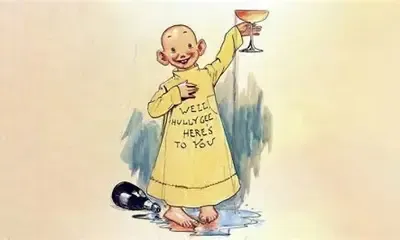
On the occasion of Cartoon Day, the story of The Yellow Kid stands out as a defining moment in both visual storytelling and the evolution of modern journalism. Emerging in the late 19th century, the character not only entertained readers but also played a role in shaping newspaper culture across the United States.
Created by Richard F. Outcault in 1895, The Yellow Kid is widely regarded as one of the first popular comic strip characters. The bald child, often seen wearing an oversized yellow nightshirt, appeared in humorous illustrations depicting life in New York’s crowded urban neighbourhoods. What set the character apart was the innovative use of text printed directly on his clothing, a precursor to modern speech bubbles used in comics today.
The character gained prominence in the pages of the New York World, a newspaper owned by Joseph Pulitzer. Its growing popularity soon attracted the attention of rival publisher William Randolph Hearst, who brought Outcault and the character to his own publication, the New York Journal. This rivalry between two major newspapers intensified competition for readership during that era.
The battle for circulation between Pulitzer and Hearst is often linked to the rise of yellow journalism. The term is believed to have originated from the widespread popularity of The Yellow Kid and the sensational style of reporting adopted by competing newspapers. Stories were often exaggerated or dramatized to capture public attention, marking a significant shift in media practices.
Beyond its connection to journalism, The Yellow Kid played a crucial role in the development of comic art as a recognised form of mass entertainment. The character’s expressive visuals, social commentary, and innovative storytelling techniques laid the foundation for future comic strips and graphic narratives.
More than a century later, The Yellow Kid remains a symbol of how cartoons can influence not just entertainment, but also media culture and public discourse. As Cartoon Day highlights the impact of illustrated storytelling, the legacy of this early comic figure continues to be remembered as a turning point in both comics and journalism.
-
Bihar NDA Government Prepares for Major Cabinet Expansion on May 7

-
Final Marks Released for BPSSC Range Officer of Forest Recruitment 2025

-
Indian illustrator Anand RK, journalist Suparna Sharma win Pulitzer Prize for illustrated reporting

-
BJP Appoints J.P. Nadda as Central Observer for Assam Legislative Party Leadership

-
Rare Oriental Pied Hornbill Spotted in Arunachal Pradesh, Signaling Ecological Health