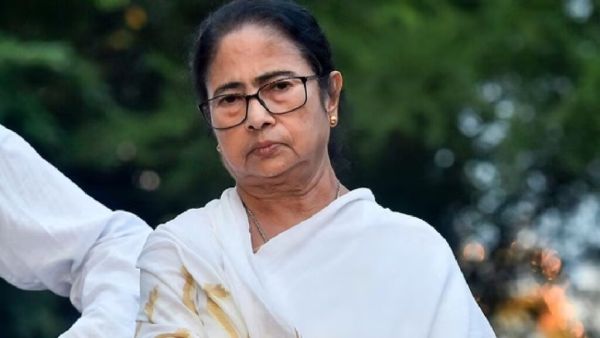
New Delhi. West Bengal Chief Minister Mamata Banerjee is adamant on not resigning despite defeat in the assembly elections. She has said that the question of her resignation does not arise because she has not lost, she has been defeated. She said that I will not go to Lok Bhavan and resign. After this announcement by Mamata Banerjee, discussion has started about how a new government will be formed in Bengal without her resignation. In such a situation, what powers does the Governor have according to the Constitution?
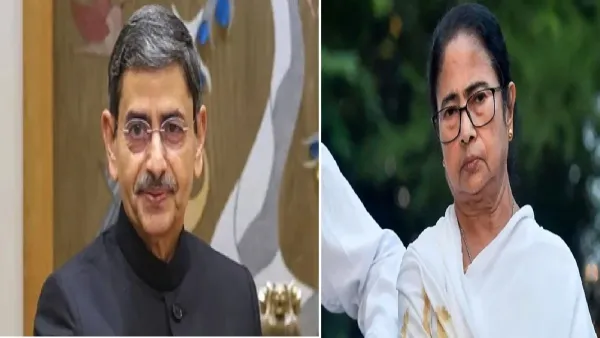
According to the Constitution, if a Chief Minister does not resign after defeat in the elections, then the Governor has the right to dissolve the Assembly. Under Article 164, the Governor appoints the Chief Minister by administering oath and in case of losing majority, this article gives the Governor the right to dismiss the CM. However, the tenure of the current Bengal Assembly is ending on May 7, so after that the Assembly will automatically be dissolved. In this way, according to constitutional experts, Mamata Banerjee’s non-resignation from the post of Chief Minister is not going to have any impact on the formation of the new government because the Governor can appoint a new Chief Minister in the new Assembly.
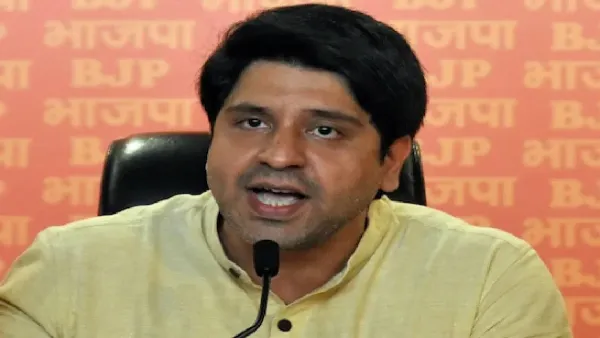
While reacting to Mamata Banerjee’s refusal to resign from the post of Chief Minister, BJP spokesperson Shehzad Poonawala said, Mamata Banerjee is now playing the most disgusting ‘victim card’. She is not only rejecting the public’s decision, but is also saying that she will not resign. Even if he does not resign, constitutionally the Assembly will be dissolved on May 8, but this shows that he is against the Constitution. She is trying to replicate the Capitol Hill model of America, she has done this before also.