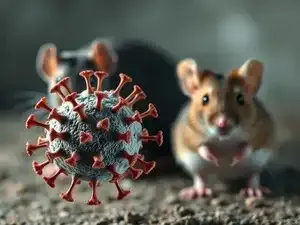
What is deadly hantavirus, and how does its human to human transmission occurs? The World Health Organization reported suspected human to human hantavirus transmission on a cruise ship with confirmed and suspected cases. The outbreak involved passengers from several countries and led to deaths and medical evacuations. Authorities say the risk to the wider public remains low. Hantavirus usually spreads through infected rodents, but rare human transmission has occurred in past outbreaks. Testing is ongoing to identify the strain and trace contacts. Governments are coordinating evacuations and monitoring passengers who may have been exposed during the voyage.
What is deadly hantavirus, and how does its human to human transmission occurs?
Deadly hantavirus is a virus that can cause severe illness in humans. It mainly spreads from infected rodents, but rare human to human transmission has been reported in some outbreaks. According to the World Health Organization, close contact such as sharing rooms, caring for sick patients, or exposure to body fluids may lead to limited transmission. This type of spread is uncommon and usually linked to specific strains found in South America.
What is deadly hantavirus?
Deadly hantavirus is a group of viruses carried by rodents. People can get infected when they breathe in particles from rodent urine, droppings, or saliva. The infection can lead to serious lung disease or kidney problems depending on the strain. Symptoms often begin with fever, body pain, and fatigue before progressing to breathing problems in severe cases.
How does deadly hantavirus human to human transmission occurs?
Human to human transmission occurs in rare situations when a person has close contact with an infected patient. This may include sharing confined spaces, caring for a sick partner, or exposure to respiratory secretions. Scientists believe this type of transmission has mainly occurred with the Andes strain, which has caused limited outbreaks among families and close contacts.
WHO suspects rare transmission on cruise ship
The World Health Organization said it suspects rare human to human hantavirus transmission among close contacts on a cruise ship. Seven confirmed or suspected cases were reported. The agency said this type of transmission is uncommon and the risk to the public remains low. A Dutch couple and a German national died. A British passenger was evacuated and is in intensive care in South Africa. Two crew members require urgent medical care. Another suspected case has mild fever. The ship operator Oceanwide Expeditions confirmed the situation and said medical support is being arranged.
Medical evacuations and ship location
The Dutch foreign ministry is preparing medical evacuations for three people to the Netherlands. The ship remains moored near Cape Verde. Authorities there have not allowed passengers to disembark because of the outbreak. Nearly 150 people remain onboard. The WHO is working with the ship operator and countries involved. Officials say they are trying to evacuate sick passengers and help others return home safely.
How hantavirus usually spreads?
Hantavirus infections usually happen through contact with infected rodents. People can become infected through exposure to rodent urine, droppings, or saliva. The WHO said there were no rats on board the ship. This raised suspicion that human to human spread may have occurred among very close contacts. Shared cabins and close interactions are being studied.
Evidence from past outbreaks
Limited human transmission has been observed before with the Andes strain in South America, including Argentina. The WHO believes this strain could be involved in the cruise outbreak. Testing is underway to confirm the strain. The cruise started in Ushuaia in southern Argentina in March. Some passengers may have been infected before boarding. Others may have been exposed during bird watching trips on islands where rodents live.
Evacuation plans and international response
WHO officials said the focus is evacuating sick passengers. The ship may continue to the Canary Islands after evacuations. Spain said the stop may not be needed if evacuations happen in Cape Verde and no new cases appear. Officials reassured passengers and said they understand fears and are working to ensure safe return.
Timeline of the hantavirus outbreak
The first death occurred on April 11 when a Dutch passenger died onboard. His body remained on the ship until April 24. It was then disembarked on St Helena. His wife traveled with the body and later became ill.
She deteriorated during a flight to Johannesburg and died on April 26. Contact tracing began for passengers on that flight. A British passenger in a Johannesburg hospital tested positive for hantavirus. The Netherlands confirmed infection in the Dutch woman who died.
Hantavirus testing and virus sequencing
South Africa’s National Institute for Communicable Diseases is sequencing the virus. Results were expected soon. Scientists want to confirm the strain and understand how transmission occurred. Argentina has the most cases in the Americas region. The WHO said the lethality rate there is about 32 percent, which is higher than average for other strains.
Cruise details and passengers
The ship carried mostly British, American, and Spanish passengers. The voyage visited the Antarctic Peninsula, South Georgia, and Tristan da Cunha. The trip was marketed as an Antarctic expedition. Ticket prices ranged from 14,000 to 22,000 euros. Authorities continue monitoring passengers and crew. Investigations remain ongoing.
Public risk assessment
The WHO said the overall risk to the public remains low. Hantavirus infections are rare and usually linked to rodent exposure. Human transmission is uncommon and occurs only in limited situations among close contacts. Health agencies continue monitoring the situation and coordinating international response.
FAQs
Q1. What are the early symptoms of hantavirus infection?
Early symptoms often include fever, muscle pain, headache, chills, nausea, and fatigue. In serious cases, breathing problems can develop quickly, which may require urgent hospital care and monitoring.
Q2. How can people reduce the risk of hantavirus infection?
People can reduce risk by avoiding contact with rodents and their droppings, keeping homes clean, sealing entry points, and using protective gear when cleaning areas where rodents may live or nest.
What is deadly hantavirus, and how does its human to human transmission occurs?
Deadly hantavirus is a virus that can cause severe illness in humans. It mainly spreads from infected rodents, but rare human to human transmission has been reported in some outbreaks. According to the World Health Organization, close contact such as sharing rooms, caring for sick patients, or exposure to body fluids may lead to limited transmission. This type of spread is uncommon and usually linked to specific strains found in South America.What is deadly hantavirus?
Deadly hantavirus is a group of viruses carried by rodents. People can get infected when they breathe in particles from rodent urine, droppings, or saliva. The infection can lead to serious lung disease or kidney problems depending on the strain. Symptoms often begin with fever, body pain, and fatigue before progressing to breathing problems in severe cases.How does deadly hantavirus human to human transmission occurs?
Human to human transmission occurs in rare situations when a person has close contact with an infected patient. This may include sharing confined spaces, caring for a sick partner, or exposure to respiratory secretions. Scientists believe this type of transmission has mainly occurred with the Andes strain, which has caused limited outbreaks among families and close contacts.WHO suspects rare transmission on cruise ship
The World Health Organization said it suspects rare human to human hantavirus transmission among close contacts on a cruise ship. Seven confirmed or suspected cases were reported. The agency said this type of transmission is uncommon and the risk to the public remains low. A Dutch couple and a German national died. A British passenger was evacuated and is in intensive care in South Africa. Two crew members require urgent medical care. Another suspected case has mild fever. The ship operator Oceanwide Expeditions confirmed the situation and said medical support is being arranged.Medical evacuations and ship location
The Dutch foreign ministry is preparing medical evacuations for three people to the Netherlands. The ship remains moored near Cape Verde. Authorities there have not allowed passengers to disembark because of the outbreak. Nearly 150 people remain onboard. The WHO is working with the ship operator and countries involved. Officials say they are trying to evacuate sick passengers and help others return home safely.How hantavirus usually spreads?
Hantavirus infections usually happen through contact with infected rodents. People can become infected through exposure to rodent urine, droppings, or saliva. The WHO said there were no rats on board the ship. This raised suspicion that human to human spread may have occurred among very close contacts. Shared cabins and close interactions are being studied.Evidence from past outbreaks
Limited human transmission has been observed before with the Andes strain in South America, including Argentina. The WHO believes this strain could be involved in the cruise outbreak. Testing is underway to confirm the strain. The cruise started in Ushuaia in southern Argentina in March. Some passengers may have been infected before boarding. Others may have been exposed during bird watching trips on islands where rodents live.Evacuation plans and international response
WHO officials said the focus is evacuating sick passengers. The ship may continue to the Canary Islands after evacuations. Spain said the stop may not be needed if evacuations happen in Cape Verde and no new cases appear. Officials reassured passengers and said they understand fears and are working to ensure safe return.Timeline of the hantavirus outbreak
The first death occurred on April 11 when a Dutch passenger died onboard. His body remained on the ship until April 24. It was then disembarked on St Helena. His wife traveled with the body and later became ill.She deteriorated during a flight to Johannesburg and died on April 26. Contact tracing began for passengers on that flight. A British passenger in a Johannesburg hospital tested positive for hantavirus. The Netherlands confirmed infection in the Dutch woman who died.
Hantavirus testing and virus sequencing
South Africa’s National Institute for Communicable Diseases is sequencing the virus. Results were expected soon. Scientists want to confirm the strain and understand how transmission occurred. Argentina has the most cases in the Americas region. The WHO said the lethality rate there is about 32 percent, which is higher than average for other strains.Cruise details and passengers
The ship carried mostly British, American, and Spanish passengers. The voyage visited the Antarctic Peninsula, South Georgia, and Tristan da Cunha. The trip was marketed as an Antarctic expedition. Ticket prices ranged from 14,000 to 22,000 euros. Authorities continue monitoring passengers and crew. Investigations remain ongoing.Public risk assessment
The WHO said the overall risk to the public remains low. Hantavirus infections are rare and usually linked to rodent exposure. Human transmission is uncommon and occurs only in limited situations among close contacts. Health agencies continue monitoring the situation and coordinating international response.FAQs
Q1. What are the early symptoms of hantavirus infection?
Early symptoms often include fever, muscle pain, headache, chills, nausea, and fatigue. In serious cases, breathing problems can develop quickly, which may require urgent hospital care and monitoring.
Q2. How can people reduce the risk of hantavirus infection?
People can reduce risk by avoiding contact with rodents and their droppings, keeping homes clean, sealing entry points, and using protective gear when cleaning areas where rodents may live or nest.